







Climbing the Mountain
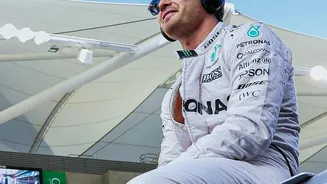
For Nico Rosberg, the 2016 season was the culmination of a 25-year-long dream. In his own words, he had 'climbed his mountain' and was standing on the peak. After two consecutive and punishing championship losses to his Mercedes teammate Lewis Hamilton
in 2014 and 2015, the 2016 title was everything. He had finally matched the achievement of his father, 1982 world champion Keke Rosberg, and in doing so, felt a sense of absolute completion. The primary reason for his retirement was this simple, powerful fact: he had done what he set out to do. There were no more mountains he felt the need to conquer. The mission was accomplished.
The Toll of a 'Silver War'
The battle against Hamilton was notoriously brutal. Once childhood friends in karting, their relationship at Mercedes devolved into a bitter and intense rivalry, often dubbed the 'Silver War'. The 2016 season was particularly draining, with on-track clashes and immense psychological pressure. Rosberg later admitted the season was 'so damn tough'. He described pushing 'like crazy in every area' after the disappointments of previous years, which fueled his motivation to unprecedented levels. This all-out war took a significant toll, not just on him, but on his family. He acknowledged it was a 'whole family effort of sacrifice', and the thought of another year of such intensity was unappealing.
A Promise to His Family
Beyond the mental exhaustion, a key factor was Rosberg's desire to be a husband and father first. He has spoken at length about the sacrifices his wife, Vivian, made during that championship year, and the impact his singular focus had on their life. Having achieved his ultimate professional goal, he wanted to turn the next corner and dedicate himself to his family. In his retirement announcement, he made it clear his next step was to be a dad and husband, suggesting the all-consuming nature of Formula 1 was no longer compatible with the life he wanted to lead. The decision was a reordering of priorities, placing family firmly ahead of his racing career.
The Fear of Fading
Retiring at the top also meant he would never have to experience a decline. In later interviews, Rosberg revealed a fear of his performance levels eventually dropping. '[I was] afraid that at some point I wouldn't be good enough and that no team would want me anymore', he admitted. 'I wanted to decide for myself'. By leaving as the reigning world champion at age 31, he ensured his legacy would be that of a driver who went out at his absolute peak. It was a brave and calculated decision to control his own narrative, rather than risk becoming a driver who stayed on too long. He essentially chose to make his final F1 act a 'mic drop' moment.
Giving Up an Identity
Walking away was not without its challenges. Rosberg has since described how intertwined his identity was with racing. 'Everything in my life was racing: my mechanics, my engineers, my team-mates, even my social environment', he explained. To switch all of that to zero was a shock to his system. He had to confront the 'addiction to recognition and success' and figure out what other passions he had outside of the F1 bubble. This journey of self discovery led him to become a sustainability entrepreneur and a television pundit, allowing him to stay connected to the sport but on his own terms.