







Understanding the Standard-Bearer: FSSAI
The Food Safety and Standards Authority of India (FSSAI) is the country's primary regulatory body for ensuring the food you eat is safe and wholesome. It sets science-based standards for everything from manufacturing and packaging to distribution and sale.
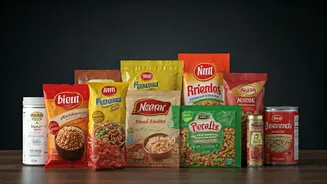
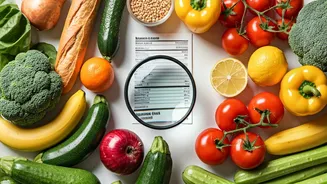
When you see an FSSAI license number displayed at a restaurant or on a packaged product, it signifies that the business is registered and legally required to comply with these safety guidelines. These rules cover hygiene, permitted ingredients, and correct labelling. While challenges in enforcement remain, particularly in unregulated markets, the FSSAI framework is the backbone of food safety in India.
Dining Out: An Informed Diner's Checklist
Your senses are your first line of defense when eating out. A restaurant's popularity is often a good sign; a busy establishment with high turnover means food is likely to be fresh. Look for general cleanliness in the dining area, restrooms, and on the tableware. Staff should appear hygienic, wearing clean attire. When it comes to the food itself, prioritise dishes that are cooked to order and served piping hot, as high temperatures kill most harmful bacteria. Be cautious with foods served at room temperature or lukewarm, such as those in buffets, as they can be breeding grounds for pathogens like Salmonella and Staphylococcus aureus. Foods like freshly fried samosas, tandoori items cooked at high heat, and dosas made on a hot griddle are often safer bets.
The Digital Age: Safety with Online Orders
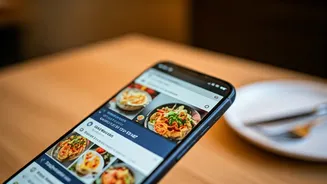
The convenience of food delivery apps has changed how we eat, but it also introduces new variables. Major platforms have implemented hygiene ratings and safety badges for their restaurant partners, which can help guide your choices. Opt for 'contactless delivery' and pre-pay online to minimise interaction. Once your order arrives, it's wise to discard the outer packaging immediately and transfer the food to your own clean utensils. FSSAI has guidelines for online platforms, stipulating that food should have a significant portion of its shelf life remaining upon delivery and must be labelled correctly. For freshly prepared meals, check that the packaging is secure and tamper-proof. Trustworthy platforms have also invested in training their delivery partners on safe food handling.
Street Food Smarts: Enjoying India’s Culinary Heart
Street food is an integral part of Indian culture, and enjoying it safely is possible with a few precautions. The most important rule is to choose vendors with a crowd. High customer turnover indicates that the food is fresh and not sitting out for long periods. Watch the preparation; food cooked right in front of you at high temperatures is generally safer. Items that are deep-fried, steamed, or grilled to order are excellent choices. Be wary of raw chutneys, salads washed in tap water, or drinks with ice from an unknown source, as these are common sources of contamination. Many foodborne illnesses are linked to contaminated water, so sticking to boiled or hot beverages like chai is a good practice.
Your Role as a Conscious Consumer
As a consumer, you have the right to safe food, the right to be informed, and the right to seek redressal. If you encounter substandard or unsafe food, you can file a complaint through the FSSAI's 'Food Safety Connect' portal or other channels. These mechanisms empower consumers to become active participants in upholding standards. By providing feedback, reporting issues, and choosing establishments that prioritise hygiene, you contribute to a safer food ecosystem for everyone. This collective responsibility—shared between regulatory bodies, food businesses, and consumers—is what ultimately elevates the overall quality and safety of food in the country.