


Kedarkantha Trek, Uttarakhand
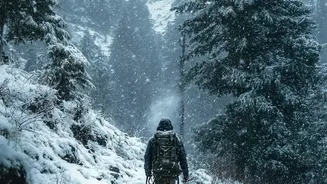
Often hailed as the 'Queen of Winter Treks', Kedarkantha is arguably the most popular choice for beginners looking to experience a Himalayan snow trek. Located within the Govind Pashu Vihar National Park, the trail is well-defined and climbs gradually,
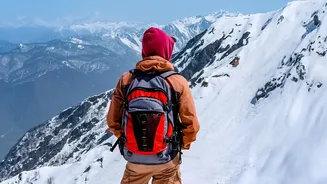
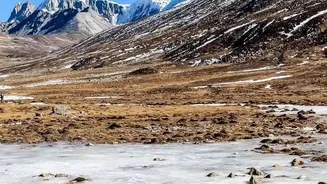
making it accessible for first-timers with a reasonable level of fitness. The trek usually takes five to six days, starting from the village of Sankri. Highlights include walking through dense pine and oak forests, camping beside the frozen Juda-ka-Talab lake, and a rewarding summit climb. The push to the 12,500-foot summit starts early, aiming for a sunrise panorama that includes famous peaks like Swargarohini and Bandarpoonch. The best window for a classic snow experience is from December to March, with January often seeing the heaviest snowfall.
Brahmatal Trek, Uttarakhand
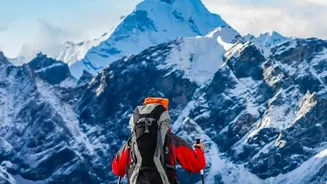
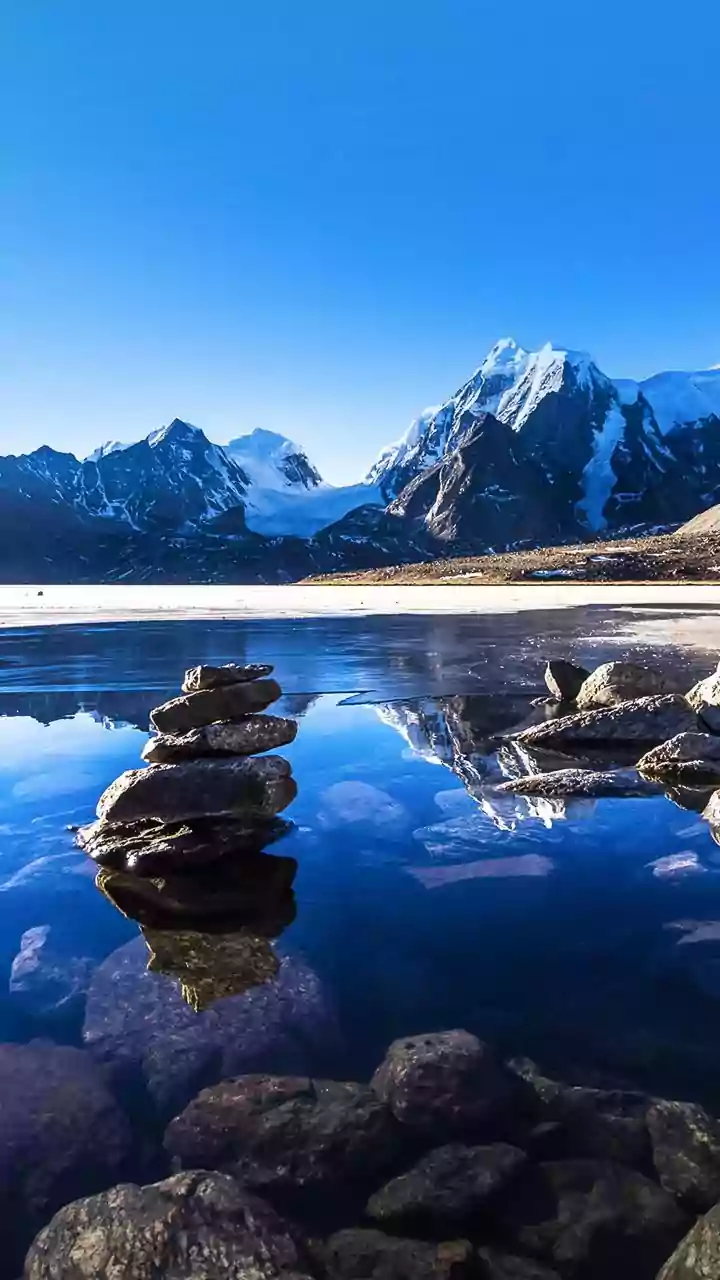
For those seeking stunning high-altitude lakes and dramatic ridge-top views, Brahmatal is a fantastic option. Considered a moderate trek, it's a great step-up from easier trails or a solid choice for fit beginners. The six-day journey begins from the base village of Lohajung and ascends through forests of rhododendron and oak. Its main attractions are the two frozen alpine lakes, Bekaltal and Brahmatal itself. The trail leads to the Brahmatal Top at around 12,250 feet, which offers breathtaking, close-up views of the formidable Mt. Trishul and Nanda Ghunti. The ideal time for this trek is between mid-December and February, when the lakes are frozen solid and the landscape is a pristine white.
Dayara Bugyal Trek, Uttarakhand
If your idea of a perfect winter scene involves vast, rolling meadows buried under soft snow, the Dayara Bugyal trek is for you. Known as one of India's most beautiful high-altitude meadows, Dayara is particularly suited for beginners and families due to its gentle gradients. Typically a four or five-day trek starting from villages like Raithal or Barsu, it’s a shorter commitment than many other winter routes. The trail winds through forests before opening up to the expansive 'bugyal' (meadow). At its highest point, around 12,000 feet, the trek provides sweeping views of the Bandarpoonch and Srikanth peaks. The prime snow season runs from December through March, offering a picture-perfect white canvas for trekkers to explore.
Chadar Trek, Ladakh
The Chadar Trek is not just a trek; it's a legendary expedition. This unique and challenging adventure involves walking on the frozen Zanskar River in Ladakh. 'Chadar' means blanket, referring to the sheet of ice that forms over the river, creating a winter highway for locals. This is a difficult trek, not because of altitude gain, but due to the extreme cold, with temperatures dropping to -25°C or lower at night. The trek typically runs for about nine days in January and February, the only months when the ice is stable enough. It requires mandatory acclimatization in Leh for several days and a medical check-up before you're allowed on the ice. Trekkers walk through a dramatic gorge with steep rock walls and past stunning frozen waterfalls, making it one of the most unforgettable trekking experiences in the world. Note that the trek's operation is entirely dependent on weather and ice conditions, which are confirmed by the local administration each season.
Preparing for Your Winter Trek
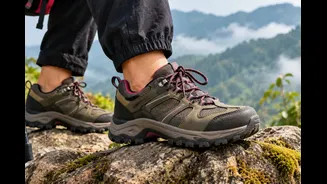
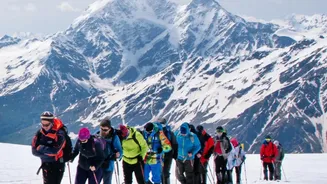
A successful winter trek is all about preparation. Physical fitness is crucial; start a cardio routine involving jogging or brisk walking at least a month in advance to build stamina. Layering your clothing is key to staying warm and dry. Your gear should include thermal base layers, a fleece or insulated mid-layer, and a waterproof, windproof outer jacket. Good quality waterproof trekking shoes with solid grip are non-negotiable. Other essentials include woolen socks, gloves, a warm hat, UV-protection sunglasses, and a headlamp. Always trek with a certified and experienced operator who prioritizes safety, provides proper equipment like microspikes for walking on ice, and has protocols for emergencies. Lastly, respect the mountains by practicing responsible tourism and leaving no trace.