






The Reign of Fried Snacks
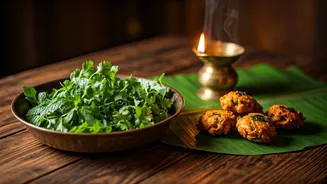
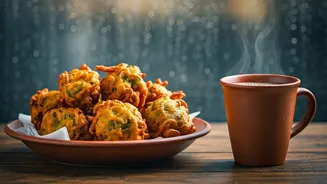
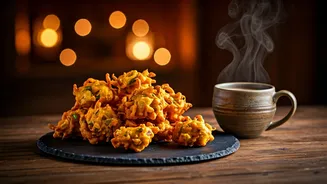
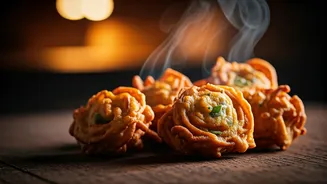
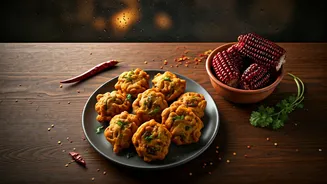
In the United States, a rainy day might call for a movie and a bowl of popcorn. In India, it demands pakoras. These deep-fried fritters are the undisputed king of monsoon snacking. Imagine morsels of onion, potato, spinach, or paneer (a firm Indian cheese)
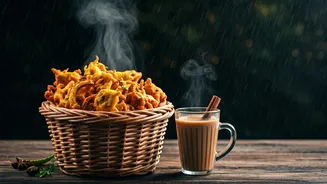
dipped in a spiced chickpea flour batter and fried to a crisp, golden-brown perfection. They’re often served piping hot with mint-coriander chutney or a sweet-and-sour tamarind sauce. The appeal is primal: the sizzle of the oil, the satisfying crunch, and the blast of warmth are a perfect counterpoint to the cool, damp air. This isn't just a preference; it’s a near-Pavlovian response. The first clap of thunder has millions of people thinking about one thing: where to get the best pakoras and samosas (their pyramid-shaped, potato-stuffed cousins).
Masala Chai: The Ultimate Comfort Brew
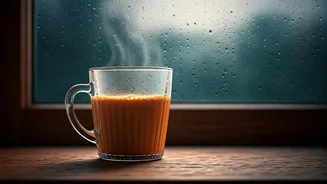
If pakoras are the king, masala chai is the queen of the monsoon court. While this spiced tea is a year-round staple, its significance deepens when the skies turn gray. A robust black tea is simmered with milk, sugar, and a warming blend of spices known as 'garam masala,' which often includes cardamom, ginger, cloves, and cinnamon. Each household and street vendor has their own secret ratio. Holding a steaming cup of masala chai while watching the rain fall is a national pastime, a ritual of comfort that transcends age and class. The ginger provides a gentle heat that many believe helps ward off colds common during the damp season, making it both a delicious and a practical indulgence.
Bhutta: Street-Side Roasted Corn
Forget boiled or grilled corn on the cob slathered in butter. The Indian monsoon version, known as ‘bhutta,’ is a more rustic and fiery affair. All across the country, street vendors appear with small carts carrying heaps of fresh corn and a portable charcoal grill. They fan the coals until they glow, then roast the cobs directly over the flames until the kernels are tender and lightly charred. The magic happens next: the vendor takes the hot cob, rubs it with a mixture of salt, chili powder, and tangy spices, and then finishes it with a generous squeeze of fresh lime juice. The combination of smoky, sweet, spicy, and sour is an explosion of flavor that is inextricably linked to the sights and sounds of a rainy Indian street.
The Ayurvedic Angle: Why Hot Food Rules
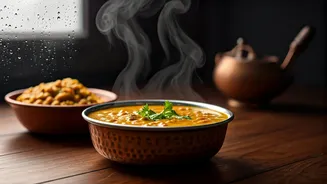
There's an ancient logic underpinning these modern cravings. According to Ayurveda, the traditional Indian system of medicine, the monsoon season can weaken the digestive system (or ‘agni’—digestive fire). To counteract this, it’s recommended to eat foods that are warm, lightly cooked, and easy to digest. This explains the preference for hot soups like lentil dal or tangy rasam, which are both nourishing and comforting. The emphasis on spices like ginger, turmeric, and black pepper in monsoon cooking isn't just for flavor; they are also believed to aid digestion and boost immunity. While the craving for fried pakoras might seem to defy this logic, they are always eaten hot, and the spices in the batter are thought to help balance their heavy nature.
Beyond the Snacks: Seasonal Produce
While fried foods and hot tea get all the attention, the monsoon also brings its own unique harvest. It's the season for gourds of all kinds—bottle gourd, bitter gourd, and snake gourd—which are used in curries and stir-fries. Leafy greens are often avoided due to the higher risk of contamination from the muddy water, but certain vegetables thrive. It's also a peak time for fruits like jamun (java plum), a tart, deep-purple fruit that famously stains your tongue, and pomegranates. These ingredients find their way into daily meals, providing a fresh, seasonal balance to the more indulgent snacks that define the rainy-day experience.