






Jumping rope is celebrated as a fun, affordable, and incredibly effective full-body workout. It boosts heart health, burns calories efficiently, and improves coordination. But its high-impact nature means it might not be the best choice for every body.
What Makes an Exercise 'High-Impact'?
In fitness terms, 'high-impact' refers to activities where both of your feet leave the ground at the same time. Think of running, plyometric box jumps, and, of course, jumping rope. Each time you land, your body absorbs a force equivalent to several times your body weight. While this impact can be beneficial for strengthening bones, it also places significant stress on your joints, particularly the ankles, knees, hips, and lower back. If your body isn't prepared to handle this repeated stress, or if you have certain underlying conditions, this repetitive impact can lead to strain, pain, or injury.
Who Should Be Cautious About Jumping Rope?
While jumping rope can be a great addition to many fitness routines, certain individuals should approach it with caution or consult a doctor first. This includes people with pre-existing joint conditions like arthritis, as the repetitive impact can aggravate pain and inflammation. Those with a history of injuries in their knees, ankles, or hips should also be careful. Additionally, individuals with osteoporosis may need to discuss the risks and benefits with a healthcare professional, as high impact can increase the risk of stress fractures despite its bone-strengthening potential. Others who might want to start with lower-impact alternatives include those who are significantly overweight, new to exercise, or dealing with pelvic floor issues, as the body may not yet have the muscular support to safely manage the strain of jumping.
Warning Signs Your Body Needs a Break
The most important rule in any fitness journey is to listen to your body. If you experience sharp, shooting, or persistent pain in your joints (not to be confused with general muscle soreness) during or after jumping rope, it's a clear signal to stop. Other red flags include swelling in the knees or ankles, tenderness, or pain that gets worse with activity. Common jump rope-related overuse injuries include shin splints, plantar fasciitis, and patellar tendonitis. Ignoring these signs can turn a minor issue into a chronic problem that sidelines you for much longer.
How to Jump Smarter and Reduce Impact
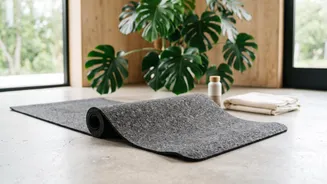
If you are cleared for this activity, you can significantly reduce the strain on your joints by focusing on proper form and technique. First, ensure you're jumping on a suitable surface; a gym floor, a jump rope mat, or even grass is much more forgiving than concrete or asphalt. Wear supportive, cushioned athletic shoes. The key to low_impact jumping is to keep your jumps low—only an inch or two off the ground is needed to clear the rope. Land softly on the balls of your feet with your knees slightly bent to act as natural shock absorbers. Avoid landing flat_footed or on your heels. Keeping your core engaged and your posture upright will also help distribute the impact more effectively.
Excellent Low_Impact Cardio Alternatives
If high_impact training is not right for you, there are plenty of fantastic low_impact alternatives that provide a great cardiovascular workout without the jarring force on your joints. Swimming is a total_body workout that is virtually zero_impact, making it an ideal choice. Cycling, whether on a stationary bike or outdoors, is another excellent way to raise your heart rate while protecting your knees. Using an elliptical machine or a stair climber mimics the motion of running or climbing without the hard landings. Even brisk walking, especially on an incline, can be a highly effective and joint_friendly cardio exercise.