






The Pothole Problem
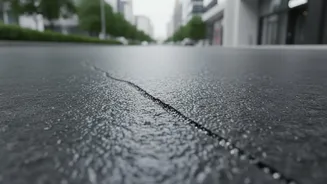
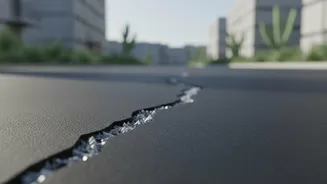
For millions of commuters across India, navigating roads during and after the monsoon is a daily battle. Potholes are more than just an inconvenience; they are a significant safety hazard, causing accidents and damage to vehicles. The economic cost is also
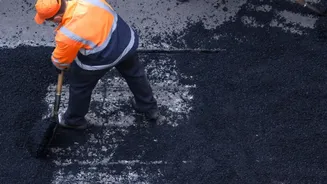
substantial, with governments and municipal corporations spending vast sums on continuous, often temporary, repairs. Traditional repair methods, which involve filling cracks with materials like bitumen or epoxy, are labour-intensive and often fail to withstand the next heavy downpour, creating a frustrating and expensive cycle of damage and repair. The production and maintenance of conventional concrete is also a major contributor to carbon emissions, making the search for a more sustainable and durable solution more urgent than ever.
A Living Concrete Solution
Enter bio-concrete, or self-healing concrete. The concept is revolutionary: creating a smart material that can autonomously repair cracks as they form. This innovation embeds dormant, non-pathogenic bacteria, typically from the robust Bacillus genus, directly into the concrete mix. These hardy microorganisms are chosen for their ability to survive in the highly alkaline environment of concrete and remain viable for years, waiting for the right conditions to activate. The goal is to create infrastructure that doesn't just endure but actively maintains itself, significantly extending the lifespan of roads, bridges, and buildings.
How Bacteria Repair Roads
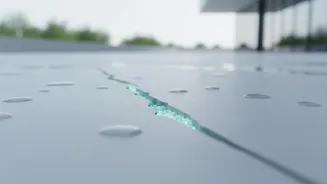
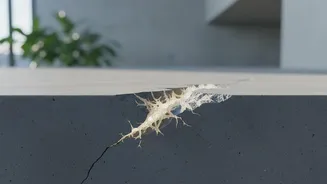
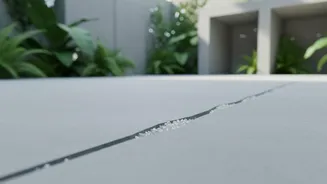
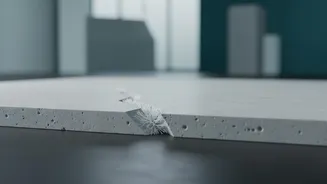
The science behind this self-healing process is a fascinating blend of biology and chemistry. The bacteria are mixed into the concrete along with a nutrient source, such as calcium lactate. They lie dormant in tiny capsules or spores within the hardened material. When a crack forms—due to heavy traffic or temperature changes—and rainwater seeps in, the process begins. The water awakens the bacteria. The microbes then consume the calcium lactate nutrient and, through their metabolic process, produce calcium carbonate—essentially limestone. This limestone precipitate fills the cracks, sealing them from within. The result is an automatic, natural repair that prevents small fissures from growing into dangerous potholes and stops water from corroding the steel reinforcements inside the structure.
From the Lab to Indian Roads
The idea of bacteria-infused cement is not just a laboratory theory; it is actively being researched and tested for Indian conditions. Researchers and institutions are exploring which bacterial strains work best and how to make the technology viable for the country's unique environmental challenges. Studies have been conducted using bacteria like Bacillus subtilis, sourced from national collections in India, to test improvements in concrete strength and healing capabilities. Organizations like the Nuclear Power Corporation of India have also researched bacterial concrete for use in critical infrastructure. While widespread adoption is not yet a reality, these research initiatives and pilot projects are a crucial step towards validating the technology's effectiveness in real-world scenarios, from busy urban roads to critical structures exposed to harsh weather.
The Road Ahead: Hurdles and Hope
Despite its immense potential, several challenges must be overcome before bio-concrete becomes a standard material for road construction in India. The primary hurdle is cost; currently, self-healing concrete is estimated to be 10-30% more expensive than traditional concrete, which could deter budget-sensitive projects. There are also questions about the long-term viability of the bacteria in the harsh conditions of Indian roads, including extreme heat and pollution. Furthermore, the technology requires specialized knowledge for production and application, and industry-wide standards have not yet been established. However, researchers are actively working to reduce costs by finding cheaper nutrients for the bacteria. While the initial investment is higher, proponents argue that it is offset by massive savings in long-term maintenance and repair costs, potentially reducing them by over half.