



The Science of Stickiness
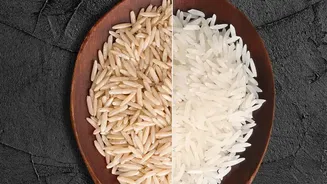
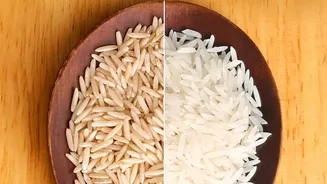
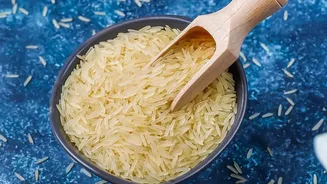
The texture of cooked rice all comes down to its starch composition. Rice contains two main types of starch: amylose and amylopectin. Think of amylose as a straight, simple chain. Rice high in amylose, like long-grain Basmati, cooks up dry and fluffy,
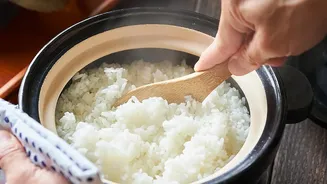
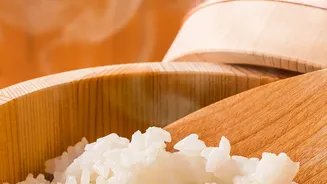
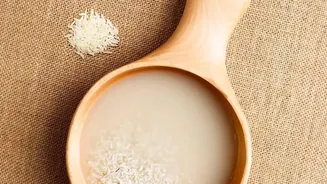
with each grain remaining separate. In contrast, amylopectin is a highly branched, complex molecule. Rice with a higher amylopectin-to-amylose ratio releases more of this sticky starch during cooking, causing the grains to cling together. This results in the soft, moist, and sometimes sticky texture that is prized in many regional cuisines.
Bengal's Beloved Gobindobhog
In West Bengal, the undisputed king of aromatic rice is Gobindobhog. This short-grain rice has a naturally sweet, buttery flavour and a distinct aroma that fills the kitchen. Its name translates to "offering to Govinda," signifying its deep cultural importance in religious ceremonies and festive meals. When cooked, Gobindobhog becomes soft, tender, and slightly sticky. This texture is not a flaw; it's the very reason it's the preferred choice for iconic Bengali dishes. In khichuri, its stickiness helps create a comforting, porridge-like consistency, while in payesh (rice pudding), it yields a luxuriously creamy dessert.
Maharashtra's Mango-Scented Ambemohar
Travel west to Maharashtra, and you'll find Ambemohar, a short-grain rice famous for its unique aroma reminiscent of mango blossoms. This rice is known for cooking quickly and becoming exceptionally soft. While some modern cooking methods like pressure cooking can risk making it too mushy, its natural softness is highly valued. For generations, it has been the go-to grain for comforting meals like Varan Bhaat (dal and rice), where its soft texture melds perfectly with the lentils. It's also used to make soft idlis and is easily digestible, making it a favourite for children and the elderly.
Assam's Aromatic Joha Rice
In the Northeast, particularly Assam, Joha rice is a cherished heirloom grain. This short-grain aromatic rice is prized for its delicate fragrance and soft, slightly sticky texture when cooked. Joha holds significant cultural value and is a staple in Assamese cuisine, featuring prominently in festival foods and daily meals alike. It is the key ingredient for delicious sweet dishes like payas (kheer) and various types of pitha (rice cakes), where its ability to clump together is a distinct advantage. Another Assamese variety, Bora Saul, is a glutinous rice that is even stickier, purpose-grown for sweets and snacks that require a chewy, cohesive consistency.
Embracing Texture by Design
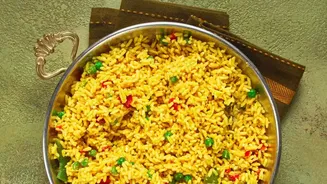
The stickiness or softness of these traditional rice varieties is a feature, not a bug. While long-grain, fluffy rice is ideal for biryanis and pulaos where separate grains are desired, softer rice plays a different but equally important role. Its texture is perfect for dishes that require a creamy consistency, like kheer and khichdi. The slight stickiness helps bind ingredients together in rice cakes and other preparations, and its softness makes for comforting, easily digestible meals. Understanding the intended texture of a rice variety unlocks its true culinary potential and allows for a deeper appreciation of India's incredible agricultural and gastronomic diversity.