

An Ancient Grain's Modern Comeback
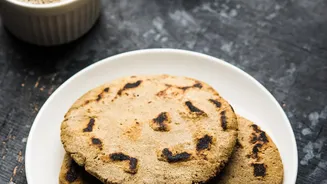
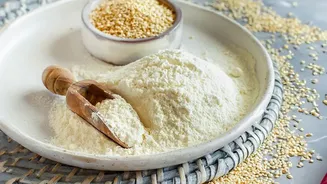
Not long ago, millets like ragi, jowar, and bajra were seen as humble, traditional staples, largely confined to rural kitchens and regional dishes. Today, these powerhouse grains are the star ingredients in gourmet desserts at urban bakeries. This resurgence
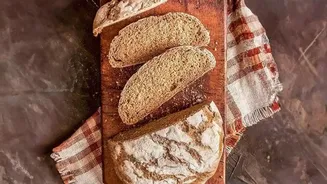
is driven by a perfect storm of factors. A nationwide push for healthier eating habits has consumers actively seeking alternatives to refined wheat flour (maida). Government initiatives, amplified by the UN's declaration of 2023 as the 'International Year of Millets', have significantly boosted awareness around these 'super grains'. As a result, what was once considered rustic is now being celebrated as a nutritious, sustainable, and versatile component of modern cuisine.
Why Millets Make a Better Brownie
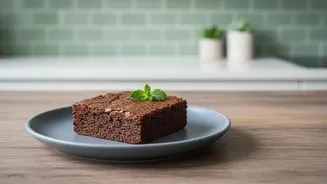
The switch to millet flour is more than just a health-conscious trend; it's about creating a better dessert. Nutritionally, millets are far superior to refined flour. They are naturally gluten-free, making them a godsend for people with gluten sensitivities. They are also packed with fibre, protein, and essential minerals like calcium and magnesium. This high fibre content leads to a lower glycemic index, which means millet-based desserts cause a slower, more balanced rise in blood sugar levels compared to their maida-based counterparts. This makes them a smarter choice for those managing their sugar intake or simply seeking a treat that provides sustained energy without the crash.
But How Do They Taste?
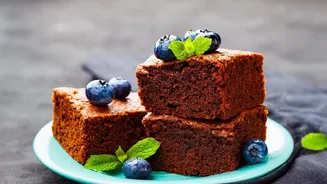
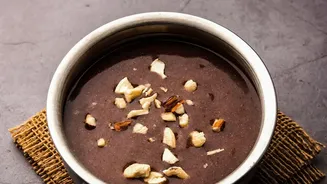
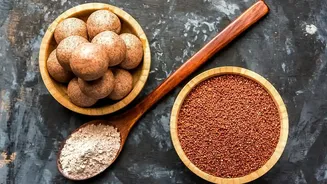
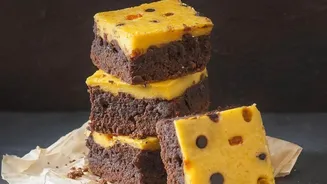
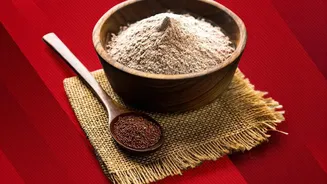
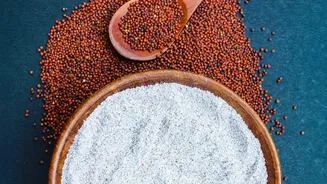
For any dessert, the ultimate test is taste, and this is where millet-based treats truly surprise and delight. Far from being a compromise, millet flours add their own unique character to baked goods. Ragi (finger millet), for example, imparts a deep, chocolatey colour and a rich, earthy flavour that beautifully complements brownies and cakes. Jowar (sorghum) offers a milder, nutty taste that results in a lighter texture, while bajra (pearl millet) brings a bolder, rustic profile perfect for cookies and tarts. Bakers find that these flours can create a denser, fudgier texture in brownies, which many customers prefer. The consensus is clear: when crafted correctly, millet desserts are not just healthy, but incredibly delicious.
The Baker's New Playground
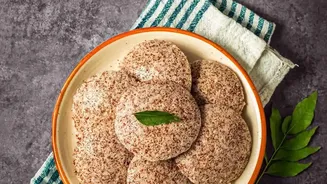
The move to millets has unlocked a new wave of creativity in Indian bakeries. Chefs are experimenting with various millet flours, often blending them to achieve the perfect balance of flavour and texture. The innovation extends well beyond brownies. You can now find millet-based cupcakes, cookies, cheesecakes, and even modern takes on traditional sweets like Goan bebinca and Kerala's ela ada. Working with gluten-free millet flour presents its own set of challenges, as it behaves differently from wheat flour, but bakers are embracing these as creative opportunities. They are pairing millets with natural sweeteners like jaggery and dates, further enhancing the health credentials of their creations and proving that indulgence doesn't have to be a guilty pleasure.