






Why Elevation Enhances Fragrance
The logic is simple yet effective. Placing a fragrant plant or a scented diffuser on the floor means the aroma has to travel a long way up to reach your nose. By using a raised stand, you bring the source of the scent closer to your level, making it more
noticeable without being overpowering. This technique is particularly effective in spaces where you sit, like next to a sofa or an armchair. Elevation also improves air circulation around the scent source, allowing the fragrance to disperse more evenly throughout the room rather than being trapped at ground level. Furthermore, in smaller homes or apartments where floor space is a premium, going vertical is a smart design choice. It keeps your floors clear, creating a sense of spaciousness while still allowing you to enjoy the benefits of home fragrance.
Choosing the Perfect Stand
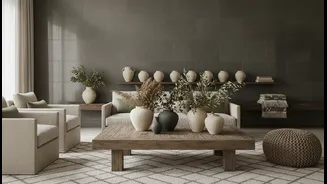
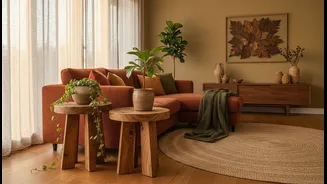
The right stand does more than just lift your plant; it becomes a piece of decor itself. Consider a variety of styles to match your home's aesthetic. Tiered or multi-level stands are excellent for creating a lush, green corner with several smaller plants, allowing you to layer scents. Single pedestal stands make a statement, turning a beautiful plant like a gardenia or jasmine into a living work of art. Materials matter, too. Black metal stands offer a clean, modern look, while wooden stands in oak or walnut add warmth and an organic feel. For a more relaxed, bohemian vibe, consider stands made from rattan or woven materials. Don't be afraid to think beyond traditional plant stands; small stools, stacked books, or floating shelves can also serve the same purpose with a creative twist.
Ideal Plants for Elevated Scent
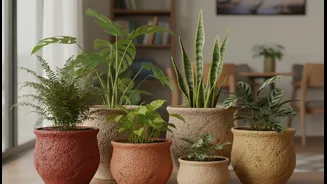
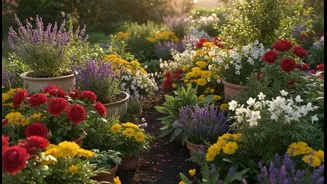
Not all fragrant plants are suited for this treatment, but many thrive in pots and deliver a beautiful aroma. For Indian homes, classics like jasmine (Jasminum sambac) and tuberose (Rajnigandha) are excellent choices, releasing their intoxicating scents, especially in the evening. Gardenias, with their creamy white flowers and strong, sweet perfume, are another wonderful option. For a more subtle, herbaceous fragrance, consider potted herbs like lavender, mint, or rosemary. Many of these herbs release their scent when their leaves are brushed against, so placing them on a stand in a high-traffic area can create delightful bursts of fragrance as you walk by. Dwarf citrus trees, such as a Meyer lemon, can also be grown in pots and offer the dual pleasure of fragrant blossoms and fruit.
Beyond Plants: Scented Objects
The principle of elevation isn't limited to plants. Scented candles, reed diffusers, and potpourri bowls also benefit from being raised. Grouping candles of different heights on a decorative tray placed on a stand can create a stunning visual and olfactory centrepiece. A reed diffuser works much more effectively when placed at waist or chest height, allowing air currents to gently carry its fragrance through the space. Placing it on a stand on a console table in an entryway creates a welcoming first impression for guests. You can create a dedicated 'scent station' on a tiered stand, combining a small plant, a candle, and a bowl of potpourri for a layered and complex fragrance experience.
Strategic Placement for Maximum Impact
Where you place your elevated scent source is key. Entryways are a prime location to welcome people into your home with a pleasant aroma. Placing a stand next to a comfortable reading chair or beside your bed ensures you can enjoy the fragrance in your personal relaxation zones. However, be mindful of airflow. While a gentle current helps disperse scent, placing a diffuser or candle directly in the path of a strong draft from a fan or open window will cause the fragrance to dissipate too quickly. The goal is to find a spot with enough air movement to circulate the scent, but not so much that it gets lost. Experimenting with different locations will help you understand how fragrance travels in your unique space.