


The Universe in Hues of Red
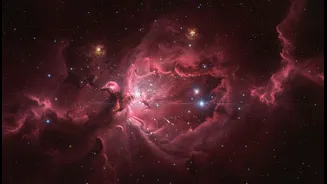
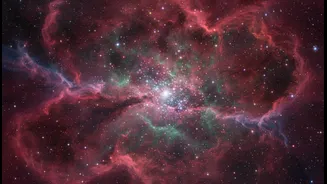
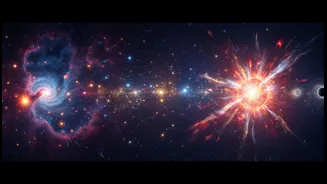
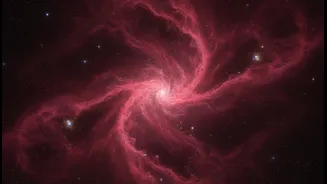
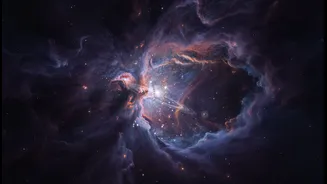
When we gaze at breathtaking space photos, we often see vast clouds glowing with a distinct reddish or pinkish hue. These are not random bursts of colour but enormous interstellar clouds of gas and dust known as nebulae. Specifically, many of these are emission
nebulae, which are famous for being stellar nurseries where new stars are born. The dominant crimson colour comes from a specific scientific process. These clouds are composed largely of hydrogen. When energetic ultraviolet light from nearby young, hot stars hits this hydrogen, it ionises the gas, causing it to glow. The most common wavelength of light emitted by this excited hydrogen is a deep red known as Hydrogen-alpha (H-alpha). This is why famous structures like the Carina Nebula and parts of the Eagle Nebula appear drenched in these warm, inviting tones, transforming them from abstract gas clouds into something that looks almost alive.
From Data to Dazzling Displays
A common question is whether these colours are 'real'. The answer is both yes and no. Telescopes like the Hubble and the James Webb Space Telescope (JWST) often capture light in wavelengths that the human eye cannot see, such as infrared. The raw data they collect comes down to Earth as black-and-white images taken through different filters. Scientists and image processors then assign visible colours to these different wavelengths of invisible light in a process often called 'false colour' or 'representative colour'. But this isn't an arbitrary artistic choice. The colours are carefully mapped to correspond to specific data points. Typically, the longest wavelengths of light are assigned red, and the shortest are assigned blue, with other colours in between. This technique allows us to see details and structures that would otherwise be completely invisible. It translates the unseen language of the universe into a visual dialect we can understand, revealing the hidden chemistry and physics of these distant objects.
Painting the ‘Cosmic Cliffs’
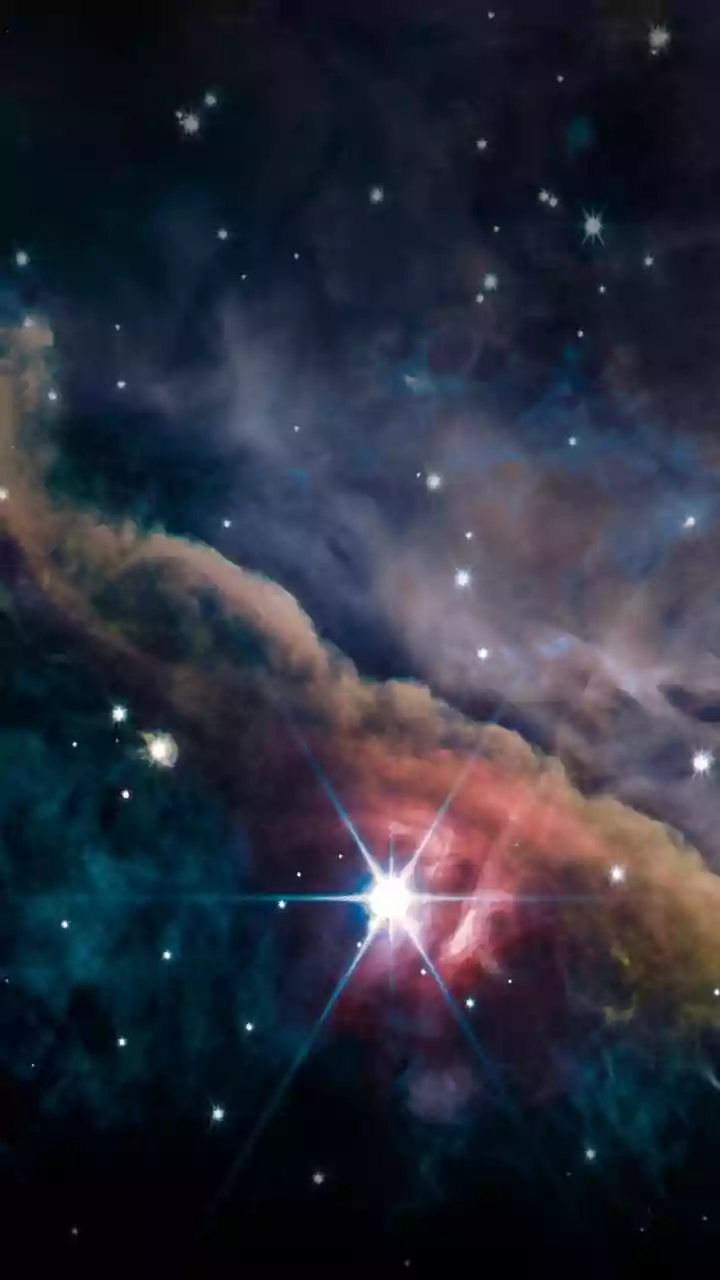
A perfect example of this process in action is the now-iconic 'Cosmic Cliffs' image from the JWST. This view of a star-forming region in the Carina Nebula looks like a craggy mountain range on a moonlit night. The seemingly three-dimensional picture is actually the edge of a giant gaseous cavity carved out by intense radiation from young stars. In the composite image, which combines data from two different JWST cameras, the colours tell a story. The golden and brown tones represent dust and hydrocarbons, while the 'steam' rising from the cliffs is hot, ionized gas escaping the nebula. Previously hidden newborn stars appear as red dots, their light penetrating through the dust thanks to Webb’s infrared vision. By assigning these colours, scientists make the complex processes of star formation tangible and breathtakingly beautiful, turning a wall of gas 7,600 light-years away into a landscape we can emotionally connect with.
Bridging the Cosmic Divide
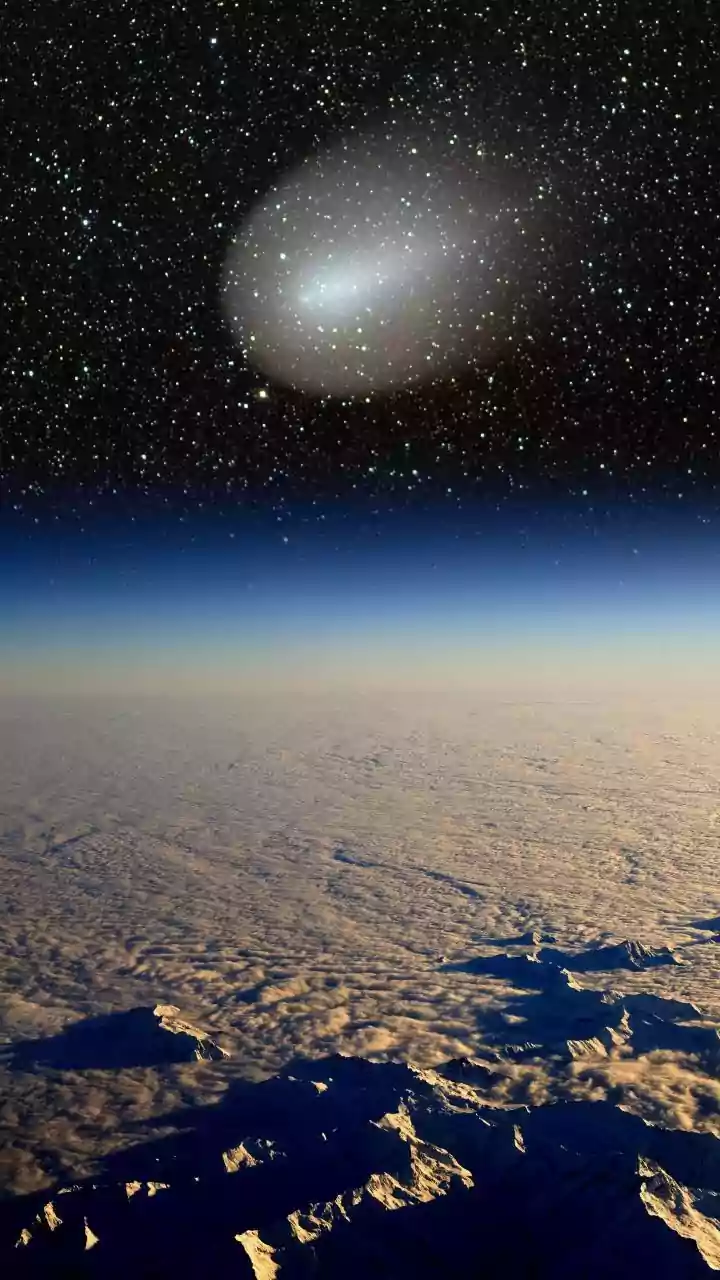
Ultimately, the headline’s claim that these images make space 'friendly' taps into a deep psychological truth. The cosmos is unimaginably vast, dark, and governed by forces we can barely comprehend. For many, this can be an intimidating, even frightening, concept. But when this void is filled with vibrant, warm colours and familiar-looking shapes—cliffs, pillars, bubbles, and lagoons—our perception changes. Awe replaces apprehension. These images provide a crucial emotional and intellectual bridge. They are not just scientific data; they are a form of storytelling that makes the universe accessible. Astronauts who see Earth from space often report a profound cognitive shift called the 'Overview Effect', a feeling of connection to the planet as a whole. In a similar way, these cosmic images act as a kind of overview effect for the rest of us, fostering a sense of wonder and belonging in a universe that suddenly feels less like a cold, empty expanse and more like a grand, creative neighbourhood.