







The Game Has Changed for Indian Travellers
For years, planning an international trip from India involved meticulous visa applications and rigid itineraries. Spontaneity was a luxury few could afford. But that reality is rapidly shifting. Several tourism-dependent nations in Southeast Asia, recognising
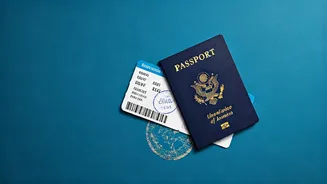
the immense potential of the Indian travel market, have rolled out the welcome mat in a big way. The biggest game-changer has been the introduction of visa-free entry policies. Countries like Thailand, Malaysia, and Sri Lanka have temporarily or permanently waived visa requirements for Indian citizens, effectively removing the biggest bureaucratic hurdle. This means you can book a ticket today and fly tomorrow, turning a whim into a reality. This shift empowers the 'last-minute' planner, making a long weekend in Phuket or a week-long escape to Bali more accessible than a domestic trip just a few years ago.
Your New Visa-Free Island Havens
So, where can your passport take you without the visa queue? Thailand is the headline act, offering a 30-day visa-free stay. This opens up world-famous island chains like those in the Andaman Sea (Phuket, Krabi, Phi Phi Islands) and the Gulf of Thailand (Koh Samui, Koh Phangan). Similarly, Malaysia offers 30 days of visa-free travel, making destinations like Langkawi and Penang incredibly easy to access. You can fly into Kuala Lumpur and catch a quick, cheap connecting flight to these island paradises. Sri Lanka, our island neighbour, has also joined the movement with its own visa-exemption pilot programme. These policies are designed to be simple: you just need a valid passport with at least six months of validity and proof of your return journey. Always double-check the latest official government announcements before booking, as these policies can sometimes be updated.
Connecting the Dots: Island Hopping Explained
The real magic of these new approvals isn't just visiting one island; it's the ease of 'hopping' between them. The region is brilliantly connected by a web of budget airlines and efficient ferry networks. For example, you could start your journey in Thailand's Krabi province, explore Railay Beach, then take a ferry to the stunning Phi Phi Islands for a few days. From there, another ferry or flight can take you to Phuket. A more ambitious trip could involve flying from India to Kuala Lumpur, exploring the city, then taking a short flight to the serene beaches of Langkawi. From Langkawi, you can even take a ferry across the border to Koh Lipe in Thailand, seamlessly blending two countries into one island-hopping adventure. This inter-connectivity, powered by low-cost carriers like AirAsia, allows you to build a flexible and affordable multi-destination itinerary that wasn't practical before.
A Sample Spontaneous Itinerary
Let's make this tangible. Imagine it's Wednesday, and you want to be on a beach by Saturday. Here's a possible plan: 1. Book Flights: Use a flight aggregator to find a direct flight from your nearest metro (like Delhi, Mumbai, or Bengaluru) to Bangkok (BKK) or Phuket (HKT) in Thailand. The visa-free rule means you just need your passport. 2. Day 1-2 (Krabi): From Bangkok, book a cheap one-hour flight to Krabi. Settle in, rent a long-tail boat to explore the iconic limestone karsts of Railay Beach, and enjoy the laid-back vibe. 3. Day 3-4 (Phi Phi Islands): Take a morning ferry from Krabi to the famous Phi Phi Islands. Hike to the viewpoint for that postcard-perfect shot and go snorkelling in the turquoise waters of Maya Bay. 4. Day 5-6 (Phuket): Hop on another ferry to Phuket. Here, you can enjoy a different energy—from vibrant nightlife in Patong to serene luxury resorts in the north. Enjoy the food, markets, and beautiful beaches before flying home directly from Phuket's international airport.
Pro Tips for the Last-Minute Planner
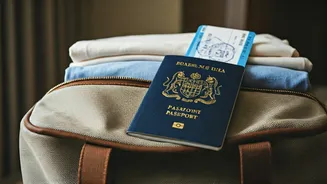
Spontaneity loves a little preparation. To make your trip smooth, keep these tips in mind. First, be flexible with your dates; flying mid-week is often cheaper. Use incognito mode when searching for flights to avoid price hikes. For accommodation, platforms like Agoda and Booking.com are dominant in Asia and often have last-minute deals. Don't pre-book every single hotel; leave some room for discovering a hidden gem. Pack light—a cabin bag is often enough for a week in the tropics and helps you navigate ferries and small planes easily. Finally, ensure you have a travel-friendly credit or debit card, and download offline maps and translation apps before you leave.