







The Illusion of 'Frictionless' Freedom
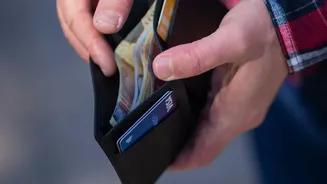
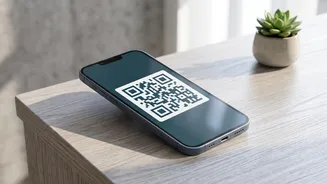
Unified Payments Interface (UPI) was designed for speed and convenience, eliminating the need to fumble for cash or count change. While revolutionary, this very seamlessness is a double-edged sword. Psychologically, the act of handing over physical cash creates
a moment of awareness—a small 'pain of paying'. Digital taps and scans remove this entirely. A ₹50 payment for a snack feels insignificant in the moment, but dozens of these micro-transactions can add up to thousands of rupees by the end of the month, often going unnoticed until you check your bank statement. The goal isn't to stop using UPI, but to reintroduce a moment of thought into the process, turning mindless spending into a conscious choice. This is where creating 'intentional friction' comes in.
Start With a One-Week Spending Audit
Before you can change your habits, you need to understand them. Most UPI apps like PhonePe, Google Pay, and Paytm have a 'History' section that logs every single transaction. For one week, your only task is to observe. At the end of each day, scroll through your UPI payments. You can use a simple notebook or a notes app to categorise them: 'Food & Drink', 'Commute', 'Shopping', 'Bills', etc. This isn't about judging your choices; it's about collecting data. You might be shocked to see how much your daily coffee, impromptu online purchases, or quick auto-rickshaw rides are costing you. This clarity is the crucial first step to identifying where your money is really going and where you can realistically cut back.
Create a 'Digital Allowance' Jar
One of the most effective ways to cap your daily spending is to separate your discretionary funds from your main savings or salary account. Set up a secondary bank account with a minimal balance. At the start of each week or month, transfer a fixed 'allowance' for your non-essential spends into this account. Link your primary UPI app only to this secondary account. When the funds in this 'allowance account' run out, your spending automatically stops until your next self-allotted transfer. This method recreates the scarcity of a physical wallet, providing a hard limit that forces you to be more mindful of each purchase. Some apps also offer UPI Lite, an on-device wallet you can load with a small amount for petty expenses, which serves a similar purpose.
Add a 'Payment Pause' to Your Routine
Impulse purchases thrive on speed. The best way to combat them is to introduce a mandatory waiting period. This is a behavioural trick, not a technical one. For any non-essential online purchase, add the item to your cart but do not complete the payment. Enforce a personal '24-hour rule' where you must wait a full day before you can buy it. More often than not, the initial urgency will fade, and you'll realise you don't need the item after all. This simple pause re-engages the rational part of your brain, giving it time to override the instant gratification impulse that digital shopping is designed to exploit.
Use Your App's Features Against Itself
While designed for convenience, many UPI and banking apps have features you can leverage to create friction. First, dive into your settings and disable any 'one-tap' or 'express checkout' options that save you from entering your UPI PIN. That extra step of keying in your PIN can be a powerful micro-pause. Second, check if your banking app allows you to set daily transaction limits on your UPI usage. Some banks like HDFC, ICICI, and SBI offer this control through their net banking or mobile apps. Setting a lower daily cap can prevent a series of small spends from escalating. Finally, move your most-used payment apps off your phone's main home screen and into a folder. The simple act of needing an extra tap to open the app can be just enough of a barrier to make you question if you really need to make that payment.