




A Return to Earthen Roots
In the small balconies and sunlit corners of urban Indian apartments, a quiet rebellion is taking shape. It’s a move away from the flawless, mass-produced decor that dominated for years and a return to something more grounded: terracotta. Young Indians,
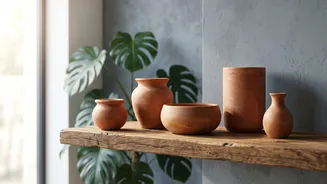
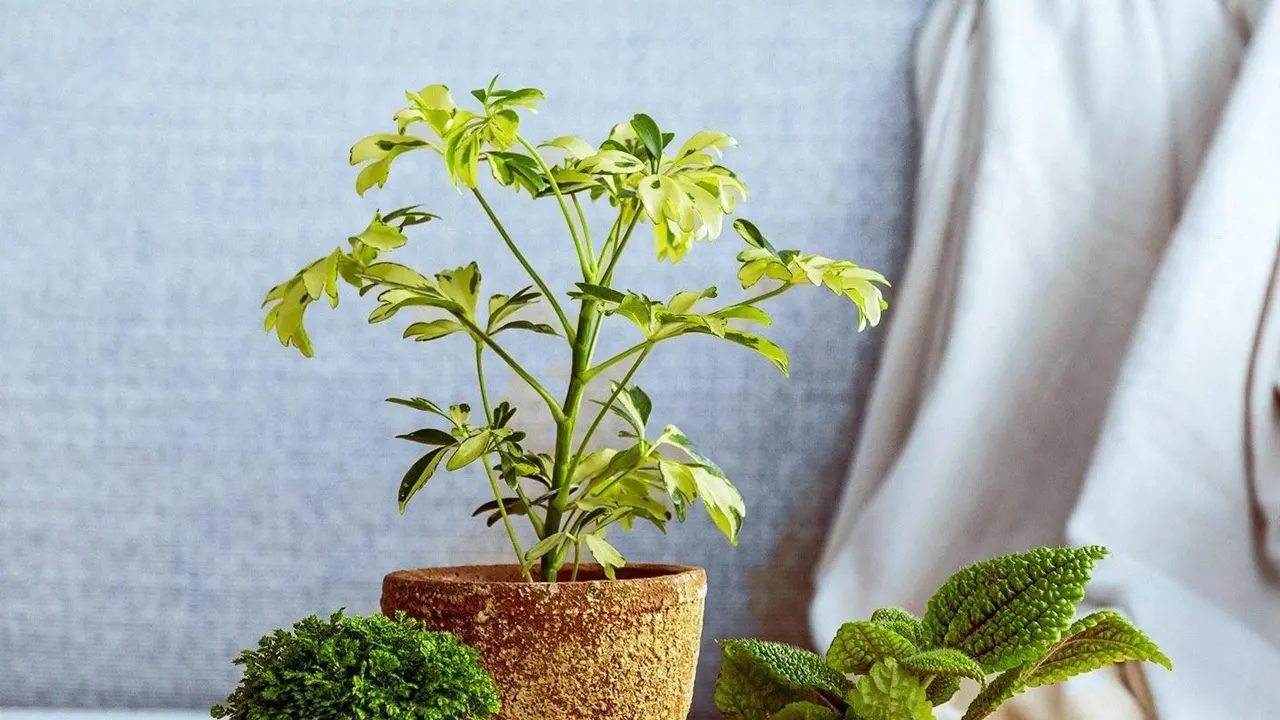
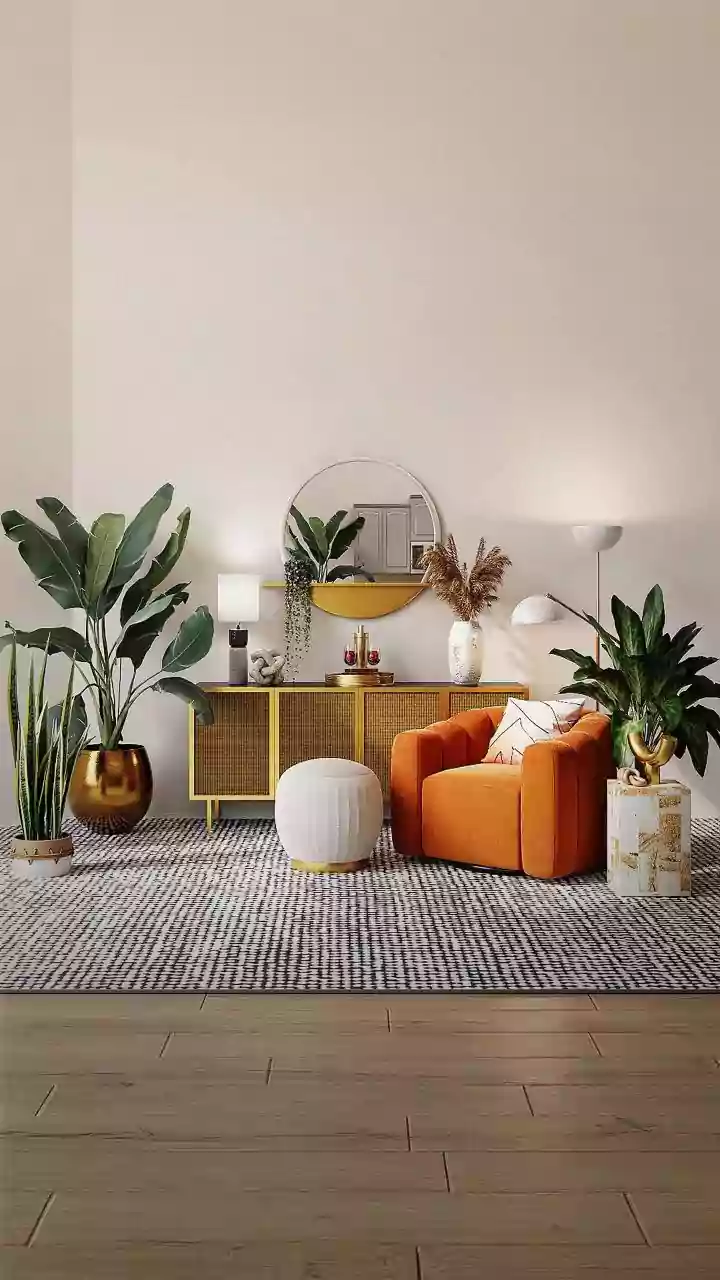
particularly Gen Z, are increasingly decorating their homes with clay pottery, from simple water pots and planters to artisanal vases and decorative objects. This trend isn't about recreating a village aesthetic; it's about selectively integrating earthy, imperfect pieces into modern, often minimalist, spaces. The warm, rustic tones of terracotta are being paired with clean lines, neutral palettes of beige and off-white, and indoor plants to create homes that feel both contemporary and deeply connected to Indian heritage. This aesthetic choice serves as a visual antidote to the digital saturation of daily life, creating a calming sanctuary.
Sustainability as a Statement
For Generation Z, aesthetics are rarely just about looks; they are a reflection of values. The embrace of clay pottery is deeply intertwined with a commitment to sustainability. As a generation wary of fast fashion and 'fast furniture', they are drawn to natural, biodegradable materials like clay. This movement is a conscious rejection of plastic and factory-made decor in favour of items that have a smaller environmental footprint. The concept of 'upcycling' plays a crucial role here. On one level, it involves literally giving old or broken earthenware a new life through DIY projects—a cracked 'matka' might be painted and repurposed as a unique planter. On a broader level, it's about culturally upcycling a traditional craft, taking something timeless and making it relevant again in a modern context.
The Artisan Connection
This trend is also rewriting the relationship between consumer and creator. Instead of buying from large, anonymous retailers, many young people are using social media platforms like Instagram to discover and purchase directly from local potters and small, homegrown businesses. This shift does more than just furnish a home; it helps sustain traditional craft communities. By choosing a handcrafted terracotta lamp or a set of clay 'kulhars', this generation is investing in a story, a person, and a skill. It's a move toward 'conscious curation', where every object in the home has a meaning and a known origin. This desire for authenticity is a powerful force, turning a simple purchase into an act of cultural and economic support.
Personal, Imperfect, and Authentic
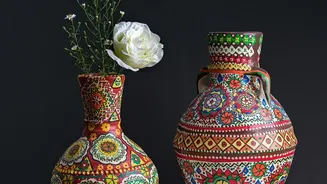
Perhaps the most defining feature of the Gen Z interior aesthetic is its emphasis on individuality and self-expression. Unlike previous generations that may have aspired to a single, polished look, today's young urbanites are creating spaces that are deeply personal. They embrace the imperfections of handmade goods—the slight asymmetry of a clay pot, the unique texture of its surface—as markers of authenticity, not flaws. Customisation is key; a plain terracotta pot might be hand-painted with modern geometric patterns or quirky motifs, turning a simple object into a piece of personal art. This approach rejects rigid design rules, favouring an eclectic and layered style where a vintage piece can sit comfortably next to a modern one, and a handcrafted item is the star of the show.