


The High Cost of Going Green
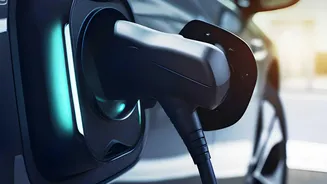
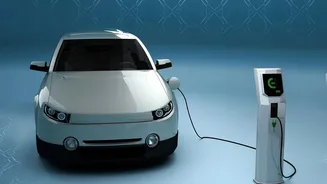
For years, the biggest barrier to mass adoption of electric vehicles in India has been the price tag, and the battery is the single most expensive component. Currently, most EVs run on lithium-ion batteries. The challenge for India is that it has limited
lithium reserves, forcing a heavy reliance on imports for lithium and other key minerals like cobalt and nickel. This dependence not only drives up costs due to volatile global prices but also creates a strategic vulnerability for the nation's ambitious EV goals. The quest for a cheaper, more secure alternative has become a national priority, leading scientists and corporations to look for solutions closer to home.
Enter Sodium-Ion: The 'Desi' Battery Solution
The answer might just be found in salt. Sodium-ion battery technology uses sodium, an element that is abundantly available in India through sea salt and minerals. Unlike scarce lithium, sodium is one of the most plentiful elements on earth, making its raw material cost significantly lower. This homegrown advantage is why sodium-ion is being hailed as India’s strategic wildcard in the global EV race. By developing this technology, India can reduce its import dependency, build a self-reliant energy storage ecosystem, and make EVs accessible to a much larger segment of the population.
Leading the Charge: India's Sodium-Ion Pioneers
A wave of innovation is sweeping across the country, with several Indian companies and research institutions making significant strides. Conglomerates like Reliance Industries, through its acquisition of UK-based Faradion, are fast-tracking the commercialisation of sodium-ion technology for its giga factory in Jamnagar. Pune-based KPIT Technologies has developed its own sodium-ion battery technology and transferred it to Trentar Energy Solutions for commercial production, with plans for a 3 GWh manufacturing facility. Startups are also in the race, with companies like Indi Energy in Roorkee creating hard carbon for anodes from agricultural waste, and others like GODI and Naxion Energy developing their own cells. These efforts are expected to create a robust domestic supply chain.
Performance, Price, and Your Next E-Scooter
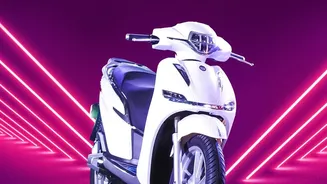
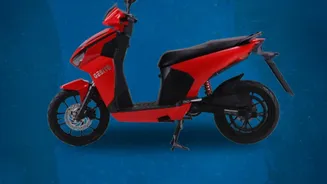
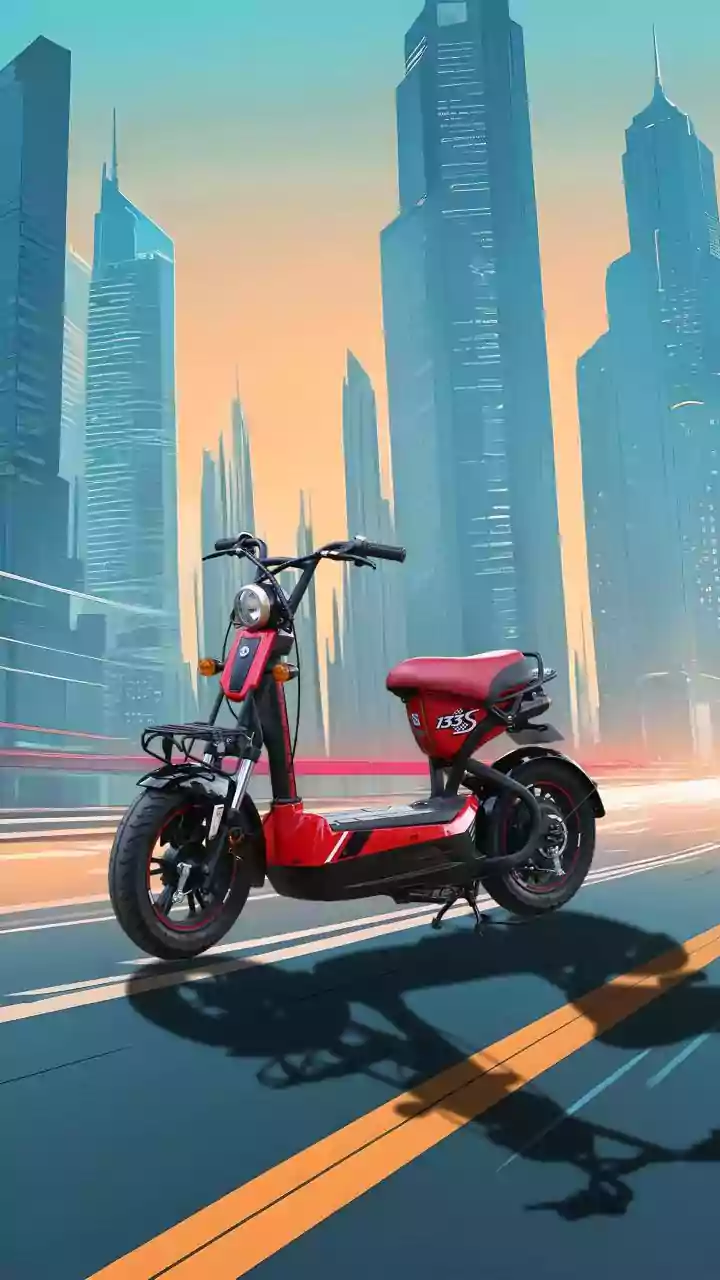
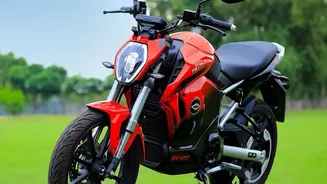
So, what does this mean for the average buyer? The most significant impact will be on cost. Experts estimate sodium-ion batteries could be 15-30% cheaper than their lithium-ion counterparts, which could translate into a substantial price drop for two-wheelers. While early sodium-ion versions may have slightly lower energy density—meaning a bit less range—they are perfectly suited for the daily city commutes of most electric scooters and motorcycles. Furthermore, they offer major safety benefits, including better thermal stability, making them less prone to fire, and excellent performance in India's extreme temperatures. With many companies aiming for commercial production between 2026 and 2028, the era of the truly affordable e-scooter is just around the corner.