





Maharashtra: The Epicentre of Spectacle
When one thinks of Ganesh Visarjan, the mind immediately conjures images of Maharashtra. In Mumbai, the immersion is a grand, theatrical event. Processions carrying towering idols from famous pandals like Lalbaugcha Raja snake through the city for hours,
culminating in a sea of humanity at Girgaon Chowpatty and Juhu Beach. The energy is electric, a mix of devotional fervour and a carnival-like atmosphere. A few hours away, Pune, the city where Lokmanya Tilak popularised the public Ganeshotsav, offers a different flavour. Here, tradition takes centre stage. The processions are led by the five 'Manache Ganpati' (revered idols), and the air is filled with the disciplined, thunderous beats of dhol-tasha troupes, a practice deeply rooted in Maharashtrian culture. While Mumbai’s celebrations are defined by scale and spectacle, Pune’s are steeped in history and a more traditional rhythm.
Goa: An Intimate, Community Affair
In neighbouring Goa, the farewell to Ganesha, known locally as 'Chavath', is a more personal and intimate affair. While public pandals exist, the festival is deeply rooted in family and ancestral homes. Many celebrations are community-focused, with entire villages coming together for processions that feel more like a large family gathering. Instead of DJ music, the air often fills with the sounds of traditional instruments like the ghumot, a local percussion instrument, giving the visarjan a unique Goan identity. Some families and communities celebrate for a shorter period, with immersions taking place after one-and-a-half, three, or five days, depending on family customs. This focus on village unity and family makes the Goan visarjan a warm, authentic experience, distinct from the massive urban spectacles elsewhere.
Hyderabad: The Land of the Giants
Telangana's capital, Hyderabad, takes the concept of 'grand' to another level, focusing on sheer size. The city is famous for its colossal Ganesh idols, with the Khairatabad Ganesha being the most renowned. Historically growing in height each year, this single idol draws millions of devotees during the festival. The visarjan procession in Hyderabad is a monumental event, with thousands of idols, led by the giant from Khairatabad, making their way to Hussain Sagar Lake for immersion. The celebration, known as Vinayaka Chavithi, blends Maharashtrian influences with local Telugu traditions, featuring devotional songs, vibrant dances, and an electrifying energy that makes it one of the largest religious gatherings in the country.
Southern Variations: Subtlety and Symbolism
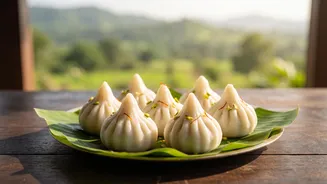
Further south, the tone of the festival shifts again. In Karnataka, the celebration often begins a day earlier with Gowri Habba, where Goddess Gauri (Ganesha's mother) is worshipped. Lord Ganesha is welcomed the next day, and in many traditions, both idols are immersed together, symbolising Ganesha taking his mother back to their celestial home. In Tamil Nadu, the festival, called Vinayaka Chaturthi, traditionally involves simpler, home-based celebrations. Families often use small, eco-friendly clay idols, and the primary offering is the 'kozhukattai', a steamed dumpling. While larger public processions have become more common in cities like Chennai, the core of the festival in many parts of the state remains a personal, spiritual observance focused on prayer and family.
A Modern Tradition: The Eco-Friendly Farewell
Across all these regions, a new, unifying tradition is emerging: the eco-friendly visarjan. Growing awareness about water pollution from Plaster of Paris (PoP) idols and chemical paints has led to a significant shift in practices. More families and communities are now opting for idols made of natural clay (shadu mati) that dissolve easily in water. The concept of immersing the idol at home in a bucket or a temporary pond has also gained widespread acceptance, particularly in urban areas. This modern approach is, in many ways, a return to older traditions where idols were made from natural materials. This shift ensures that the farewell to Ganesha is not just a celebration of faith, but also an act of respect for the environment.