



The End of the Untouchable Sofa
For generations, many Indian homes had a living room that felt more like a museum than a living space. It was the formal 'baithak' or drawing-room, often featuring the best furniture, pristine upholstery, and a sense of being perpetually reserved for special
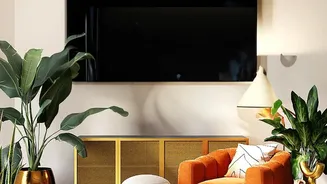
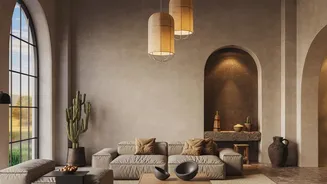
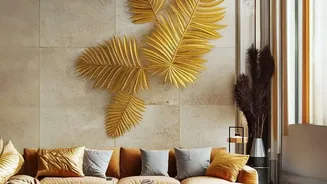
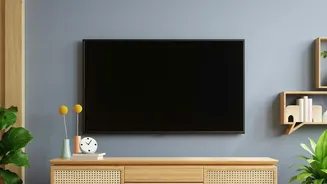
occasions. Daily life happened elsewhere—in bedrooms, kitchens, and verandas. But that era is fading fast. Today, driven by a confluence of social and economic factors, the living room is being reclaimed for the everyday. It has shed its formal, guest-only status to become a dynamic, lived-in hub of the home.
Why the Change? Work, Space, and Aspirations
Several key drivers are fuelling this transformation. The most significant is the post-pandemic normalisation of hybrid work. With home doubling as an office two or three days a week, every square foot needs to be functional. A quiet corner of the living room becomes a makeshift workstation, necessitating furniture that can adapt. Another major factor is urbanisation and the resulting space crunch. As average apartment sizes in cities shrink, dedicating an entire room for occasional use has become an unaffordable luxury. This shift is also aspirational. Influenced by global trends on platforms like Pinterest and Instagram, homeowners are no longer just fixing their homes; they're designing them for a better quality of life, focusing on both aesthetics and utility.
The Rise of Transformer Furniture
This new demand for flexibility has propelled multifunctional furniture from a niche solution to a mainstream must-have. These are not the clunky, compromise-laden pieces of the past. Modern designs are sleek, stylish, and engineered for daily use. Sofa-cum-beds are a prime example, allowing the living room to serve as a guest room without sacrificing comfort. Extendable dining tables that remain compact for daily family meals but expand for guests are increasingly popular. Other clever solutions include ottomans with hidden storage, wall-mounted desks that fold away, and modular sofas that can be reconfigured for lounging, hosting, or work. The goal is to make a single room serve multiple purposes seamlessly—a concept sometimes called 'broken-plan' living, which creates distinct zones without building walls.
More Than Just Clever Tables
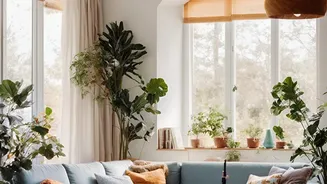
The shift goes beyond just buying smart furniture. It represents a deeper change in mindset. Indians are becoming more intentional about how their homes function. The focus is now on creating spaces that are not just beautiful but also intelligent, responsive, and deeply personal. This involves clever storage to reduce clutter, using lighter colour palettes and mirrors to create an illusion of space, and incorporating natural elements like indoor plants for wellness. There's also a growing preference for sustainable materials like reclaimed wood and bamboo, reflecting a conscious desire to blend modern functionality with environmental harmony. It's a move away from rigid formality towards a more fluid, comfortable, and efficient way of living.