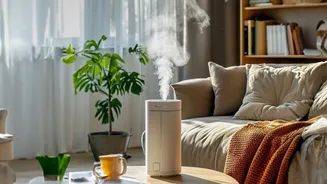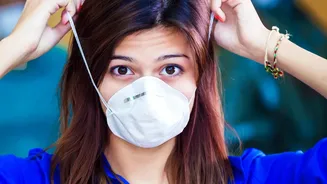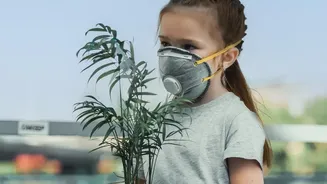




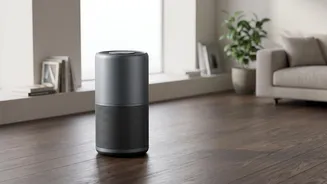

As air quality in many Indian cities plummets, buying an air purifier feels like a necessary step. But the purchase is just the beginning. The real key to breathing cleaner air indoors lies in a task that is often forgotten: filter maintenance.
Your Purifier Is Only Half the Solution
An air
purifier is a powerful tool, but it is only as effective as its filter. Hearing it run does not guarantee it's cleaning the air. Over time, filters become clogged with the very pollutants they are designed to capture—dust, pollen, pet dander, and harmful PM2.5 particles. A saturated filter not only stops trapping new particles but can also reduce airflow, forcing the machine's motor to work harder and consume more energy. In some cases, a severely clogged filter can even allow pollutants to bypass the filtration system, compromising the air you breathe. The simple act of buying the device is a great first step, but consistent upkeep is what delivers long-term protection.
Understanding Your Purifier's Filtration System
Most modern air purifiers use a multi-stage filtration system, with each layer targeting different pollutants. The first line of defense is the pre-filter, a mesh screen that captures large particles like hair, lint, and visible dust. Next is the High-Efficiency Particulate Air (HEPA) filter, the core of the system, which traps microscopic particles like fine dust, pollen, mould spores, and bacteria. Finally, an activated carbon filter absorbs odours, gases, and volatile organic compounds (VOCs) from cooking, smoke, or household chemicals. Knowing what each filter does helps you understand why maintaining them is so critical.
The Dangers of a Dirty Filter
Ignoring filter maintenance can do more harm than good. A clogged pre-filter forces the HEPA filter and the motor to work overtime, reducing the device's lifespan. A saturated HEPA filter loses its ability to capture fine particles, meaning allergens and pollutants remain in circulation. This can lead to a return of allergy and asthma symptoms. Furthermore, a dirty filter can begin to emit a musty or sour odour, as trapped organic particles and moisture create a breeding ground for mould or bacteria. Instead of cleaning your air, a poorly maintained purifier can end up circulating stale, polluted air throughout your room.
A Simple Maintenance and Replacement Guide
Your maintenance schedule will depend on your specific model, usage, and local pollution levels. However, general guidelines can help. Pre_filters are often washable and should be cleaned every two to four weeks, especially during high_pollution seasons. Ensure they are completely dry before re_inserting to prevent mould growth. Activated carbon filters typically need replacement every 3 to 6 months as they become saturated with odours and gases. The crucial HEPA filter generally lasts between 6 and 12 months. Never wash a HEPA filter, as water damages its delicate fibre structure and destroys its effectiveness. Many purifiers now have a 'change filter' indicator, but visible dirt, reduced airflow, and increased noise are also clear signs it's time for a replacement.
Beyond the Purifier: A Holistic Approach
While a well_maintained purifier is essential, it works best as part of a broader strategy. Keep windows and doors closed during periods of high outdoor AQI to prevent new pollutants from entering. Sealing gaps around doors and windows can also help. Reduce indoor pollution sources by using exhaust fans while cooking, avoiding harsh chemical cleaners, and damp_mopping floors instead of dry_sweeping to prevent dust from becoming airborne. Placing the purifier in a central location with plenty of space around it for air circulation will also maximize its effectiveness. These habits, combined with diligent filter care, create a much healthier indoor environment.