




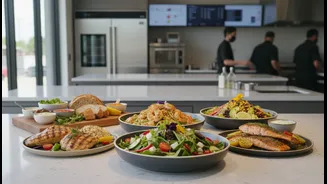


The Rise of the Virtual Restaurant
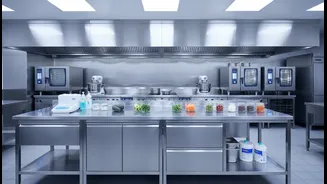
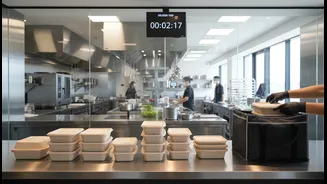
Cloud kitchens, also known as ghost or virtual kitchens, are delivery-only restaurants with no physical dining space. By shedding the high costs of prime real estate, storefront decor, and front-of-house staff, these businesses can operate with significantly
lower overheads. This lean model allows them to focus investment on what matters most: food quality, kitchen efficiency, and technology. The Indian cloud kitchen market, valued at over USD 1.24 billion in 2025, is projected to grow at a robust rate, reaching over USD 2.4 billion by 2034. This growth is fuelled by changing consumer habits, rising urbanisation, and the sheer convenience of ordering meals online.
A Growing Appetite for Health
Convenience, however, is no longer the only factor driving choices. A significant shift is underway in consumer preferences across India. There is a growing, vocal demand for healthier, cleaner, and more transparent food options. Recent data shows that the demand for products like protein-rich foods, cold-pressed oils, and nuts is surging, with health-conscious consumption emerging as a key trend. This is especially true among younger demographics like Gen Z and millennials, who are not only ordering more but are also willing to pay a premium for food that aligns with their wellness goals. This trend is not confined to metros; Tier-2 and Tier-3 cities are also seeing a rapid adoption of healthier eating habits.
What is 'Cleaner' Menu Design?
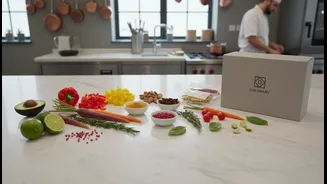
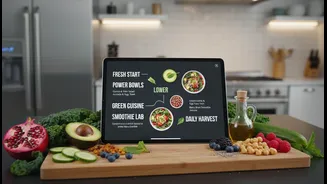
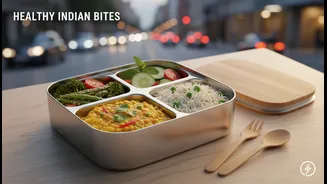
The term 'clean' menu design goes beyond just adding a salad to the list. It represents a more fundamental approach to food. It means using high-quality, fresh ingredients and minimising processed items. It involves transparency about sourcing and nutritional information. For cloud kitchens, it also means engineering dishes that not only taste good but also travel well, ensuring that quality isn't compromised during delivery. This could involve offering plant-based options, low-carb meals, or fusion bowls, all of which are gaining popularity. A focused, shorter menu often performs better, reducing food waste and improving kitchen efficiency.
The Cloud Kitchen Advantage
Cloud kitchens are uniquely positioned to lead this healthier evolution. Their flexible, low-risk model makes them ideal for menu innovation. Unlike a traditional restaurant that must commit to a fixed menu, a cloud kitchen can use data analytics to test new healthy dishes, track their popularity, and adapt quickly to consumer feedback. They can create niche, health-focused virtual brands from a single kitchen, catering to specific dietary preferences like vegan, keto, or high-protein diets without the massive investment a standalone restaurant would require. This agility allows them to meet the precise demands of the health-conscious consumer efficiently and profitably.
A Strategic Imperative, Not a Trend
In a fiercely competitive market, simply offering the lowest price is no longer a sustainable strategy. Building a brand that customers trust is paramount, and without a physical space, food quality is the primary way to build that loyalty. Operators who focus on operational efficiency, premium positioning, and superior food quality are pulling ahead. By embracing cleaner and healthier menu design, cloud kitchens can differentiate themselves, command better margins, and build a loyal customer base. They can move the conversation from discounts to value, aligning their business success with the long-term well-being of their customers. This isn't just about following a trend; it's about making a smart, strategic decision for future growth.