







Plan Before You Purchase
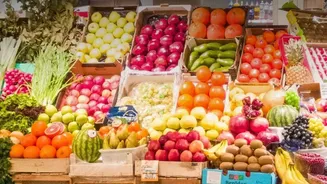
One of the biggest sources of waste is impulse buying. Before heading to the market, take a quick inventory of your pantry and fridge. Plan your meals for the week, or at least for the next few days. This simple habit prevents you from buying vegetables
you already have or ingredients you won't use. A shopping list is your best defence against over-purchasing and ensures everything you buy has a purpose. Studies show that meal planning can cut household food waste significantly.
Master Smart Storage
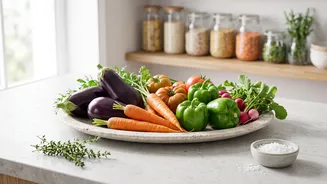
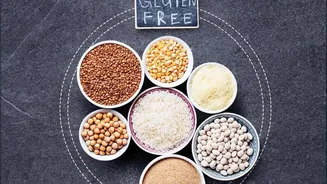
How you store your groceries makes a world of difference. Keep leafy greens like spinach and coriander fresh longer by wrapping them in a cloth or paper towel and storing them in an airtight container in the fridge. Store root vegetables like onions and potatoes in a cool, dark, and dry place, not in the refrigerator. Grains, dals, and spices should be kept in airtight containers to protect them from moisture and pests, preserving their flavour and extending their life.
Embrace the 'First In, First Out' Rule
It’s easy for older vegetables or leftovers to get pushed to the back of the fridge and forgotten. Practice the 'First In, First Out' (FIFO) method. When you unpack new groceries, move the older items to the front. This makes you more likely to use them first, preventing them from spoiling. A little organisation can save a significant amount of food from ending up in the bin.
Love Your Leftovers Creatively
Leftovers are not a sign of failure; they are an opportunity for creativity. Yesterday's dal can be used to knead soft, nutritious atta for parathas. Leftover rice can be transformed into crispy cutlets, fried rice, or even savoury pancakes. A bit of dry sabzi makes an excellent filling for a grilled sandwich, and leftover roti can be cut into triangles and baked into crunchy, healthy 'nachos'. Thinking of leftovers as ingredients for the next meal is a game-changer.
Serve Smaller Portions
In our culture of hospitality, it's common to serve generous portions to show care. However, this often leads to plate waste. A better approach is to serve smaller portions initially. Encourage family members and guests to take second helpings if they are still hungry. This respects their appetite while ensuring that perfectly good, untouched food isn't scraped into the trash at the end of a meal.
Use the Whole Vegetable
We often throw away parts of vegetables that are perfectly edible and nutritious. Cauliflower stems and leaves, broccoli stalks, and carrot tops can all be used. Stems and stalks can be chopped finely and added to sabzis, soups, or dals for extra texture and nutrients. This nose-to-tail approach to vegetables honours the entire plant and reduces the amount of waste that goes into your kitchen bin.
Start a Compost Corner
Even with the best habits, some food waste is unavoidable, such as fruit peels, eggshells, and tea leaves. Instead of sending this organic matter to a landfill where it releases harmful methane gas, consider composting. Many compact composters are now available that are suitable for apartment balconies. Composting turns your kitchen scraps into nutrient-rich soil for your plants, creating a circular system in your own home.