







The Annual Deluge of Inconvenience
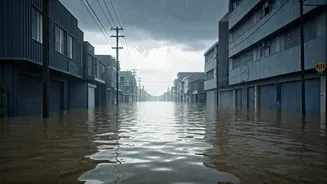
For residents of India's major cities, the onset of the monsoon brings a predictable wave of chaos. [30] Within hours of a downpour, arterial roads in Mumbai, Delhi, Bengaluru, and Pune transform into canals. [19, 30] Traffic grinds to a halt for kilometres,
public transport is overwhelmed, and a journey that should take minutes stretches into a multi-hour ordeal. [19, 30, 33] This isn't a rare occurrence or a freak weather event; it's a recurring, city-paralysing nightmare that citizens are forced to accept as a seasonal tax on their time, productivity, and well-being. [32, 33] The scenes are painfully familiar: vehicles submerged in murky water, commuters wading through knee-deep floods, and a collective sense of frustration that bubbles over on social media and in stalled cars. [26]
More Than Just Heavy Rain
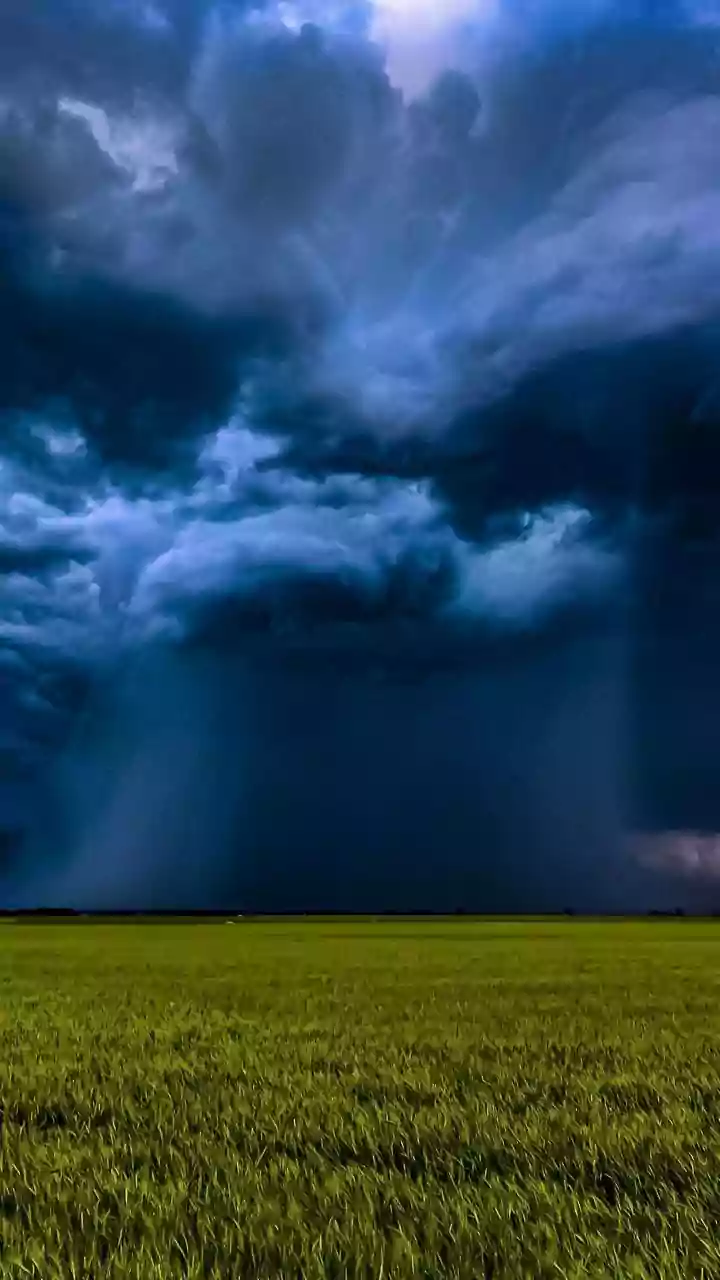
It’s easy to blame the intense rainfall, but that's only half the story. Climate change is certainly making monsoon patterns more erratic and intense, with short, powerful bursts of rain becoming more common. [12, 14, 32] However, the core issue is not the amount of rain, but the inability of our cities to handle it. [22] This is fundamentally a problem of urban planning—or a lack thereof. [6] For decades, our cities have expanded rapidly with little regard for natural hydrology. [10, 16] We have built over floodplains, paved over absorbent soil, and treated our natural water bodies as dumping grounds, systematically dismantling the very ecosystems that once protected us from flooding. [6, 16, 28]
Where The System Breaks Down
The anatomy of this failure has several components. First, our stormwater drainage systems are woefully inadequate. [12, 14] Many, like those in Mumbai and Delhi, are decades-old, built for much smaller populations and lower rainfall intensity. [14, 17, 22] They are often clogged with silt and solid waste, further reducing their capacity. [15] Second is the relentless concretisation of our urban landscape. Every new road, building, and pavement creates an impervious surface, preventing rainwater from seeping into the ground and dramatically increasing surface runoff. [6, 10, 22] Finally, there is the tragic loss of our natural sponges—lakes, wetlands, and mangrove forests. [6, 14] In cities like Bengaluru, which once boasted a network of interconnected lakes, rampant encroachment for construction has destroyed natural rainwater storage systems. [6, 21, 23] These illegal constructions often block stormwater drains, guaranteeing floods even after moderate rainfall. [21, 25, 28]
The Human and Economic Cost
The impact of this planning failure goes far beyond mere inconvenience. It carries a steep economic price, with disruptions causing billions in losses from stalled commercial activity and damaged infrastructure. [33] There's the loss of productivity as employees are stuck in traffic for hours or forced to work from home. [30] More critically, it poses significant health and safety risks. Waterlogged streets become breeding grounds for disease, while flooded underpasses and open drains can become deadly traps. [9] The chaos disproportionately affects the most vulnerable residents, many of whom live in low-lying areas and lack the resources to cope with the disruption and damage to their homes and livelihoods. [14]
A Call For Smarter, Greener Cities
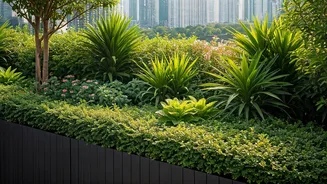
Fixing this requires a fundamental shift from reactive crisis management to proactive, intelligent planning. The answer lies in concepts like the "Sponge City," which uses nature-based solutions to manage water. [7, 10] This involves creating more permeable surfaces with porous pavements, building rain gardens and bioswales to absorb runoff, protecting and rejuvenating urban water bodies, and mandating green roofs on new constructions. [7, 8, 11] Cities like Chennai and Mumbai have begun experimenting with creating sponge parks and protecting mangroves, showing that progress is possible. [7, 8] It demands that urban planners and policymakers stop fighting against nature and start designing cities that work with it, integrating green and blue infrastructure to build resilience for the future. [7, 8, 11]