


More Than Just a Lunchbox
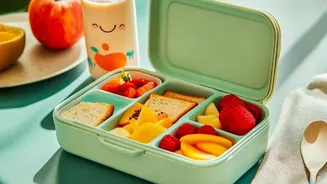
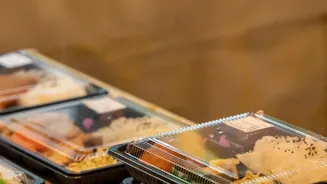
At first glance, the Indian bento might look like just another compartmentalised lunchbox. But it represents a shift in philosophy, blending the Japanese tradition of bento—which emphasizes balance, aesthetics, and portion control—with the soul of Indian home
cooking. Unlike the vertically stacked tiffin where flavours can sometimes mingle, a bento box is a single, flat container with distinct sections. This design keeps every element of the meal separate, fresh, and visually enticing. The goal isn't just to transport food; it's to create a complete, well-rounded meal experience that is as delightful to look at as it is to eat.
The Evolution of the Dabba
The steel dabba, or tiffin, is a symbol of love, carrying warm, home-cooked meals from kitchen to office or school, a tradition famously upheld by Mumbai's dabbawalas. The Indian bento isn't here to replace this legacy but to adapt it for contemporary life. Today, with a greater focus on health, portion control, and dietary variety, the bento format offers a practical solution. Its separate compartments encourage us to think in terms of food groups: a section for carbs, one for protein, one for vegetables, and perhaps a small spot for a pickle or a sweet treat. It's the same wholesome, everyday food, just presented in a more structured and mindful way that suits modern wellness goals.
Building the Perfect Indian Bento
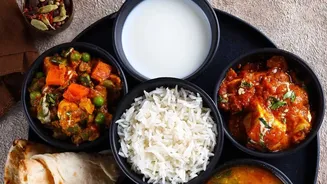
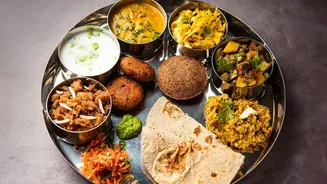
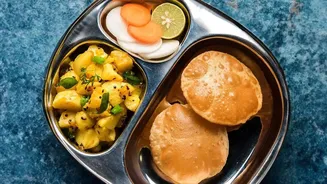
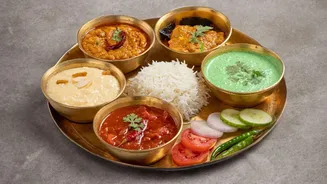
The beauty of the Indian bento lies in its versatility with familiar foods. A well-balanced box might feature jeera rice or a small paratha in the largest compartment. The next section could hold a protein-rich dal, channa masala, or paneer tikka. Another compartment is perfect for a dry vegetable preparation (sabzi) like aloo gobi or bhindi masala, or a fresh kachumber salad. The smallest sections can be used for accompaniments that complete the meal—a spoonful of cooling raita, a tangy pickle, or a few pieces of fruit for dessert. The possibilities are endless, from a South Indian-inspired box with lemon rice and vegetable poriyal to a North Indian mini-thali with roti and paneer bhurji.
Convenience Meets Creativity
One of the biggest advantages of adopting the bento system is its encouragement of meal prepping. Planning your boxes for the week can save time and reduce the daily stress of deciding what to pack. The compartmentalised layout also makes lunch more exciting, breaking the monotony of a single-dish meal. It turns everyday food into something special, encouraging creativity in combining textures and flavours. From masala omelettes with whole wheat bread to channa masala wraps sliced into bite-sized pieces, the format invites experimentation. This organised approach not only ensures a balanced meal but also makes homemade food feel like a treat, not a chore.