






The Monsoon Humidity Trap
When you exercise in the dry summer heat, sweat evaporates quickly, providing a clear signal of fluid loss. During the monsoon, however, high humidity prevents this process. The air is already saturated with moisture, meaning your sweat drips off your skin
instead of evaporating, offering minimal cooling benefit. Your body, sensing that it's still overheating, responds by producing even more sweat. This creates a dangerous cycle: you lose significant amounts of fluid and essential salts without the obvious sensation of cooling down, making it easy to underestimate your hydration needs. Many people mistake the feeling of being drenched for ambient moisture when it is, in fact, significant sweat loss.
Why Thirst Isn't a Reliable Guide
A common mistake is waiting until you feel thirsty to drink water. Thirst is actually a delayed signal; by the time you feel it, your body is already in a state of dehydration. During the cooler, cloudier days of the monsoon, your sensation of thirst may be even further suppressed, compounding the risk. Dehydration can negatively impact everything from your cognitive function and focus to your physical performance. Even a small amount of fluid loss can reduce endurance, impair muscle function, and leave you feeling fatigued.
Simple Ways to Monitor Your Hydration
Since thirst isn't the best indicator, experts recommend more reliable methods for tracking hydration. One of the simplest is the urine colour test. Your urine should be a pale yellow, similar to the colour of lemonade. If it's dark yellow or amber-coloured, it’s a clear sign you need to increase your fluid intake. For those with more intense training schedules, weighing yourself before and after a workout can provide a precise measure of fluid loss. Any weight lost during exercise is primarily sweat, and the goal is to replenish that fluid effectively to aid recovery. Setting reminders on your phone or using a water tracking app can also be effective ways to build a consistent hydration habit.
Smarter Hydration: Beyond Plain Water
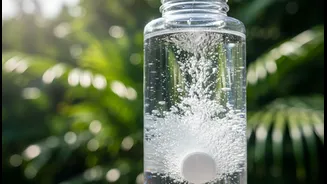
While water is essential, it may not be enough during long or intense workouts in high humidity. Significant sweating leads to the loss of crucial electrolytes like sodium and potassium, which are vital for muscle function and fluid balance. Simply drinking large amounts of plain water can dilute the remaining electrolytes in your body, which can be dangerous. To replenish these losses, consider incorporating natural electrolyte sources. Coconut water, buttermilk (chaas), and fresh lemon water (nimbu pani) with a tiny pinch of salt and sugar are excellent options. For prolonged or very intense exercise, a specially formulated oral rehydration solution (ORS) or a sports drink can be beneficial.
Listen to Your Body's Early Warnings
Beyond urine colour, your body provides other subtle cues of dehydration. Persistent fatigue, unexplained headaches, dizziness, and muscle cramps are common early warning signs. You might also notice a dry mouth or feel your energy levels dip unexpectedly during your workout. Paying attention to these signals is crucial. If you start to experience any of them, it's important to stop your activity, find a cool place to rest, and begin rehydrating with water and, if possible, an electrolyte-rich fluid. Ignoring these signs can lead to more severe heat-related issues like heat exhaustion.