

1. The Unstable Earth Below
Nepal is situated in one of the most seismically active regions on the planet. It lies directly on the collision zone where the Indian tectonic plate continuously pushes under the Eurasian plate at a rate of about two centimetres per year. This relentless
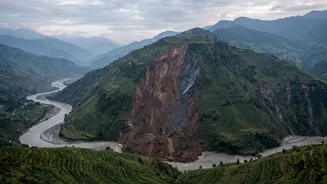
geological pressure builds up immense strain that is periodically released in the form of powerful earthquakes, such as the devastating 7.8 magnitude Gorkha earthquake in 2015. These seismic events not only cause destruction on their own but also severely destabilise the mountainous terrain, triggering a cascade of secondary disasters like landslides and avalanches.
2. A Geographically Fragile Landscape
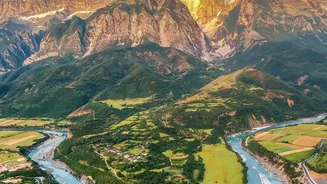
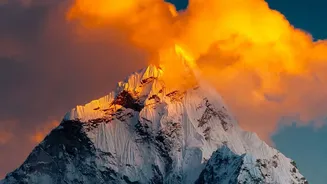
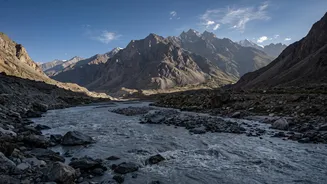
The very mountains that define Nepal also make it incredibly vulnerable. The Himalayas are geologically young, with steep, rugged slopes and deep, narrow valleys. This topography means that when landslides or flash floods occur, they can travel downhill with terrifying speed and force, leaving little time for communities to react. The fragile geology of the mountains makes them naturally prone to erosion and collapse, a situation that is easily aggravated by heavy rainfall or seismic tremors.
3. The Fury of the Monsoon
The monsoon is both a lifeline for Nepal's agriculture-based economy and a bringer of destruction. Between June and September, the country receives over 80% of its total annual rainfall. These intense deluges saturate the soil on the already steep slopes, dramatically increasing the risk of landslides. Simultaneously, rivers swell to dangerous levels, causing widespread flooding, particularly in the flat southern plains known as the Terai.
4. The Growing Threat of Climate Change
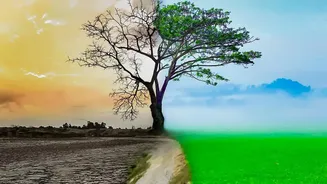
Climate change is acting as a threat multiplier, exacerbating almost every other factor on this list. Rising global temperatures are making monsoon patterns more erratic and extreme, leading to long droughts followed by bursts of destructive rainfall. This unpredictability not only affects agriculture but also increases the frequency and intensity of floods and landslides, pushing Nepal's fragile ecosystems and communities to their breaking point.
5. Glacial Lake Outburst Floods (GLOFs)
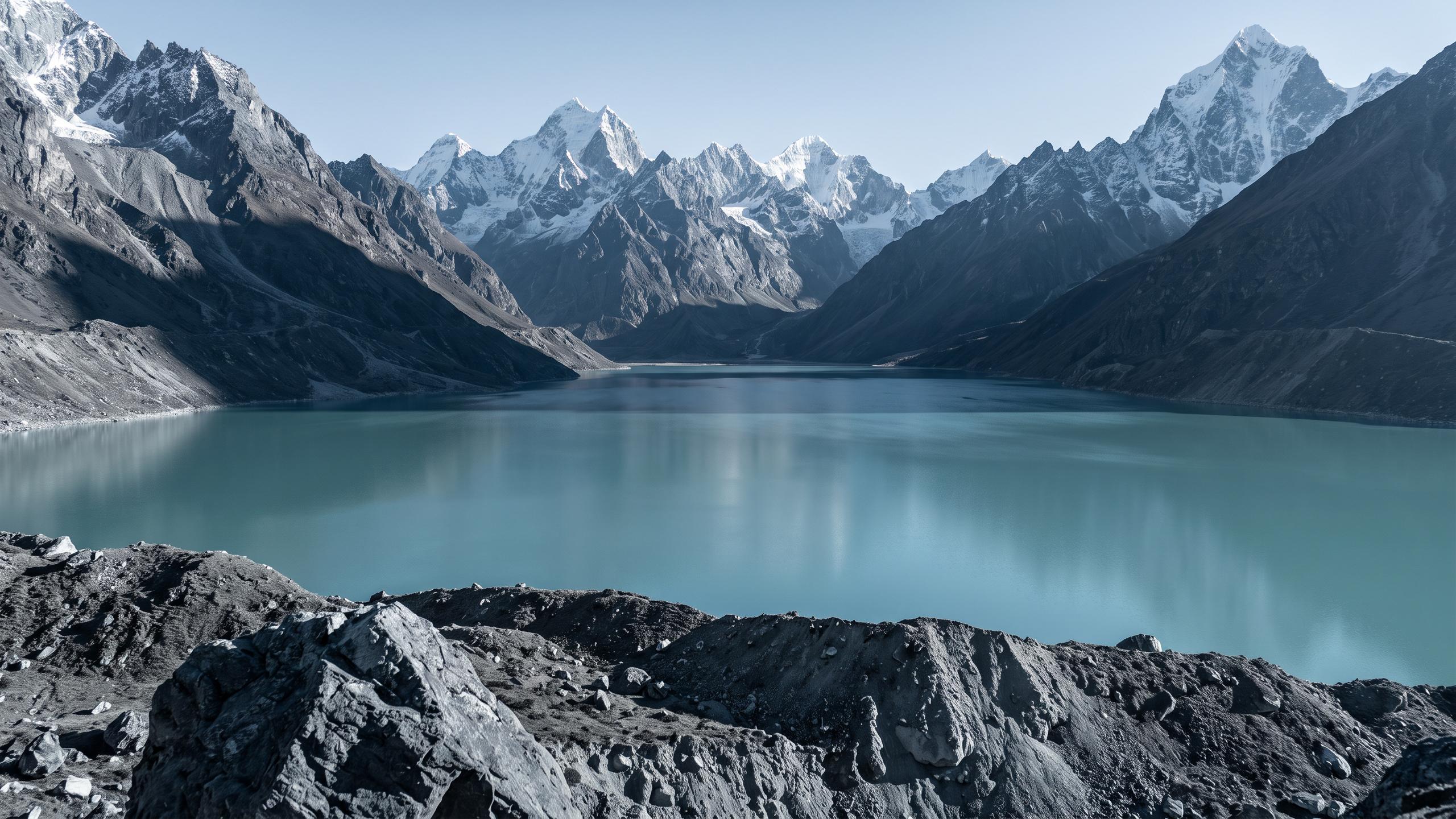
One of the most dangerous consequences of a warming Himalaya is the formation of massive glacial lakes. As glaciers melt at an accelerated rate, they leave behind vast pools of water, often dammed by nothing more than loose rock and soil called moraines. When these unstable dams break, they can release a catastrophic flood of water, ice, and debris downstream. There are dozens of such potentially dangerous lakes in Nepal, posing a silent, growing threat to downstream communities and infrastructure with little to no warning.
6. A Web of Swelling Rivers
Nepal is crisscrossed by more than 6,000 rivers and streams that flow from the high mountains down to the southern plains. While vital for hydropower and irrigation, this extensive river system becomes a network of destruction during the monsoon. Rivers like the Koshi, Gandaki, and Karnali frequently breach their banks, inundating vast swathes of farmland and settlements in the Terai region, which borders India, leading to cross-border disaster scenarios.
7. Deforestation and Land Degradation
For centuries, Nepal's forests have acted as a natural defence, with tree roots binding the soil and stabilising slopes. However, widespread deforestation for agriculture, settlement, and firewood has left many hillsides bare and exposed. Without the protective cover of forests, rainwater runs off the surface, eroding soil and turning slopes into treacherous mudslides. This single human factor significantly worsens the impact of both monsoons and earthquakes.
8. Unplanned Roads and Development
In a rush for development, thousands of kilometres of roads have been hastily carved into Nepal's hillsides, often with little to no engineering oversight. This haphazard construction cuts into fragile slopes, destabilises the terrain, and improperly diverts water, dramatically increasing landslide frequency. These 'informal roads' are often a primary trigger for landslides during heavy rains. Additionally, unplanned urbanisation has led to people building homes in high-risk areas, such as on riverbanks and unstable land.
9. Deep-Seated Socio-Economic Vulnerability
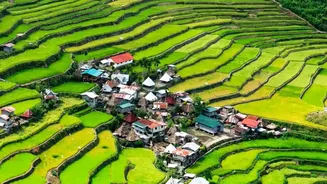
Disasters do not affect everyone equally. In Nepal, poverty and social marginalisation force many families to live in the most dangerous locations, such as precarious slopes and flood-prone river plains, because they have no other choice. These communities have the least capacity to invest in safer housing or to prepare for disasters. This social vulnerability means that when a disaster strikes, the poorest and most marginalised are often hit the hardest and find it most difficult to recover.
10. Gaps in Governance and Preparedness
While Nepal has made strides in creating disaster management policies and agencies, significant challenges remain. Translating plans into effective action on the ground is a constant struggle, hampered by limited resources and difficult terrain. There are critical gaps in early warning systems, particularly for unpredictable events like GLOFs, which can strike without any precursor rainfall. This gap between policy and practice often leaves communities exposed when disaster inevitably strikes.