



The Monsoon's Dual Personality
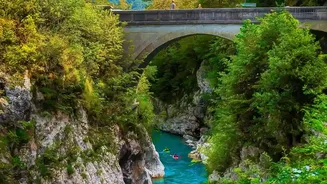
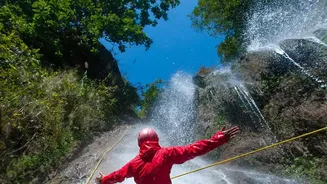
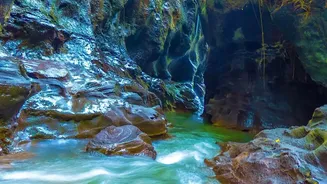
Canyoning in Meghalaya involves navigating river paths by trekking, swimming, rappelling, and jumping over boulders. During the monsoon, this experience is amplified. Waterfalls are at their most spectacular, and the landscape is a vibrant, living green.
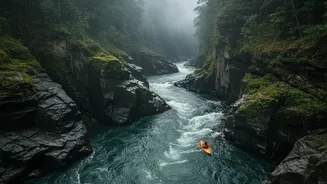
However, this beauty comes with significant risk. The state is home to some of the wettest places on Earth, and rainfall can exceed 300 mm in a single day, causing rivers to swell dangerously and currents to become treacherous. The very thing that makes the scenery dramatic also introduces the greatest hazards for any adventurer.
Reading the Signs: A Guide's Perspective
Experienced local guides are trained to read subtle but critical signs of changing conditions. The primary danger is not just the volume of water but the speed at which it can rise. A flash flood in a narrow canyon can occur with little warning. Guides constantly monitor the weather, not just locally but upstream. They watch for changes in water colour—a shift to muddy brown can signal a surge of water and debris from upstream. They listen for the sound of the river; a sudden roar can indicate an approaching wall of water. This deep, on-the-ground knowledge is something no tourist can replicate and is why hiring a certified local guide is non-negotiable, especially during the monsoon.
Flash Floods: The Silent Threat
Flash floods are the single most significant threat in canyon environments. Heavy rainfall, even miles away, can funnel massive amounts of water into the narrow gorges you are traversing. In Meghalaya's complex river systems, water levels can rise feet in mere minutes, turning a manageable stream into a raging torrent. Guides are trained to identify escape routes—high ground that can be reached quickly in an emergency. A key piece of their advice is to always be aware of your surroundings and potential exits. Never enter a canyon if heavy rain is in the forecast, and always trust a guide's decision to cancel a trip.
Essential Safety Protocols
According to official advisories and guide practices, several safety rules are paramount. Always go with a reputable, certified tour operator who provides proper safety equipment, including helmets, harnesses, and ropes. Never explore alone. Stay on marked trails and avoid taking shortcuts or leaning over steep drops. It's crucial to choose a canyoning route that matches your fitness and skill level, as these trips can be physically demanding. Guides emphasize that your most important skill is knowing when to say no. If conditions feel unsafe or you are exhausted, turning back is the smartest and safest decision you can make.
Dressing for the Plunge
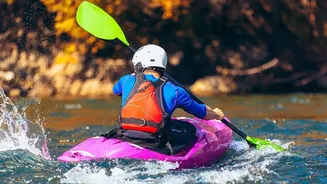
Proper gear is not just for performance; it's for survival. Guides insist on sturdy footwear with excellent grip to handle slippery, moss-covered rocks. Quick-dry clothing is essential, as cotton stays wet, saps body heat, and can lead to hypothermia even in a tropical climate. A helmet is mandatory to protect against falling rocks or slips. Waterproof bags for electronics and personal items are also highly recommended. Following guide-approved packing lists ensures you are prepared for the challenging and ever-changing environment of a monsoon canyon.