



A Symphony in the Forest
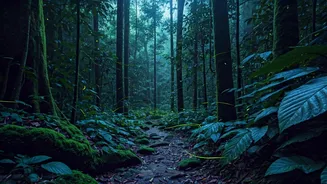
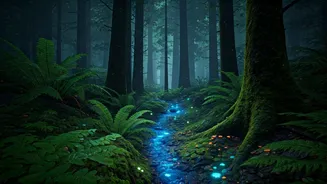
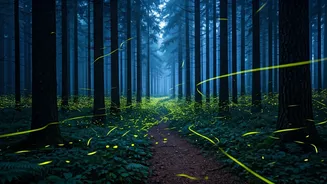
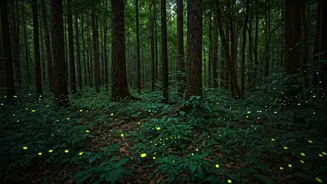
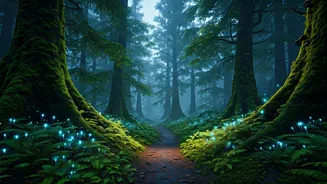
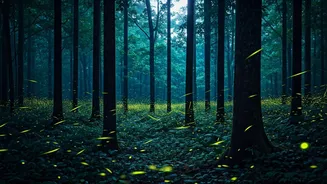
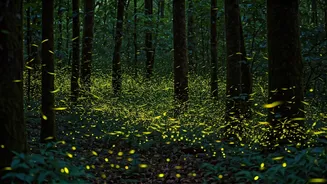
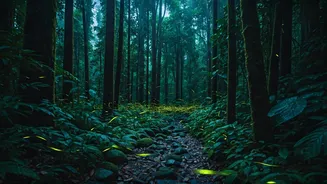
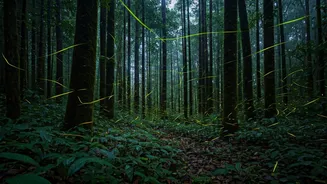
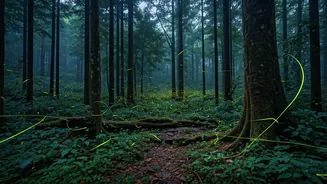
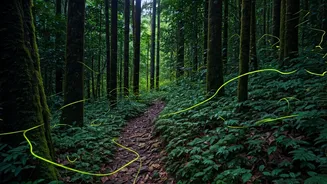
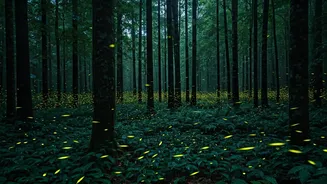
For a few precious weeks before the monsoon arrives, select pockets of the Western Ghats come alive with one of nature’s most enchanting displays. This isn’t just a few stray fireflies winking in the dark; it's a coordinated symphony of light. Huge congregations
of male fireflies gather on trees, flashing in near-perfect synchrony to attract females. The result is a breathtaking phenomenon where entire trees and stretches of forest seem to breathe with light, pulsing rhythmically against the inky blackness of the night. This annual mating ritual turns the dense foliage into a living canvas of fleeting, golden sparks, an experience that feels both ancient and profoundly magical.
The Pre-Monsoon Spectacle
This mesmerising event is intrinsically linked to the seasons. The peak congregation period typically occurs from late May to mid-June, in the hot, humid days that precede the first monsoon showers. This specific window provides the ideal conditions for the fireflies to complete their life cycle. While the phenomenon can be observed in several locations along the Ghats, some areas have become renowned for these displays. Villages like Purushwadi in Maharashtra have become famous for their community-run firefly festivals. Other hotspots include the Bhimashankar Wildlife Sanctuary, parts of the Chorla Ghats bordering Goa and Karnataka, and forested areas in the Amboli-Dodamarg corridor. Each location offers a slightly different experience, but all share the same awe-inspiring bioluminescent dance.
More Than Just a Pretty Sight
The sparkle of a firefly is more than just beautiful; it's a vital sign of a healthy ecosystem. Fireflies, which are actually beetles, are sensitive bio-indicators. Their presence signifies clean water, minimal light pollution, and a thriving forest floor where their larvae can feed on snails and slugs. The light they produce, through a chemical reaction called bioluminescence, is their language of love—a complex system of flashes used to find and woo a mate. However, these delicate insects are under threat from habitat loss, rampant construction, pesticide use, and, increasingly, from artificial light. The headlights of cars and the bright flashes from mobile phones can disrupt their mating signals, confusing the beetles and jeopardising the survival of the next generation.
The 'Eco' in Eco-Walk
This is where guided eco-walks become crucial. As word of the firefly spectacle has spread, many of these fragile habitats have faced an onslaught of unregulated tourism, with crowds, traffic, and noise threatening the very phenomenon people come to see. In response, conservation groups and local communities have organised structured eco-walks that prioritise the well-being of the fireflies. These walks are led by local guides who understand the forest and the insects' behaviour. They enforce strict rules: no bright torches (guides often use faint lights covered with red cellophane, which is less disruptive), no flash photography, no loud music, and a strict 'leave no trace' policy. The goal is to allow people to witness the magic without destroying it, turning tourism into a tool for awareness rather than a threat.
A Community-Led Conservation Story
These guided walks often do more than just protect the fireflies; they empower local communities. In places like Purushwadi, homestays and guide services provide villagers with a sustainable livelihood that is directly linked to the health of their environment. When local people benefit from conservation, they become its most passionate guardians. Visitors who opt for these community-run initiatives are not just buying a ticket for a walk; they are investing in a conservation model that values indigenous knowledge and supports the local economy. It creates a powerful cycle where tourism funds the protection of the natural asset, ensuring that the fireflies will continue to light up the forests for generations to come.