





The Rise of 'Slow Travel'
The decision to choose a 12-hour train ride over a 90-minute flight isn't about inefficiency; it's a deliberate embrace of 'slow travel'. This philosophy prioritizes the journey itself, not just the destination. For many young professionals facing workplace
burnout, the train offers a welcome disconnect. It's a space to unwind, read, listen to music, and watch the world go by without the pressure of a packed itinerary. Instead of arriving at a destination exhausted by the airport hustle, they arrive rested and already immersed in the region's atmosphere. This trend reflects a broader shift where travelers, especially Gen Z and millennials, seek more meaningful and restorative experiences.
A Window to Breathtaking Landscapes
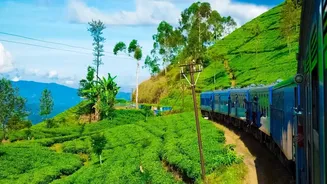
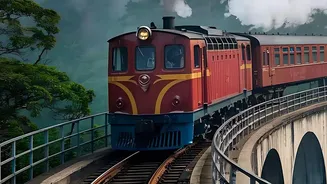
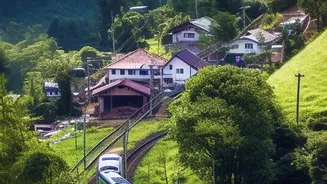
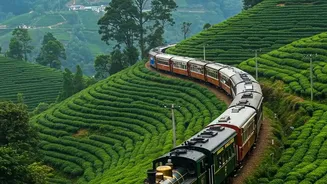
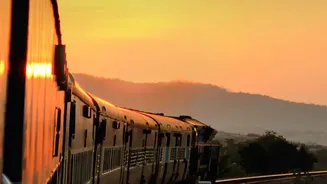
South India's railway network offers a front-row seat to some of the country's most stunning vistas. These are views you simply cannot get from 30,000 feet. The journey from Mettupalayam to Ooty on the Nilgiri Mountain Railway, a UNESCO World Heritage site, is a prime example. The iconic blue 'toy train' slowly climbs steep hills, navigating over 250 bridges and through 16 tunnels, revealing sprawling tea estates and dense forests. Another favourite is the sea-spanning ride from Chennai to Rameswaram, which crosses the historic Pamban Bridge, offering panoramic views of the ocean on both sides. Journeys along the Konkan coast, like from Kochi to Margao, showcase a vibrant tapestry of coconut groves, winding rivers, and glimpses of the Arabian Sea.
The Compelling Cost Advantage
Practicality plays a huge role in this decision. For budget-conscious young travelers, the economic argument for trains is undeniable. A train ticket, even in a comfortable AC chair car or sleeper class, is often significantly cheaper than a flight. While a last-minute flight can cost thousands, a train fare remains relatively stable and affordable. The savings extend beyond the ticket price. Train travel eliminates the need for expensive airport taxis, which often operate on the outskirts of cities, and allows for more generous luggage without extra fees—a major plus for longer trips. An overnight train journey also saves on the cost of a hotel for one night, a clever hack that seasoned backpackers have used for decades.
An Authentic Social Experience
Unlike the sterile and solitary environment of air travel, Indian trains are vibrant social spaces. A long journey fosters a unique sense of camaraderie among passengers. Sharing home-cooked meals with strangers, striking up conversations that last for hours, and playing games with fellow travelers are common experiences. This social aspect offers a more authentic cultural immersion, turning travel into an opportunity for genuine human connection. It's a space where stories are exchanged and friendships are formed, creating memories that are as lasting as the destinations themselves.
The Sustainable Choice
As environmental awareness grows, many young travelers are factoring their carbon footprint into their plans. Train travel is widely recognized as a more sustainable option compared to flying. On average, rail travel emits significantly less carbon dioxide per passenger than air travel, with some estimates suggesting it can be up to 90% cleaner. For a generation increasingly concerned with climate change, choosing the train is a conscious decision to travel more responsibly. This aligns with a desire to preserve the very landscapes they are journeying to see, making the eco-friendly choice an integral part of the travel experience itself.