



The Late Monsoon Challenge
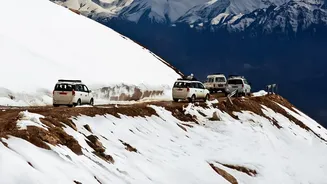
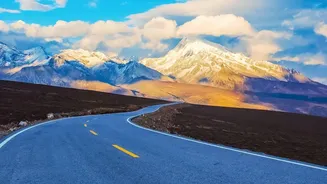
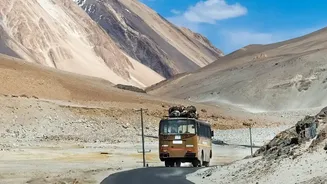
Driving the Manali-Leh highway between August and September is a unique experience. While the peak summer crowds have thinned, the monsoon's lingering effects create specific hazards. The primary challenge comes from water crossings, or 'nalas', which
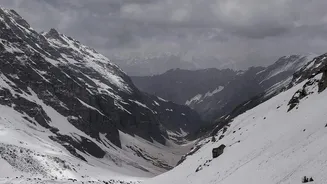
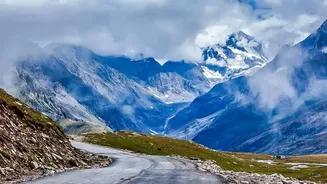
swell to powerful torrents in the afternoon as the day's sun melts glaciers. Landslides are a persistent risk, especially on the stretch between Manali and Keylong, which can lead to temporary road closures. Furthermore, as you ascend to the high passes like Baralacha La, the combination of moisture and plunging temperatures can create treacherous black ice, especially during early mornings. This season demands a vehicle that is not just roadworthy, but prepared for extreme and unpredictable conditions.
Engine and Fluids: Your Vehicle's Lifeline
At high altitudes, engines work harder due to the thin air. Before you start, a full service is non-negotiable. Pay special attention to your engine oil; using fresh, high-quality synthetic oil provides better protection under the strain of steep climbs. Your cooling system is equally critical. Engines can overheat easily on long ascents, so ensure your coolant is topped up with an appropriate antifreeze mixture and check all hoses for leaks or cracks. Don't overlook brake fluid. Continuous braking on descents heats the system, and old fluid can lead to brake failure. A complete fluid flush is a wise investment.
Tyres, Brakes, and Suspension
Your tyres are the only point of contact with treacherous terrain. Standard highway tyres are not sufficient. Equip your vehicle with All-Terrain (A/T) tyres that have deep treads for better grip on gravel, mud, and slippery surfaces. Ensure they are in excellent condition, with no less than 70-80% tread life remaining. A thorough brake inspection is crucial; replace worn brake pads, as you will rely on them heavily. The constant battering from broken roads and unpaved sections also puts immense stress on your suspension. Have it checked for any weaknesses to avoid a trip-ending failure in a remote area.
Electrical Systems and Battery Health
Cold temperatures, especially overnight at high-altitude stops like Sarchu or Pang, can dramatically reduce your battery's effectiveness. Ensure your battery is healthy and holds its charge well. A weak battery might leave you stranded. Check that your alternator is functioning correctly to keep the battery charged during long drives. All lights—headlights, fog lamps, and indicators—must be in perfect working order, as visibility can drop suddenly with rain or fog. It’s also wise to know the location of your vehicle's fuse box and carry spare fuses for essential components.
The Essential High-Altitude Toolkit
Beyond a standard toolkit, the Manali-Leh route requires a specific set of emergency supplies. A portable tyre inflator and a quality puncture repair kit are absolute must-haves, as punctures are common. Carry a sturdy tow rope, jump-start cables, and a basic set of spare parts like belts and filters. Given the scarcity of fuel stations after Keylong, carrying extra fuel in a safe jerry can is essential. Also, pack a shovel, which can be invaluable if you get stuck in mud or slush.
Driver Preparedness and Acclimatisation
Preparing the car is only half the battle. The driver must also be prepared for the physical demands of high altitude. Acute Mountain Sickness (AMS) is a serious risk. Plan your itinerary to allow for gradual acclimatisation, with an overnight stop in Keylong or Jispa before ascending higher. Stay hydrated by drinking plenty of water, and avoid alcohol. Carry a first-aid kit with basic medications for headaches, fever, and motion sickness, as well as any prescription medications for AMS after consulting your doctor. A well-rested and acclimatised driver is the most important safety feature of all.