



Beyond the Usual Food Fair
For years, the term 'food festival' might have conjured images of crowded fields, popular snacks, and familiar brand sponsorships. But a new wave is redefining the experience. These heritage food festivals prioritise authenticity over commercial appeal,
offering a platform for cuisines that rarely feature on mainstream restaurant menus. Instead of simply serving food, they serve stories. The focus is on immersive discovery, connecting attendees with the history, culture, and people behind each dish. They are cultural gatherings that celebrate everything from harvest seasons to hyper-local community traditions, offering a chance to interact with home cooks and food artisans who are the true custodians of India's culinary soul.
A Taste of Home-Cooked History
At the heart of this movement is the revival of family recipes passed down through generations. These are the dishes that carry memories of festive gatherings, seasonal rituals, and the distinct touch of a family kitchen. In Mumbai, a recent pop-up celebrated the 700-year-old culinary traditions of the Pathare Prabhu community, one of the city's earliest settlers. In Jaipur, a heritage hotel curates a dining experience based entirely on the 'lost recipes' from the owner's grandmother’s kitchen, seeing each dish as a time capsule. This trend elevates home cooks to the status of cultural preservationists, as their knowledge is often the last bastion against the homogenisation of food. These events are not just about eating; they are about honouring the lineage and love baked into every meal.
Celebrating India's Diverse Palate
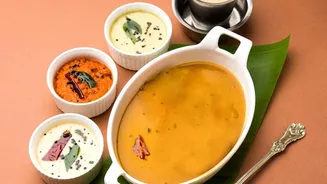
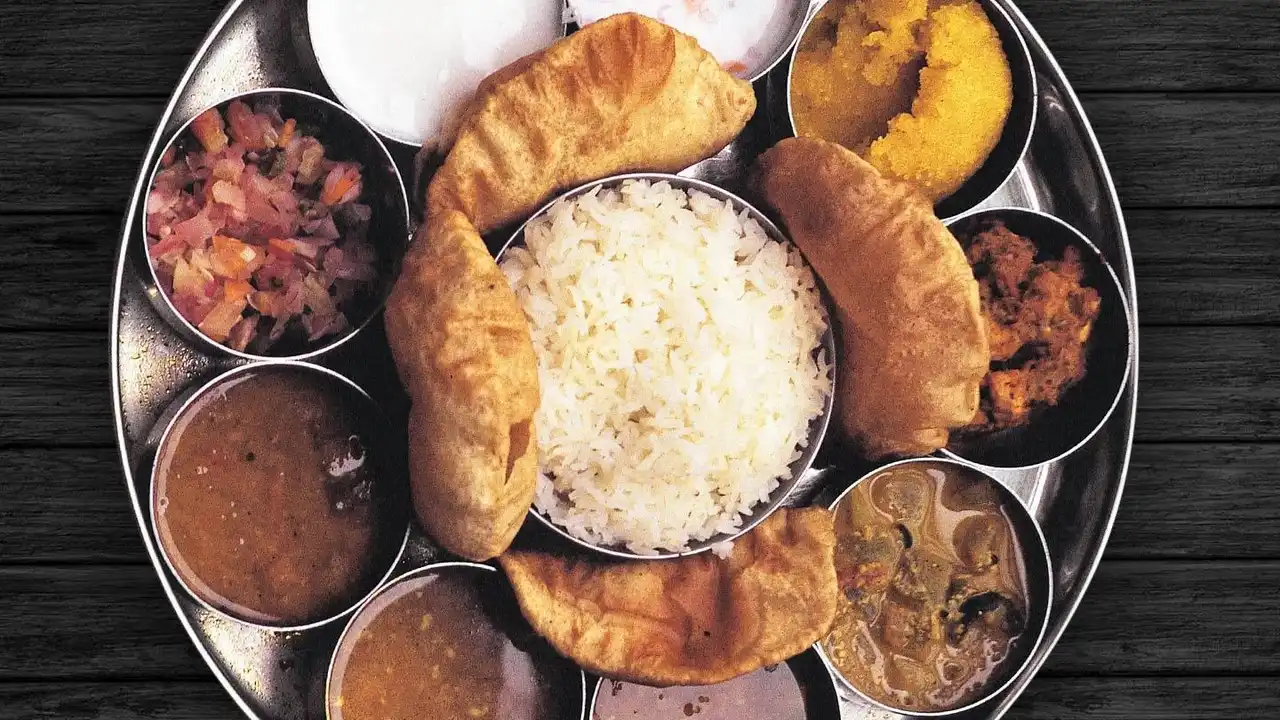
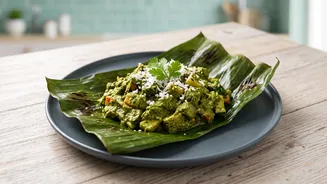
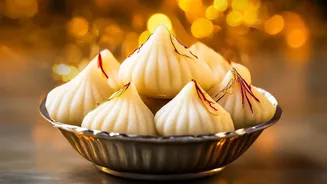
This new wave of festivals shines a spotlight on the staggering diversity of Indian food, going far beyond the well-trodden path of butter chicken and biryani. Events like Mumbai’s Wild Food Festival bring tribal communities and city dwellers together to celebrate the indigenous wild foods of Maharashtra, showcasing the culinary heritage of the Kokni, Warli, and Bhil communities. Elsewhere, festivals dedicated to the ancient art of fermentation, like the Desi Cultures festival, explore indigenous practices and foods such as kanji, kaladi, and kinema. Hotels are also joining in, with curated events like 'The Great Indian Biryani Trail' which explores distinct regional variations from Hyderabadi to Malabar styles, proving that even a familiar dish has countless local identities waiting to be discovered.
A Hunger for Authenticity
So, why is this happening now? Several factors are feeding this hunger for heritage. For one, culinary tourism has become a major force, with travellers increasingly planning entire trips around unique food experiences that connect them to local culture. There's a growing fatigue with globalised, generic food, leading to a desire for flavours that are real, rooted, and have a story to tell. Social media also plays a significant role; a single, well-shot reel can introduce a Naga pork curry to an audience in Mumbai, creating curiosity and demand. Furthermore, some experts believe this is a way of reconnecting with our cultural identities, using food as a delicious tool to explore and honour where we come from.
More Than Just a Meal
The impact of these festivals extends far beyond the plate. They are becoming vital for cultural preservation. By providing a platform for 'lost' or lesser-known recipes, they help document and revive culinary traditions that might otherwise fade away. This movement also has a powerful economic benefit, creating new livelihood opportunities for local communities and boosting regional economies by attracting tourists specifically interested in food. But perhaps the most important contribution is the sense of pride and recognition it gives to regional cuisines. As some food writers note, the goal is to move beyond a passing trend and build lasting respect for the cooks and communities who have preserved these traditions for generations.