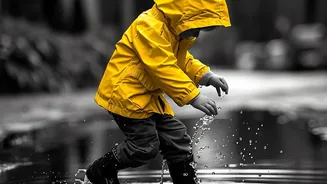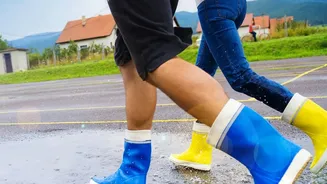




The Foundation: Grip is Non-Negotiable
For years, the main defence against slippery streets was a basic rubber sole. The 2026 approach is far more advanced. Footwear brands are now incorporating materials and designs once reserved for high-performance hiking gear into daily-wear shoes. Look
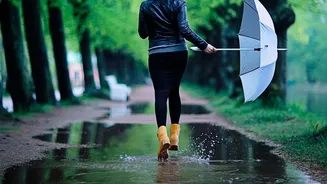
for outsoles made from high-traction rubber compounds or those with an anti-skid design. These soles feature deep lugs and specifically engineered patterns, sometimes called siping, which work to channel water away from the point of contact, drastically improving your grip on wet, treacherous surfaces. This focus on a secure footing is the most critical shift, ensuring that your stylish shoes are also your safest bet during a downpour.
Rethinking Comfort: Beyond Just a Soft Footbed
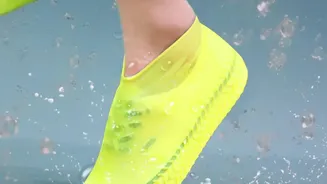
Monsoon comfort isn't just about cushioning; it's about moisture management. The problem with traditional waterproof shoes, like solid rubber boots, is that they trap sweat, leading to discomfort. The new wave of rainwear champions breathability. Look for shoes with waterproof membranes, which have microscopic pores that are small enough to block water droplets from entering but large enough to let sweat vapour escape. Materials like PVC, EVA, and modern synthetic fabrics are prized for their quick-drying abilities, meaning you won't be squelching around for hours after a sudden splash. This dual approach of keeping rain out while letting moisture from your feet escape is the key to all-day comfort in humid conditions.
Smarter Materials, Better Performance
The material of your shoe is its first line of defence. While rubber and PVC remain popular for their complete waterproofing, the trend is moving towards more sophisticated options. Synthetics like nylon and polyester are now frequently bonded with waterproof membranes, offering a lightweight and flexible alternative. Even leather is getting a monsoon-friendly update with advanced water-repellent treatments that maintain its classic look without the risk of water damage in light drizzles. For heavier downpours, look for shoes with seamless construction, which eliminates the stitched weak points where water often seeps in. These advanced materials ensure your footwear is not just water-resistant but truly ready for the rain.
The Convergence of Style and Function
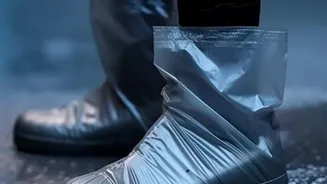
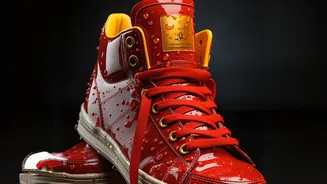
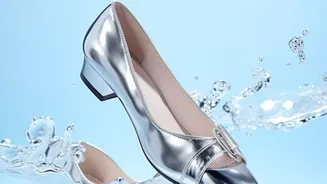
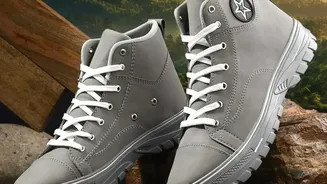
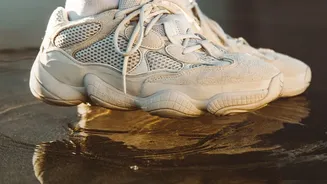
Perhaps the most welcome change in 2026 is that you no longer have to choose between looking good and staying dry. Designers are integrating these functional technologies into a wide array of fashionable styles. Waterproof sneakers have become a staple, offering the comfort of a trainer with the protection of a rain boot. Clogs, once purely practical, are now a fashion-forward choice, celebrated for their durability and comfort. We're also seeing a rise in stylish PVC or jelly sandals and flats, which bring a retro, playful element to a rainy-day outfit while being incredibly practical. Even formal options like PVC brogues for men and water-resistant ballet flats for women mean you can head to the office or a social event without a single worry about the weather.