






What Exactly Is Space Medicine?
Space medicine is a specialized field focused on the health, safety, and performance of astronauts. It's not just about having a doctor on call; it's about proactively understanding and mitigating the intense physical and psychological toll that space
travel takes on the human body. This includes everything from astronaut selection and medical training to developing countermeasures for the harsh effects of microgravity and radiation. The goal is to ensure crew members can not only survive but also function effectively during their missions and return to Earth in good health.
The Gaganyaan Impetus
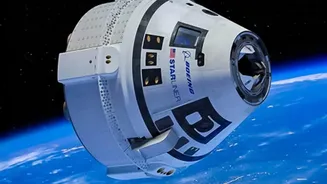
For decades, the Indian Space Research Organisation (ISRO) has masterfully sent satellites and robotic missions into space. However, sending humans is an entirely different challenge. The upcoming Gaganyaan mission, India's first crewed spaceflight, is the primary driver behind the nation's intensified focus on space medicine. While rockets and capsules are marvels of engineering, the success of a human mission depends entirely on the well-being of the crew inside. This has made developing indigenous expertise in space medicine a national priority, leading to strategic partnerships to build this crucial capability.
The Unique Health Challenges of Space
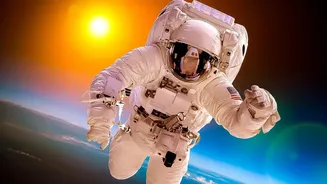
The human body evolved in Earth's gravity, and taking it away has profound consequences. In microgravity, astronauts face a barrage of health issues. Bones lose density at a rate of 1% to 2% per month, similar to accelerated osteoporosis. Muscles, no longer needing to support the body, begin to atrophy. The cardiovascular system deconditions as the heart doesn't have to pump as hard. Fluids shift towards the head, causing congestion and vision problems. Beyond that, astronauts are exposed to significantly higher levels of space radiation, increasing long-term cancer risk, and face psychological stress from isolation and confinement. Addressing these challenges is the core task of space medicine.
A Landmark Collaboration: ISRO and AIIMS
To tackle these complex medical challenges, ISRO has partnered with the All India Institute of Medical Sciences (AIIMS), New Delhi. This landmark agreement, signed in March 2026, formalizes a collaboration to advance research in the field. AIIMS will bring its vast medical expertise to study the effects of space on human physiology, including cardiovascular health, musculoskeletal changes, immunology, and behavioral health. The partnership will involve both ground-based studies, such as bed-rest simulations that mimic microgravity, and future space-based research to develop protocols and medical devices to ensure astronaut safety.
Benefits That Come Down to Earth
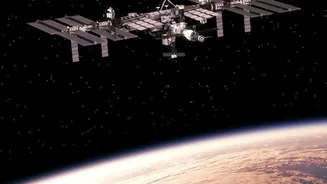
The research isn't just for the benefit of a few astronauts. Studying the accelerated aging-like effects of space on the body provides invaluable insights into conditions that affect millions on Earth, such as osteoporosis, muscle wasting, and circulatory problems. Technologies developed for space, like remote health monitoring and compact medical devices, have direct applications in telemedicine, improving healthcare access in remote areas. Innovations in water purification for space stations can also be adapted for use on the ground. This collaboration is expected to spur new medical innovations that benefit the entire nation.