




Unmasking India's Hidden Hunger
Hidden hunger is not the starvation we see in headlines. It's a more insidious crisis of micronutrient deficiencies. A person can eat three full meals a day, consuming enough calories, but still lack the essential vitamins and minerals—like iron, zinc,
and Vitamin A—that are vital for physical and cognitive development. In India, the problem is alarmingly widespread, affecting a vast portion of the population, with women and children being the most vulnerable. This deficiency leads to serious public health issues, including high rates of anaemia, compromised immunity, and impaired growth in children, silently undermining the nation's human potential.
The Green Revolution's Shadow
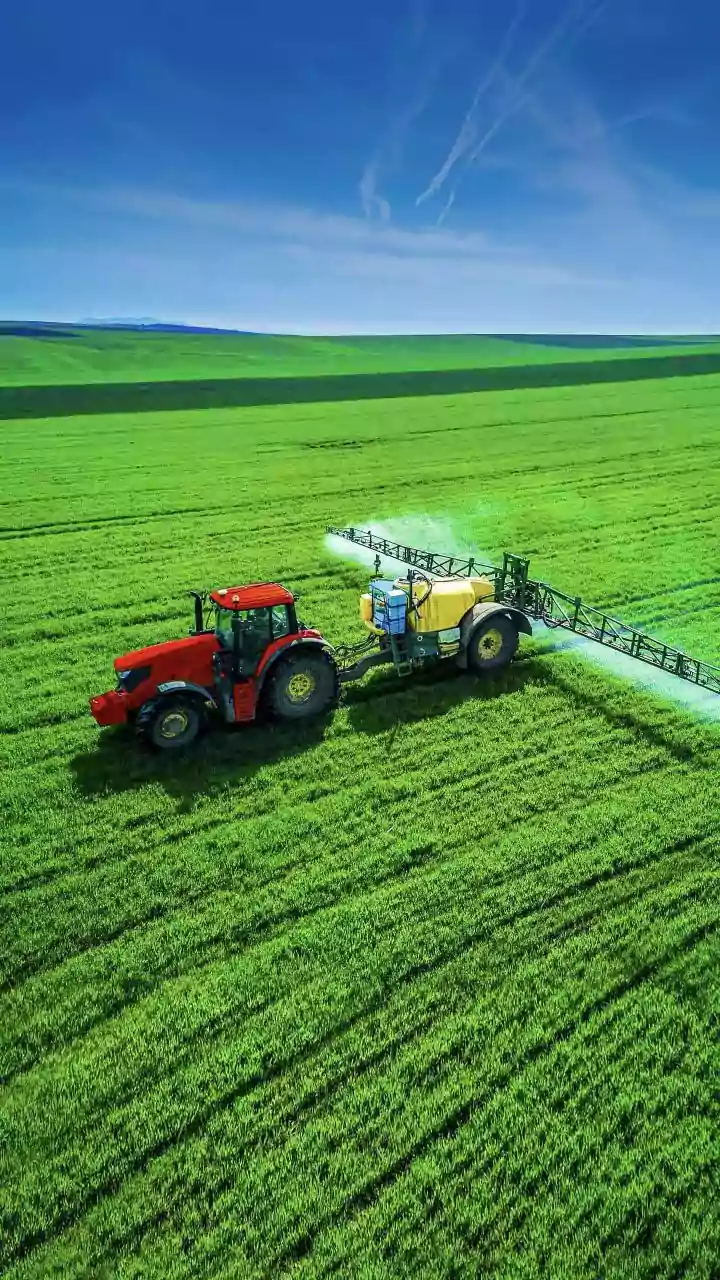
To understand today's nutritional landscape, we must look back at the Green Revolution of the 1960s. This agricultural movement was a monumental success in making India self-sufficient in food grains. By promoting high-yielding varieties of wheat and rice, it pulled the country back from the brink of famine. But this success came with an unintended consequence: a dramatic shift towards monoculture. The intense focus on these two staples pushed out countless varieties of traditional, nutrient-dense crops like millets, pulses, and local vegetables. Over decades, our farms became less diverse, and consequently, so did our plates, leading to a diet rich in calories but poor in essential micronutrients.
A New Philosophy: Nutrition-Sensitive Farming
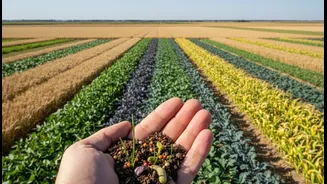
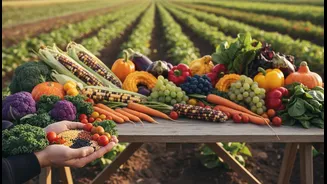
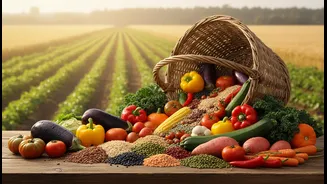
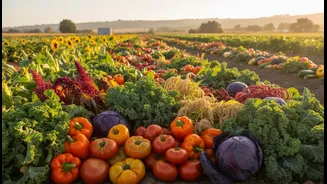
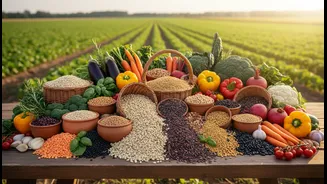
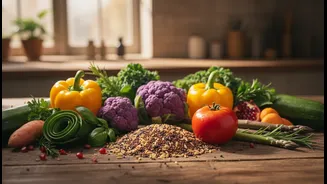
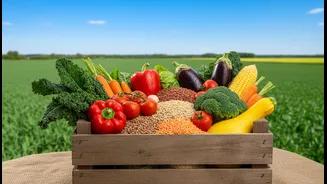
Nutrition-sensitive farming presents a powerful solution. It's a fundamental shift in perspective: from viewing agriculture solely as a means to produce quantity, to seeing it as the primary tool for delivering health and nutrition. This approach encourages farmers to move beyond monocultures and re-introduce diversity onto their farms. This could mean planting a mix of cereals, pulses, vegetables, and fruits, integrating livestock, or maintaining kitchen gardens for household consumption. The goal is to create a food system where the journey from farm to plate delivers not just calories, but a wide spectrum of nutrients required for a healthy life. It aligns agricultural practices with public health goals.
The Power of the Plate
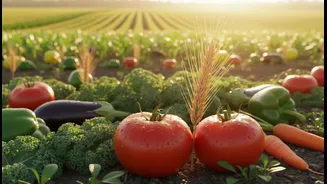
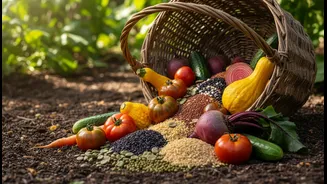
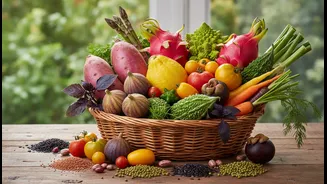
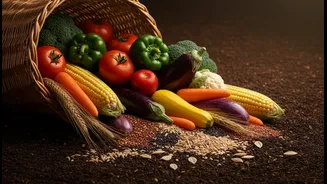
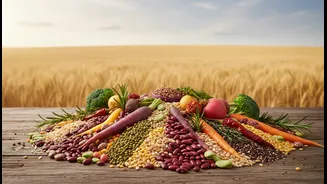
The benefits of bringing crop diversity back are tangible. Consider millets, often called 'nutri-cereals'. These hardy grains are packed with iron, protein, and fibre, directly combating some of the most common deficiencies contributing to hidden hunger. Pulses like lentils and chickpeas are rich in protein and, when paired with cereals, provide a complete amino acid profile. Local and seasonal vegetables and fruits offer a bounty of vitamins. By encouraging the cultivation and consumption of these foods, we can create a more resilient and nutritious food basket. This isn't about discovering new superfoods, but rather reviving the wisdom embedded in India's traditional dietary patterns and agricultural heritage.
Challenges on the Road Ahead
The transition to nutrition-sensitive farming is not without challenges. Decades of policies, including the Minimum Support Price (MSP) system, have heavily favoured wheat and paddy, creating a market structure that makes it difficult for farmers to switch to alternative crops. Lack of awareness, weak market linkages for diverse crops, and access to the right seeds and training are significant hurdles. However, the momentum is shifting. The government is promoting crop diversification through initiatives like the Crop Diversification Programme (CDP) and the National Food Security & Nutrition Mission (NFSNM), which encourage farmers to plant pulses, oilseeds, and millets. These policies are a crucial first step in rebalancing our agricultural priorities.