



The Ultimate Travel Companion
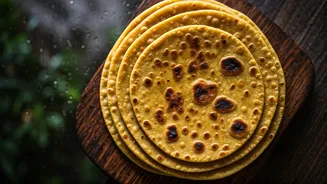
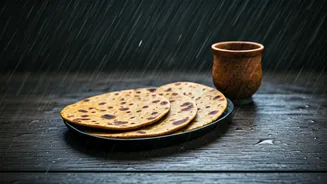
For the uninitiated, a thepla is a soft, spiced flatbread from Gujarat, typically made with whole wheat flour, gram flour (besan), fenugreek leaves (methi), and a medley of spices like turmeric, red chilli powder, and asafoetida. But to call it just a flatbread is to miss
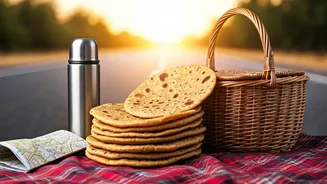
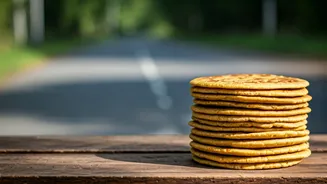
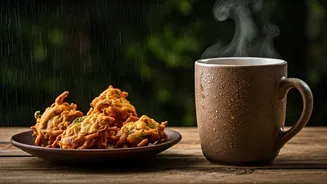
the point entirely. Thepla is not merely food; it’s a travel-ready package of comfort, convenience, and culture. It’s the snack that asks for nothing—no reheating, no elaborate side dishes, no special storage—yet gives so much. It pairs beautifully with a simple pickle, a dollop of yoghurt, or even just a hot cup of chai from a roadside stall, making it the most versatile and low-maintenance travel partner you could ask for.
Engineered for the Journey
The genius of the thepla lies in its design. This isn't just a happy accident; it's the result of generations of culinary wisdom aimed at creating food that can withstand long journeys without refrigeration. The secret is in the ingredients and the preparation. The dough is kneaded with oil or yoghurt instead of water, which acts as a natural preservative and keeps the flatbread soft for days. The addition of dried or fresh fenugreek leaves not only adds a distinct, slightly bitter flavour but also contributes to its shelf life. Each thepla is cooked with a generous amount of oil, which creates a protective layer that prevents it from drying out or spoiling quickly. This makes it the perfect food to pack for train journeys, long road trips, or even international flights, ensuring a taste of home is never far away.
A Taste of Comfort and Home
Beyond its practical benefits, the thepla holds deep emotional resonance. Unwrapping a stack of theplas on a journey is like unpacking a little bit of home. It’s the flavour of a mother’s or grandmother’s kitchen, a tangible piece of their care and effort packed just for you. The aroma itself—a mix of toasted flour, earthy methi, and warm spices—can transport you back to childhood. In the cool, damp air of the monsoon, when cravings for something savoury and comforting are at their peak, biting into a soft, flavourful thepla is profoundly satisfying. It’s a simple pleasure that provides a sense of security and familiarity, no matter how far from home you are. It’s the food equivalent of a warm hug on a rainy day.
The Monsoon Snack Ecosystem
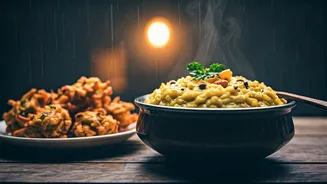
The monsoon season in India has its own culinary landscape. It’s a time for hot, fried pakoras, steaming samosas, and roasted corn on the cob (bhutta), all typically enjoyed with a cup of masala chai. While these snacks are delicious, they are fleeting pleasures, best eaten fresh and hot. The thepla, however, occupies a unique space in this ecosystem. It’s not an impulse snack; it’s a planned one. It’s the reliable backbone of a travel food pack, ready to be deployed whenever hunger strikes. While pakoras are for stopping and savouring the rain, theplas are for moving through it. They are the fuel for the journey itself, a constant, dependable comfort that complements the spontaneous joy of other monsoon treats.
More Than Just Food, It's a Ritual
Sharing food is an integral part of any Indian journey. The moment a tiffin box is opened on a train, it’s an open invitation for fellow passengers to partake. In this ritual of sharing, theplas are a star player. They are easy to share, easy to eat, and universally liked. Offering a thepla to a stranger is a gesture of goodwill, a way to build a fleeting but warm connection. It breaks the ice and turns a compartment of strangers into a temporary community. This act of sharing elevates the thepla from a mere snack to a social lubricant, a vehicle for the casual camaraderie that defines so much of Indian travel.