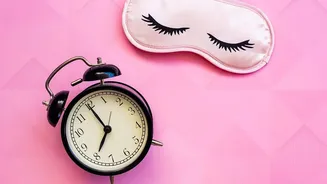








Understanding Your Body’s Master Clock
Deep inside your brain is a 'master clock' known as the circadian rhythm. This 24-hour internal cycle tells your body when to feel awake, when to feel sleepy, and when to perform other essential functions like releasing hormones and digesting food. It’s
designed to sync with the natural pattern of daylight and darkness. When you work late nights or rotating shifts, you force your body to operate against this ancient, built-in programming. This mismatch is what leaves you feeling groggy, fatigued, and out of sorts.
The Clash: Modern Work vs. Ancient Rhythms
For professionals in India’s thriving IT, BPO, and healthcare sectors, this clash is a daily reality. Working through the night or on unpredictable rotations can lead to what’s known as Shift Work Sleep Disorder (SWSD). Studies on Indian professionals, particularly in the IT sector, show alarming rates of poor sleep quality, with some finding that a huge percentage of night-shift workers suffer from it. This isn't just about feeling tired; chronic disruption of your body's clock is linked to serious health risks, including metabolic disorders like diabetes, cardiovascular problems, and mental health issues like depression and anxiety.
Why Light Is the Most Important Signal
The single most powerful cue for your circadian rhythm is light. Exposure to bright light tells your brain to be awake and alert. Conversely, darkness signals that it’s time to produce melatonin, the hormone that helps you sleep. When a night shift worker leaves the office at 7 AM and steps into bright morning sunlight, their brain gets a powerful 'wake up' signal right when they need to be winding down. Similarly, staring at bright screens late at night tricks your brain into thinking it's still daytime, suppressing melatonin and making it harder to fall asleep.
Mastering Your Light Exposure: A Game Plan
Taking control of your light environment is the first and most effective step. If you work nights, wear dark sunglasses on your commute home to block out morning sunlight. This simple trick helps tell your brain that your 'day' is ending. Once home, make your bedroom a cave. Use blackout curtains or even dark chart paper to block all incoming light. An eye mask can cover any remaining gaps. Conversely, when you need to wake up before an evening shift, expose yourself to bright light immediately to kickstart your body clock.
Building a Sleep Routine, Even Without One
Consistency is your best friend. Even on your days off, try to stick as closely as possible to your shift-work sleep schedule. This helps regulate your body's clock. Create a 'wind-down' ritual for at least 30-60 minutes before you plan to sleep, no matter the time of day. This means no screens—no phones, no TV, no laptops. Instead, try reading a book under dim, warm light, listening to calming music, or taking a warm shower. This routine signals to your body that sleep is coming, which can be particularly helpful after a stressful night of work.
Food, Fitness, and Naps as Supporting Acts
Your lifestyle habits also send signals to your body clock. Try to eat your main meals at roughly the same times each day. Avoid heavy meals or excessive caffeine several hours before you intend to sleep. Strategic napping can also be a powerful tool. A short 20-30 minute nap before your shift can boost alertness without making you feel groggy or interfering with your main sleep period later. Regular exercise is also beneficial, but try to avoid intense workouts close to your bedtime as they can be stimulating.