


A New Vision for Indian Tourism
The government is actively promoting a destination-centric and experience-based tourism model through initiatives like 'Dekho Apna Desh 2.0' and a revamped 'Swadesh Darshan' scheme. The core idea is to move beyond just sightseeing and encourage travellers
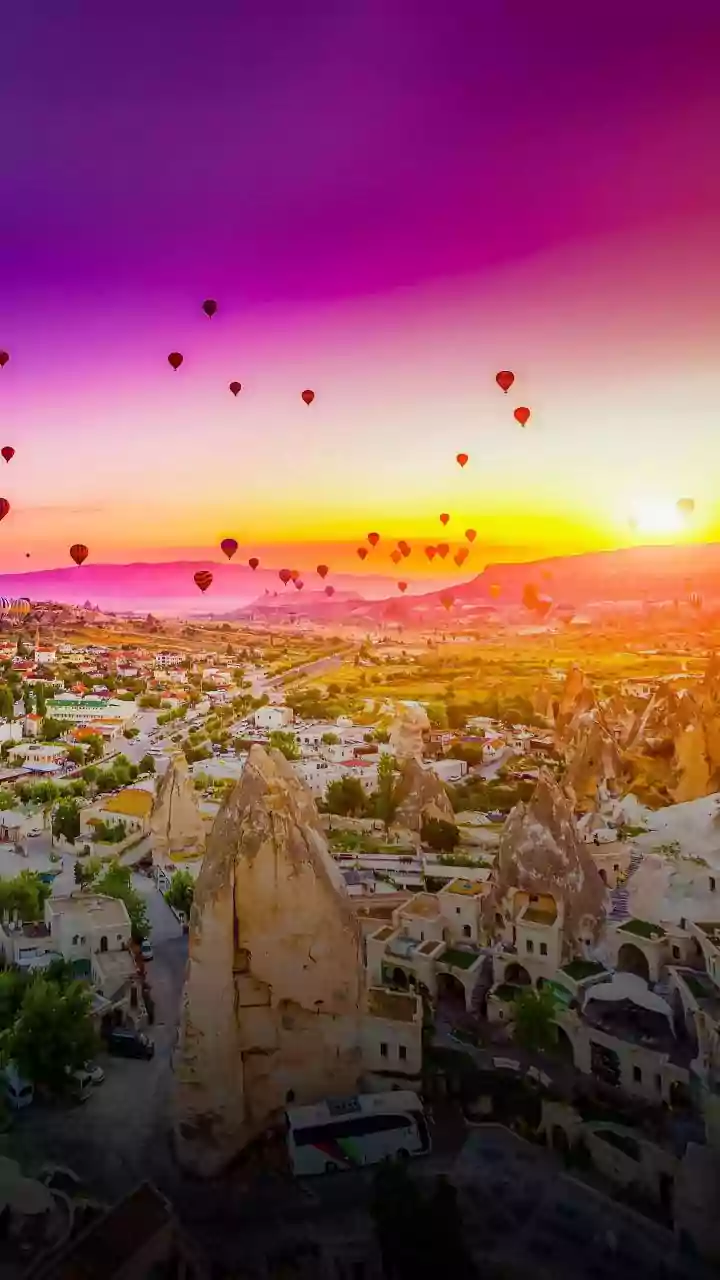
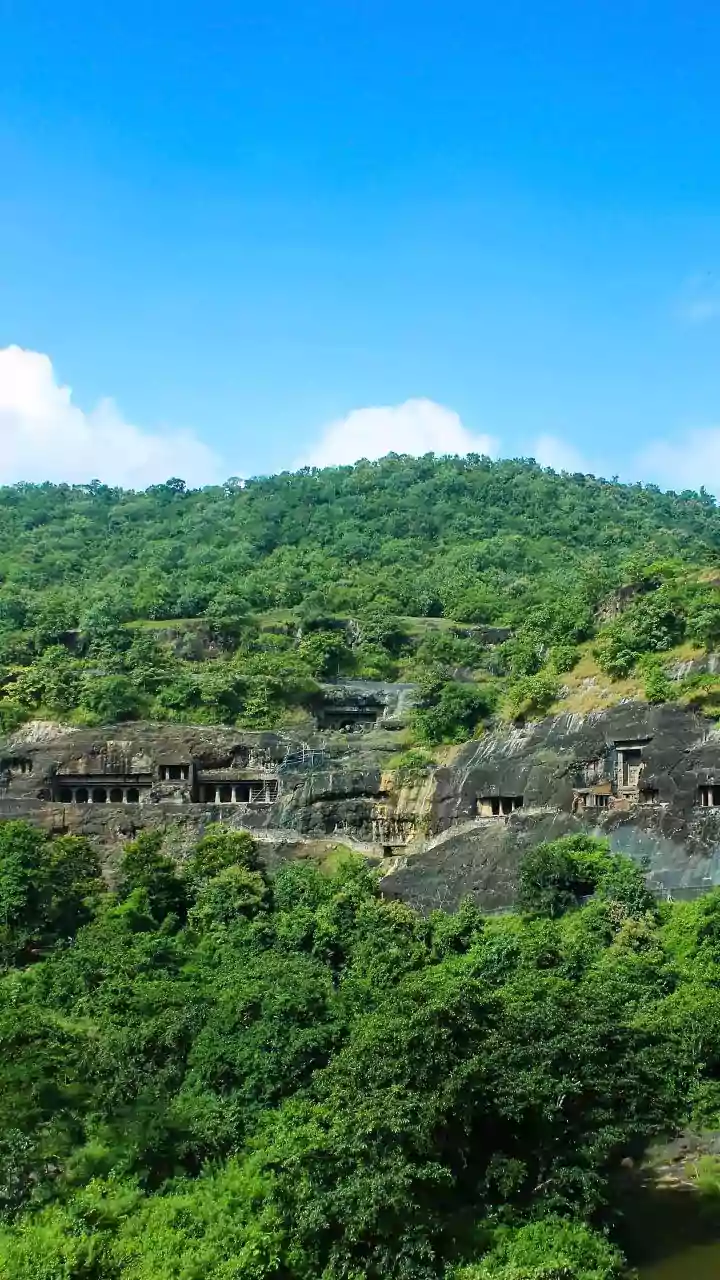
to connect with the country on a deeper level. This strategy aims to decentralise tourism, shifting the spotlight from overburdened hotspots to previously overlooked regions. The National Mission for Alternative Destinations was recently launched specifically to manage visitor flow and reduce pressure on fragile ecosystems at popular sites. This digital-first approach not only makes new locations more discoverable but also aligns with the 'Vocal for Local' and 'Aatmanirbhar Bharat' missions, aiming to make domestic travel a key driver of economic resilience.
Discovering the Undiscovered
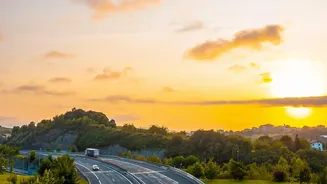
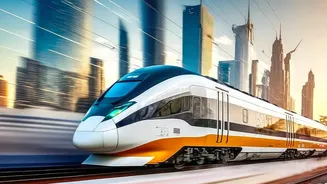
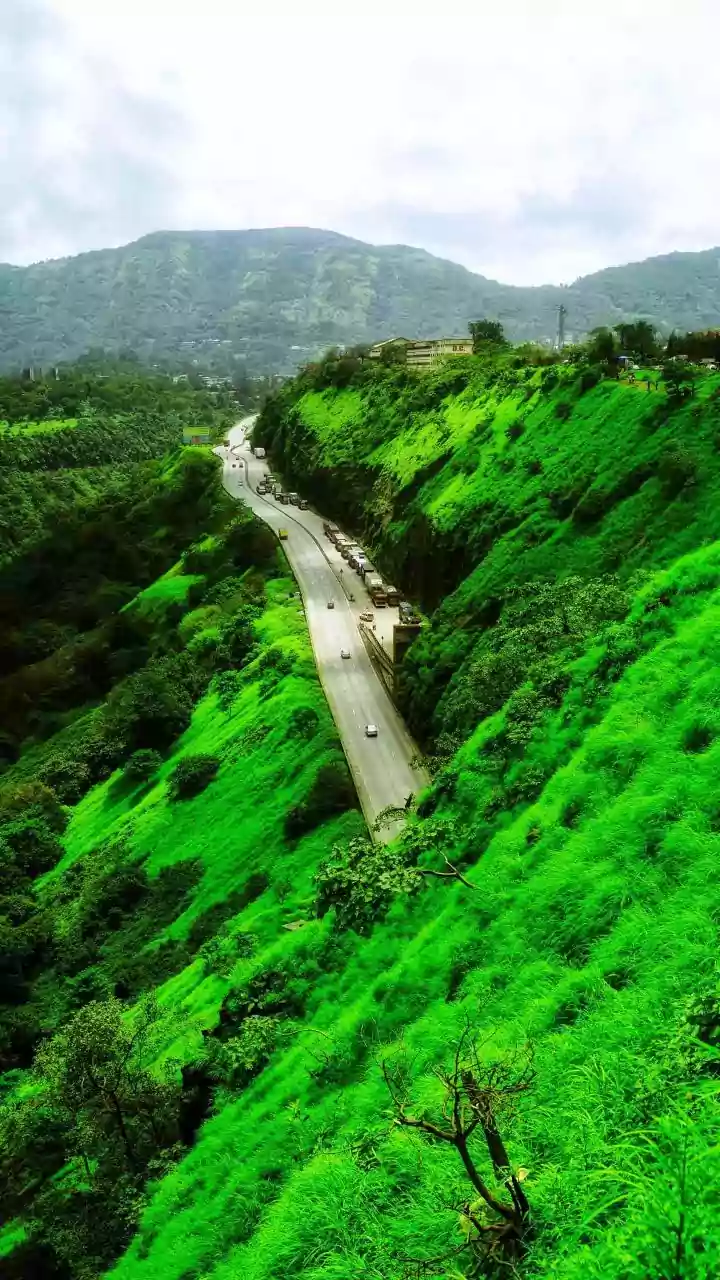
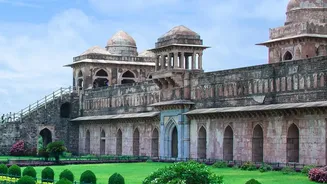
A major pillar of this new strategy is the development of thematic circuits that connect multiple destinations in a single, seamless itinerary. New expressways are being positioned as tourism corridors. For example, the Bundelkhand Expressway links historical gems like Khajuraho, Orchha, and Jhansi, while the Delhi-Mumbai Expressway creates a heritage and wildlife corridor connecting Jaipur, Ranthambore, and Sariska. The government is also developing new destinations under schemes like Swadesh Darshan 2.0, with places like Chandil in Jharkhand being transformed into wholesome tourism destinations offering more than just picnic spots. Future projects like the Char Dham Mahamarg and Shaktipeeth Expressway are set to further expand these multi-destination travel opportunities.
The Charm of Rural Experiences
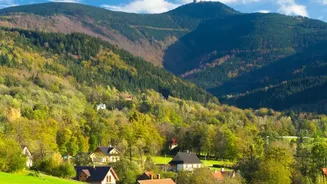
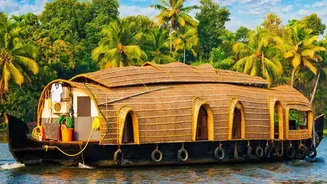
There's a growing appetite for authentic experiences, and rural tourism is at the heart of this trend. The strategy is to develop and promote homestays and community-run services, allowing travellers to experience local culture firsthand while directly contributing to the local economy. Initiatives like Assam's 'Aamar Alohi' model encourage homestays and curated cultural experiences in villages on the fringes of national parks. The Ministry of Tourism has also launched a 'Best Tourism Villages Competition' to recognise and promote villages that preserve their cultural and natural assets while committing to sustainability. This approach focuses on utilising existing housing stock, creating a low-capital but high-impact market that empowers local communities, particularly women and youth.
Reimagining Wildlife Circuits
India's wildlife tourism is also being reimagined to be more sustainable and beneficial for local communities. Instead of focusing solely on core safari zones in famous parks, the new approach promotes landscape-wide tourism circuits that connect multiple protected areas. For instance, a new circuit in Assam will link Manas National Park with Raimona National Park and other nearby wildlife sanctuaries, encouraging longer stays and spreading economic benefits. In Madhya Pradesh, the Sanjay Dubri National Park is emerging as a key destination, benefiting from its proximity to established hubs like Bandhavgarh and Kanha. This conservation-first model seeks to reduce pressure on sensitive habitats by promoting buffer-zone tourism and making trained local youth compulsory guides, weaving local knowledge and culture into the wildlife experience.
Why This Shift in Strategy?
Several factors are driving this strategic pivot. Post-pandemic, there has been a global shift towards meaningful, experiential travel and away from mass tourism. Economically, developing new destinations and rural tourism creates new livelihood opportunities and ensures a more equitable distribution of tourism revenue across the country. It also addresses the significant problem of over-tourism, which has strained the infrastructure and ecosystems of popular destinations. By promoting lesser-known areas and developing integrated circuits, the government aims to create a more resilient, sustainable, and responsible tourism sector that can drive growth while preserving India's natural and cultural heritage for the future.