

A Perfect Culinary Pair
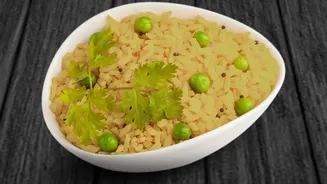
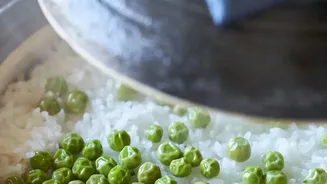
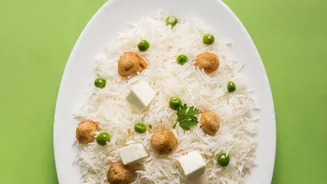
The combination of peas and rice is a culinary classic for good reason. The sweetness of the peas provides a beautiful contrast to the neutral, earthy flavour of rice. Texturally, the firm pop of a well-cooked pea complements the soft, fluffy grains.
Visually, those bright green jewels liven up what can be a monochrome dish, making it more appealing before you even take a bite. Beyond aesthetics, adding peas to rice is a nutritional powerhouse. Peas are an excellent source of plant-based protein, fibre, and essential vitamins. When combined with rice, they form a more complete protein profile, as the amino acids in each ingredient complement one another. This pairing helps regulate blood sugar, promotes digestive health, and keeps you feeling fuller for longer.
Fresh, Frozen, or Canned?
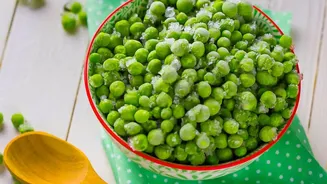
The type of pea you choose can significantly impact your final dish. Fresh peas, available in late spring and early summer, offer a crisp texture and unparalleled sweetness but require shelling and have a short shelf life. Frozen peas are a fantastic, convenient alternative. They are flash-frozen at peak ripeness, which helps them retain much of their nutritional value, flavour, and vibrant colour. For most rice dishes, frozen peas are the preferred choice as they are readily available and don't need to be thawed before adding them to a hot dish. Canned peas are the most convenient but tend to be much softer, almost mushy, and can have a duller colour and added sodium. While useful to have in the pantry for quick meals, they are generally not ideal for dishes where you want the peas to have a distinct texture.
The Art of the Perfect Pea
The secret to delicious peas in rice is timing. Overcooked peas turn a sad, greyish colour and lose their signature sweetness and pop. To avoid this, add frozen peas towards the end of the cooking process. If you're making a pilaf or a one-pot rice dish, stir the frozen peas in during the last 3-5 minutes of cooking. The residual heat and steam will be enough to cook them through perfectly while keeping them bright green and tender. For dishes like a simple buttered rice, you can cook the rice separately, and while it rests, briefly boil or steam the peas. Once the rice is fluffed, gently fold in the cooked peas along with butter and herbs. A key tip for maintaining that vibrant colour is to avoid prolonged boiling and to add them late in the game.
Classic Rice and Pea Dishes
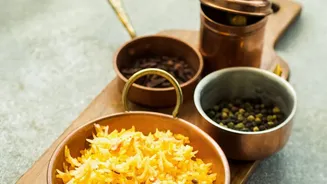
This pairing is celebrated across the globe in various forms. In India, Matar Pulao is a fragrant one-pot dish where basmati rice is cooked with green peas, onions, and a blend of aromatic whole spices like cinnamon, cloves, and cardamom. The result is a flavourful and comforting meal that can stand on its own or be served with a side of raita. From Italy comes Risi e Bisi, a traditional Venetian dish that straddles the line between a soup and a risotto. It’s made with short-grain rice like Arborio, fresh spring peas, pancetta, and Parmesan cheese, creating a creamy, soupy consistency that is both rustic and elegant. Many recipes even use the pea pods to create a flavourful broth, ensuring no part of the vegetable goes to waste.
Modern Twists and Simple Sides
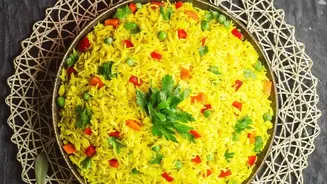
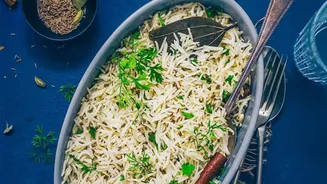
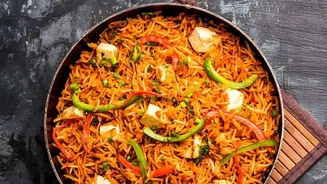
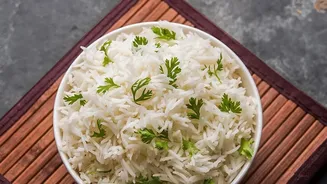
Beyond the traditional recipes, peas can elevate almost any rice dish. For a quick and easy weeknight side, simply fluff cooked long-grain or basmati rice with thawed frozen peas, a knob of butter, some grated Parmesan, and chopped fresh mint or parsley. This simple preparation is surprisingly flavourful and pairs well with everything from pan-seared fish to grilled chicken. You can also stir peas into a vegetable fried rice for a pop of sweetness or add them to a healthy grain bowl. Using fragrant rice like jasmine or basmati as a base works wonderfully, as their delicate aromas complement the peas. Don't be afraid to experiment with herbs and spices; a bit of lemon zest, garlic, or even a pinch of turmeric can take your rice and peas to the next level.