


Catch the Tail End of the Perseids
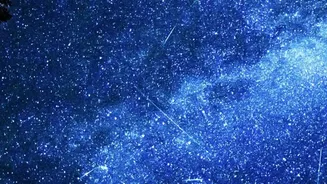
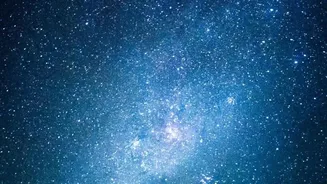
While the Perseid meteor shower reached its spectacular peak on August 12-13, the show isn't entirely over. The shower remains active until late August, meaning you can still catch stray shooting stars. These meteors are debris from the Swift-Tuttle comet,
and they burn up in our atmosphere creating bright, fast streaks of light. For your best chance to see one in the coming days, find a location away from city lights after midnight. The pre-dawn hours are typically the most productive. Look towards the northeastern sky, but keep your gaze wide, as meteors can appear anywhere. Although the peak rate of up to 100 meteors per hour has passed, a little patience on a clear night could still reward you with a few cosmic fireworks.
The Full Sturgeon Moon
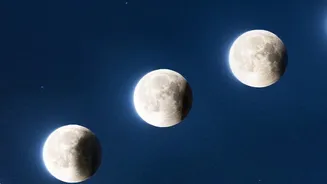
Look up on the night of August 28 to see the month's full moon, known as the Sturgeon Moon. This name comes from Native American traditions, linking it to the time of year when sturgeon fish were abundant in North America's Great Lakes. While the full moon will be accompanied by a partial lunar eclipse, this eclipse will not be visible from India as it occurs during the daytime here, when the moon is below the horizon. However, Indians will still be treated to a brilliant full moon rising in the evening. As it climbs above the horizon, it may appear larger and take on a yellowish-orange hue due to atmospheric effects. This is a great opportunity for photographers and anyone simply wanting to enjoy the sight of a bright, beautiful moon.
Planet Spotting Opportunities
August is not the best month for planet-gazers this year, with some of the most dramatic events like Saturn's opposition happening later in the year. Saturn will reach its brightest point for 2026 on October 4, when it will be visible all night long. However, planets like Jupiter and Mars made appearances in the pre-dawn sky earlier in the month, often near the moon. If you have a clear view of the horizon, you might still be able to spot Mercury very briefly before sunrise. Using a stargazing app on your phone can help you identify which bright 'stars' are actually planets.
A Note on August's Eclipses
August 2026 has been a major month for eclipse chasers, featuring a rare total solar eclipse on August 12 and a partial lunar eclipse on August 28. Unfortunately, due to timing and geography, neither of these impressive events were visible from India. The total solar eclipse, which darkened skies over parts of Europe, occurred during the night in India when the sun was not visible. Similarly, the partial lunar eclipse will take place when the moon is below the horizon for Indian observers. While we missed the live spectacle, many international space agencies like NASA live-streamed the events for a global audience.
Tips for the Best Stargazing Experience
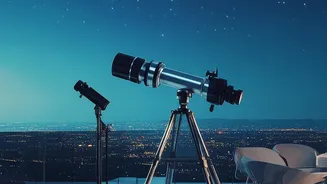
To make the most of your night sky viewing, preparation is key. First, escape light pollution. The darker your location, the more you will see. Places like Ladakh, Spiti Valley, or the Rann of Kutch are ideal, but even a trip to the outskirts of your city will make a huge difference. Second, give your eyes time to adjust. It takes about 20 to 30 minutes for your eyes to fully adapt to the dark, so avoid looking at your bright phone screen. Using a red-light torch can help you see your surroundings without ruining your night vision. Finally, get comfortable. Lie on a blanket or use a reclining chair to avoid neck strain, and dress in layers as even summer nights can get chilly when you're sitting still.