




Swap Refined Oils for Traditional Options
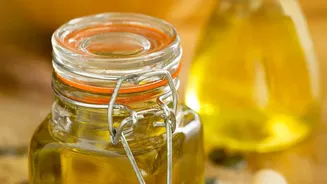
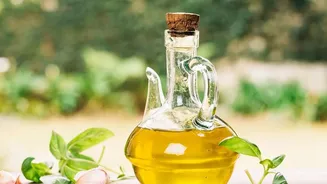
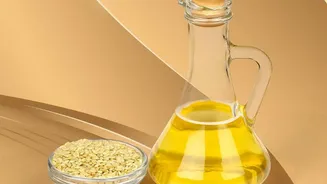
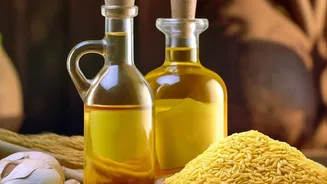
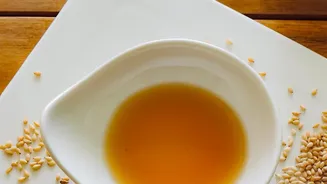
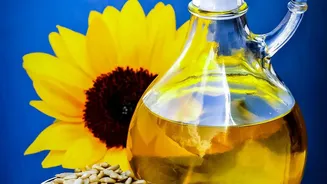
Many households default to refined sunflower or soybean oils for daily cooking. However, with prices for these oils seeing sharp increases, it’s a good time to revisit traditional Indian oils like mustard and groundnut. Locally produced oils like mustard oil have
seen a smaller price hike compared to imported varieties. Beyond cost, there are health benefits to consider. Cold-pressed mustard oil, for instance, has a more balanced omega-6 to omega-3 fatty acid ratio, which is considered beneficial for heart health and reducing inflammation. While sunflower oil is rich in Vitamin E, its fatty acid profile makes mustard oil a potentially healthier choice for everyday Indian cooking methods like preparing sabzis and tadkas. Groundnut oil is another versatile and affordable option with a high smoke point suitable for most Indian dishes.
Embrace Different Cooking Methods
One of the most effective ways to cut down on oil consumption is to change the way you cook. Instead of deep-frying snacks like samosas, pakoras, or kebabs, consider using an air fryer. This appliance circulates hot air to create a crispy texture with little to no oil, offering a result that is remarkably close to the original. Steaming is another zero-oil method perfect for dishes like dhokla and idli, and it excels at retaining the nutrients in vegetables and fish. For gravies and masalas, which often form the base of Indian curries, try using a good non-stick pan. You can sauté onions and tomatoes with just a splash of water or vegetable stock instead of oil, preventing the ingredients from sticking while still achieving a rich, caramelised flavour.
Use Ghee Strategically for Flavour
Ghee might seem more expensive upfront when compared to a litre of cooking oil, but its value lies in how it's used. Because of its rich, nutty flavour and high smoke point, a small amount of ghee goes a long way. Instead of using large quantities of oil to cook an entire dish, you can cook the meal with minimal oil and add a teaspoon of ghee at the end. This finishing touch, whether drizzled over dal, rice, or rotis, imparts a rich aroma and taste without the high volume of fat. Ghee is also highly stable for high-heat cooking and can be a healthier alternative to refined oils that can break down at high temperatures. When you consider that a kilogram of ghee lasts much longer than a litre of oil because it's used more sparingly, the cost difference narrows significantly.
Switch to Oil Sprays for Sautéing
A simple but highly effective swap is to move from pouring oil to spraying it. When you pour oil from a bottle into a pan, it's easy to use far more than you need. An oil spray bottle, on the other hand, allows you to apply a thin, even coat, covering the entire surface of the pan with just a fraction of the oil. This technique is perfect for making everyday items like dosas, cheelas, or for lightly greasing a pan before sautéing vegetables or making an omelette. You can buy pre-filled oil sprays or, more economically, purchase a reusable spray bottle and fill it with your preferred cooking oil. This method gives you precise control over the quantity used, helping a single bottle of oil last much longer and directly reducing your monthly expenditure.
Make Your Gravies Thicker, Not Oilier
In many Indian curries, oil is used to create a rich, thick gravy. However, there are healthier and more cost-effective ways to achieve that desired consistency. Instead of relying on a base of fried onions, which absorbs a lot of oil, you can use a paste made from boiled onions and tomatoes. To add creaminess and body to your curries, consider blending in a handful of soaked cashews or melon seeds (charmagaz). Yogurt or curd can also be used to create a creamy, tangy base for dishes like kadhi or certain chicken curries, completely replacing the need for oil-heavy ingredients. These substitutes not only cut down on fat but also add their own unique flavours and nutritional benefits to the final dish.