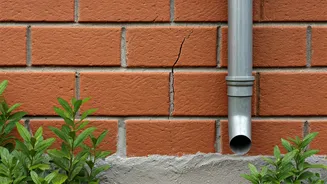









Inspect the Roof and Terrace
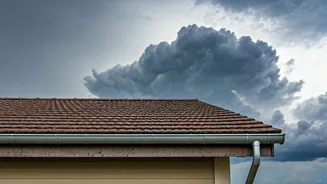
Your roof is the first line of defence against torrential rain. Before the downpour intensifies, get on the terrace and inspect it thoroughly. Look for any visible cracks, gaps, or broken tiles that could become entry points for water. If you find minor
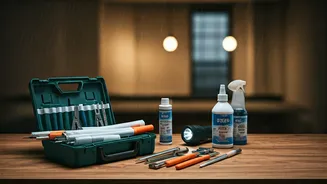
cracks, you can often seal them with a good quality waterproof sealant available at any hardware store. For larger issues, it’s wise to call a professional. Pay special attention to the drainage outlets on the roof and in balconies. Clear them of all leaves, dirt, and debris to prevent water from accumulating. A clogged drain can lead to pooling, which exerts immense pressure on your roof and can cause severe leakage and structural damage over time.
Seal Walls and Windows
Water has a notorious habit of finding its way through the tiniest of cracks. Inspect your exterior walls for any signs of peeling paint or cracks. These are tell-tale signs that the existing paint is no longer providing a waterproof barrier. A fresh coat of waterproof paint or a sealant-based exterior paint can work wonders in shielding your home. Don’t forget the windows and door frames. Over time, the sealant around them can wear off, creating gaps. Apply a fresh layer of silicone sealant around windowpanes and frames to create a watertight seal. If you have wooden windows or doors, check if they swell up and become difficult to close. A simple solution is to sand them down a bit and apply a coat of varnish or paint to prevent them from absorbing moisture.
Clear All Drains and Gutters
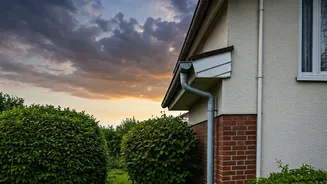
Waterlogging is a major problem in many Indian cities during the monsoon. While you can’t control the city’s drainage, you can ensure your own home’s system is working perfectly. Clogged drains and gutters are a primary cause of water backing up and flooding compounds, ground floors, and even basements. Before the rains set in, make it a point to thoroughly clean all drains around your property. Remove any plastic, leaves, mud, or other blockages. You can use a commercial drain cleaner or a simple mixture of baking soda and vinegar for indoor drains. For outdoor drains, a high-pressure hose can be effective. This simple step is crucial for preventing foul smells, pest breeding, and the costly damage caused by water accumulation.
Prioritise Electrical Safety
Water and electricity are a deadly combination. The high humidity and dampness during the monsoon significantly increase the risk of short circuits and electrical shocks. It’s essential to have an electrician check your home's wiring for any frayed cables or loose connections, especially for outdoor wiring like gate lights or water pumps. Cover any exposed wires with electrical tape and ensure all switchboards are properly covered. Invest in good-quality surge protectors for expensive electronics like your TV, computer, and refrigerator to protect them from voltage fluctuations, which are common during thunderstorms. If you experience a power cut and need to use a generator or inverter, ensure it is placed in a well-ventilated, dry area, never in a flooded or damp basement.
Tackle Indoor Dampness and Pests
The battle against the monsoon continues inside the house. High humidity leads to dampness, which can spoil wooden furniture, clothes, and books, and promote the growth of mould and mildew. Keep your cupboards and closets ventilated by opening them for a few hours on dry, sunny days. Place moisture absorbers like silica gel pouches or even bowls of rock salt in closets and bookshelves. Wiping down wooden furniture with a dry cloth regularly can prevent warping. The monsoon is also prime time for pests like mosquitoes, termites, and cockroaches. Ensure your window meshes are intact. Use natural repellents like neem oil or camphor. Don’t let water stagnate in pots or coolers, as these are breeding grounds for mosquitoes.
Secure Your Outdoors and Garden
Strong winds often accompany monsoon storms, turning loose objects into dangerous projectiles. If you have a garden, balcony, or terrace with outdoor furniture, potted plants, or decorative items, make sure they are secure. Either move lightweight furniture indoors or anchor it firmly. Trim any overgrown trees or large branches that are close to your house, as they could break and fall on your roof or windows during a storm. Check the stability of any awnings, sheds, or other outdoor structures. A little bit of tidying up in your garden or balcony can prevent a lot of potential damage and ensure your outdoor space weathers the storm safely.