



An Ancient Tradition, a Modern Trend
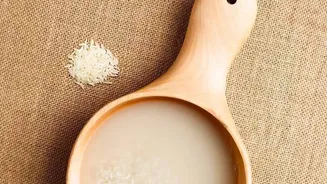
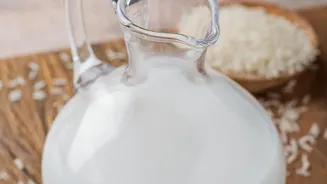
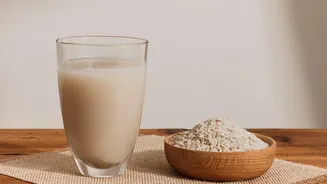
While it might be new to your social media feed, fermented rice water is a staple in many cultures, particularly in India and Southeast Asia. Known by names like 'Kanji' or 'Neeragaram', it's a traditional drink made by soaking cooked rice in water and allowing
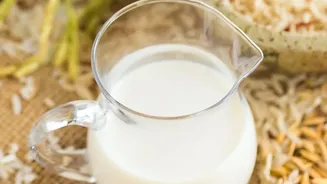
it to ferment overnight or longer. This process is different from simply using the water left after rinsing or boiling rice, which is more commonly associated with hair care. The fermentation transforms the simple starchy liquid into a beverage containing beneficial bacteria, enzymes, and other compounds. Traditionally, it’s consumed as a cooling, light, and easily digestible meal, especially in warmer climates, often using leftover rice to prevent waste.
The Gut Health Connection
The enthusiasm for fermented rice water is centred on its potential as a natural probiotic. The fermentation process encourages the growth of beneficial bacteria, such as Lactobacillus. Proponents believe these live cultures can help support a healthy gut microbiome, which is crucial for digestion, immunity, and overall wellness. The fermentation also creates prebiotics—like resistant starch—which act as food for these good bacteria, helping them thrive. Furthermore, the process can break down some of the complex carbohydrates in rice, potentially making it easier to digest and reducing discomfort like bloating for some individuals. Studies have also suggested that fermentation can increase the bioavailability of certain nutrients, such as B vitamins and minerals like iron.
Simple Fermented Rice Water Recipe
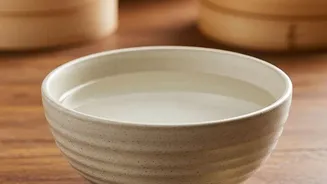
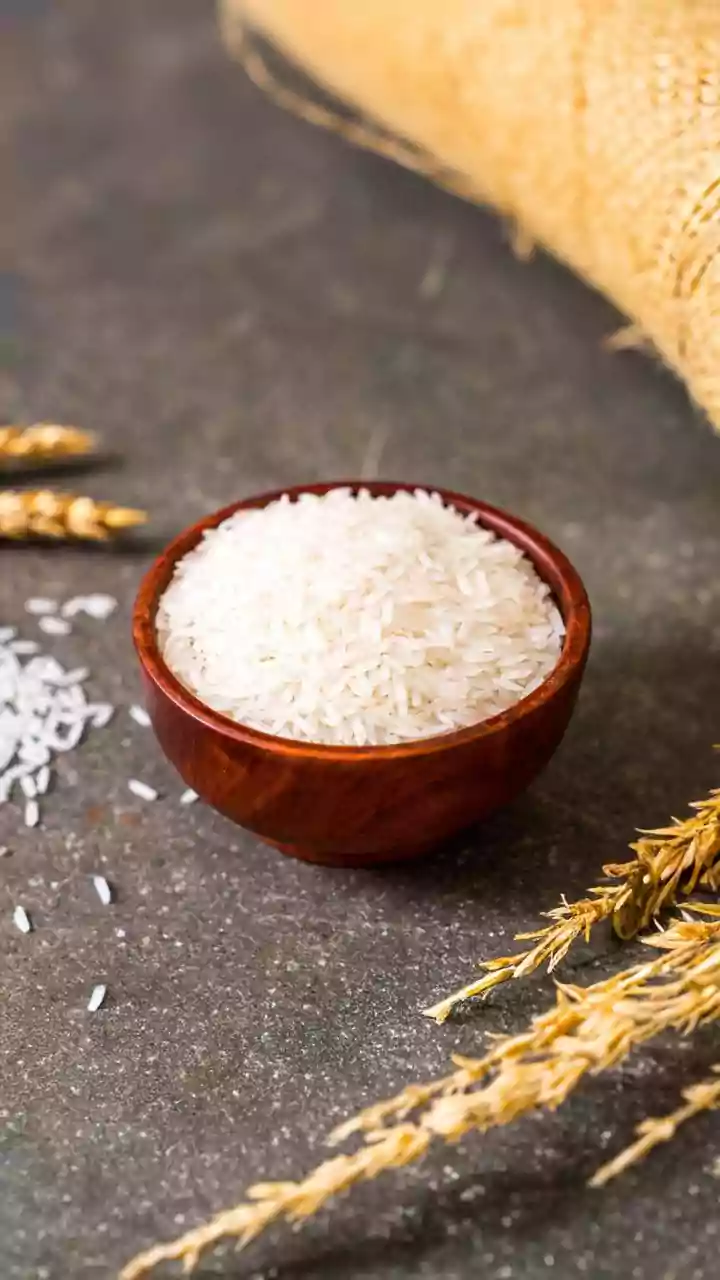
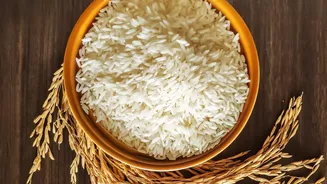
Making this traditional drink at home is surprisingly simple. You will need a clean glass jar or a traditional clay pot for the best results. Start by taking about half a cup of cooked rice (leftover rice works perfectly) and placing it in your container. Add two to three cups of filtered water, cover the container loosely with a cloth, and let it sit at room temperature for 12 to 24 hours. The fermentation time can vary depending on the temperature of your kitchen; in warmer weather, it may ferment faster. You'll know it's ready when it has a slightly tangy, sour smell. Once fermented, you can strain the water to drink, or consume the entire mixture as a light porridge.
Traditional Indian-Style 'Kanji'
For a more flavourful and traditional Indian preparation, you can enhance the basic fermented rice. After the overnight fermentation, you can blend the rice and water mixture into a smoother consistency. To this, add a quarter cup of whisked curd or buttermilk, which adds more probiotics and a creamy texture. A popular final step is tempering ('tadka'). Heat a teaspoon of oil in a small pan and add mustard seeds, allowing them to crackle. You can also add chopped green chillies, curry leaves, and a pinch of asafoetida (hing) for a savoury aroma and added digestive benefits. Pour this tempering over the rice mixture, add salt to taste, and garnish with chopped onions or fresh coriander. This version is often eaten as a cooling and nourishing breakfast.
A Few Words of Caution
While fermented rice water is a natural product, it's important to approach it with mindfulness. Hygiene is critical; always use clean containers to prevent the growth of harmful bacteria. If the mixture smells foul, looks discoloured, or has mould, it should be discarded immediately. When trying it for the first time, start with a small amount, like half a cup, to see how your body responds. Because the fermentation process can be variable, the final product is not standardized. Individuals with specific conditions like histamine intolerance or SIBO (Small Intestinal Bacterial Overgrowth) should exercise caution, as fermented foods can sometimes exacerbate symptoms.