



Step 1: Pranamasana (Prayer Pose)
Begin by standing at the edge of your mat with your feet together, balancing your weight evenly. As you exhale, bring your palms together in a prayer position in front of your chest. This initial pose helps to calm the mind and body, establishing a sense
of balance and centeredness before you begin the flow.
Step 2: Hasta Uttanasana (Raised Arms Pose)
Inhaling, lift your arms up and back, keeping your biceps close to your ears. Gently arch your back from your upper spine, pushing your hips slightly forward. This pose stretches the chest and abdomen, expands the lungs, and lengthens the entire spine.
Step 3: Hastapadasana (Standing Forward Bend)
As you exhale, hinge at the hips and bend forward, keeping your spine straight for as long as possible. Bring your hands down to the floor beside your feet, bending your knees if necessary to avoid straining your back. This pose intensely stretches the hamstrings and calves while helping to make the spine more flexible.
Step 4: Ashwa Sanchalanasana (Equestrian Pose)
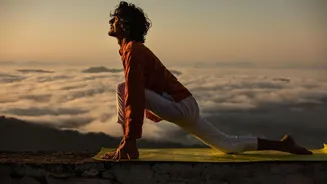
Breathing in, push your right leg back as far as you can. Bring your right knee to the floor and look up, lifting your chest. This lunge position strengthens the leg muscles and increases flexibility in the hips, while giving a good stretch to the spine.
Step 5: Dandasana (Stick Pose)
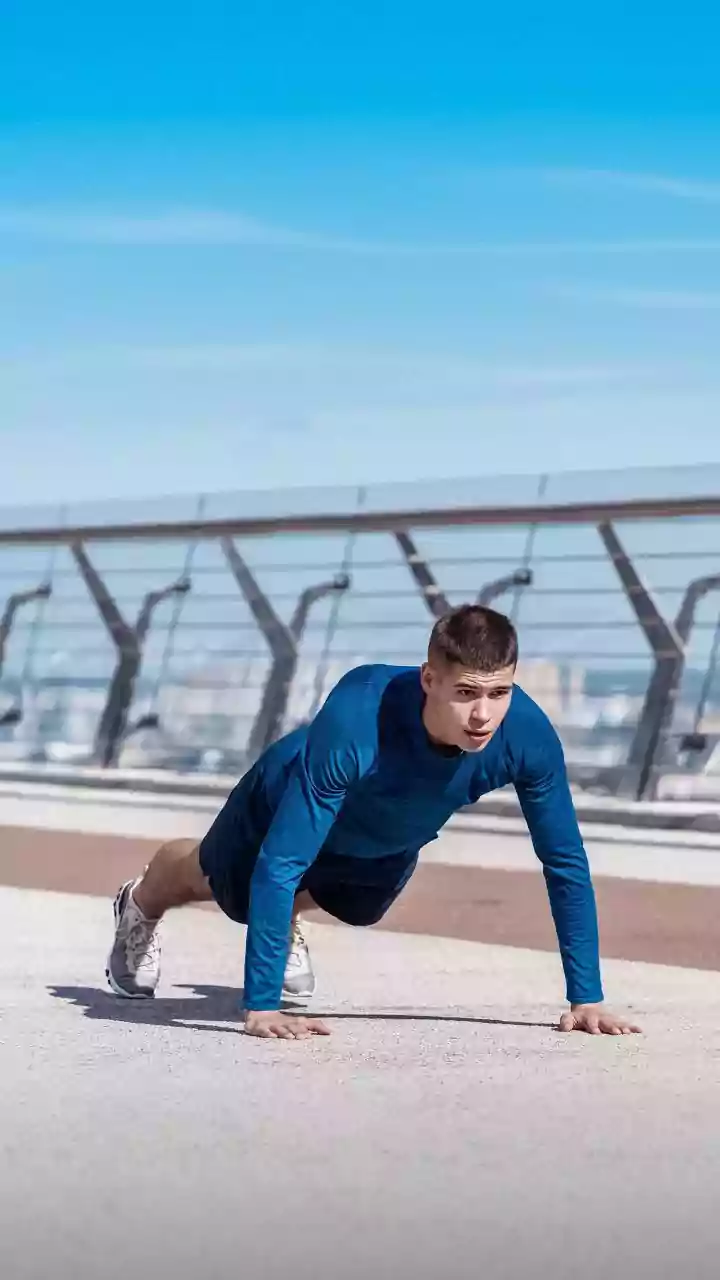
On an inhale, step your left leg back to join the right, bringing your body into a straight line like a plank. Your arms should be perpendicular to the floor, with wrists directly under your shoulders. This pose is excellent for building core strength and toning the arms and shoulders.
Step 6: Ashtanga Namaskara (Eight-Limbed Salute)
Gently bring your knees down to the floor and then, as you exhale, lower your chest and chin to the mat. Your hips will remain slightly elevated. This unique pose, where eight parts of the body touch the floor, strengthens the chest, arms, and back muscles.
Step 7: Bhujangasana (Cobra Pose)
Slide forward and, on an inhale, raise your chest into Cobra Pose. Keep your shoulders relaxed and away from your ears, and your elbows slightly bent. This backbend strengthens the spine, opens the chest and shoulders, and can help alleviate stress and fatigue.
Step 8: Adho Mukha Svanasana (Downward-Facing Dog)
Exhaling, lift your hips and tailbone up to come into an inverted 'V' shape. This classic yoga pose stretches the entire back of the body, including the hamstrings and calves, while strengthening the arms and shoulders. It is also known to improve blood circulation.
Step 9: Ashwa Sanchalanasana (Equestrian Pose)
Breathing in, bring your right foot forward between your hands, returning to the lunge position from Step 4. Your left knee comes down to the floor, and you look forward, lengthening your spine. This mirrors the earlier lunge, continuing to open the hips and stretch the quadriceps.
Step 10: Hastapadasana (Standing Forward Bend)
As you exhale, bring your left foot forward to meet the right, and return to the forward bend position. Keep your palms on the floor and your head hanging loosely. This pose continues to stretch the back of the legs and lengthen the spine.
Step 11: Hasta Uttanasana (Raised Arms Pose)
Inhaling, rise up, reaching your arms forward and then overhead. Gently arch your back as you did in Step 2, opening the chest and feeling the stretch along the front of your body. This brings a sense of rejuvenation and energy.
Step 12: Tadasana/Pranamasana (Mountain/Prayer Pose)
Finally, exhale and first straighten your body, then bring your arms down and your palms together in front of your chest. This brings you back to the starting position, completing one full cycle. Take a moment here to notice the flow of energy and the sense of calm.