






An Annual Ritual of Risk
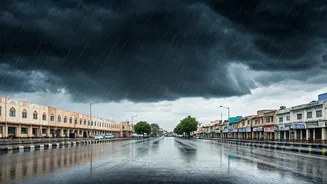
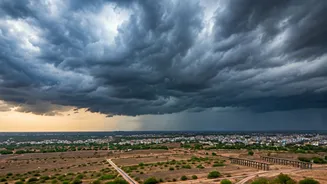
For the residents of Jodhpur, the arrival of monsoon clouds brings a mix of relief from the scorching summer and anxiety about the chaos that often follows. Year after year, even brief but intense spells of rain have led to severe waterlogging, turning
streets into canals and bringing life to a standstill. Past monsoons have seen key areas like Sardarpura and Chandpole submerged, hospitals flooded, and daily commutes disrupted, underscoring a critical gap between the city’s plans and its on-ground reality. This recurring crisis is not just an inconvenience; it exposes deep-seated infrastructural vulnerabilities in a city that is grappling with both its historical layout and modern pressures. The problem has become so predictable that for many citizens, the question is not if flooding will occur, but when and how bad it will be.
The Pre-Monsoon Checklist
The official response to this annual challenge involves a standard checklist of pre-monsoon works. The Jodhpur Municipal Corporation and Jodhpur Development Authority are tasked with desilting the city's extensive network of open drains (nallahs), repairing potholed roads that become hazardous when water-filled, and cleaning the sewer lines. Tenders for these activities, including drain cleaning and road works, were floated in the months leading up to July. The goal is to ensure an unobstructed flow for stormwater, preventing the rapid inundation of low-lying areas. In June, the state government mandated that disaster control rooms be made operational 24/7 from June 15 to manage emergencies, highlighting the seriousness of the threat. The effectiveness of these measures, however, depends entirely on their timely and thorough completion.
A City of Contrasts and Challenges
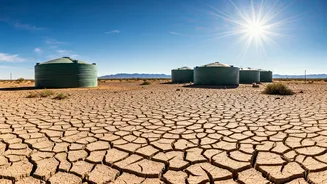
Jodhpur’s predicament is complicated by its unique geography and urban structure. The city is a paradox: located in an arid region historically defined by water scarcity, it now faces a man-made problem of excess water and a rising groundwater table. This issue is linked to a rocky, bowl-shaped underground strata that traps water, and the constant seepage from canals and reservoirs that now supply the city. The densely packed lanes of the old 'blue city', while historically designed to manage scarce water, are ill-equipped for modern stormwater drainage. In contrast, newer colonies also face severe waterlogging, often due to unplanned construction and choked or broken drainage lines. This dual challenge means there is no one-size-fits-all solution, forcing authorities to fight a multi-front battle against the water.
The Race Against a Delayed Monsoon
While the monsoon's delayed arrival on July 2 offered a slight extension to the preparation window, the India Meteorological Department (IMD) has forecast an active spell of rain, with the potential for heavy downpours. The monsoon is expected to advance into more parts of Rajasthan over the next few days. This makes the final push on civic works absolutely critical. Reports from previous years frequently highlight the consequences of incomplete drain cleaning, where garbage and silt choke the water channels and exacerbate flooding. While officials often claim a high percentage of work completion, the first heavy shower serves as the ultimate, unforgiving audit of their efforts. The real test for Jodhpur's administration is not in the plans they make, but in the outcomes residents experience when the skies open up.