



The Foundation: Planning Your Space
Before you sow a single seed, take time to observe your space. Whether you have a sprawling terrace or a small balcony, success starts with understanding your environment. Most vegetables and herbs need at least four to six hours of sunlight daily. Watch
where the light falls throughout the day to identify your prime growing spots. A south-facing balcony might be perfect for sun-loving tomatoes, while a spot with morning sun could be ideal for delicate greens. Once you've mapped your sunlight, consider your layout. Garden beds or containers should be arranged to maximize growing area while keeping walkways clear. Don't overcrowd your plants. Seed packets seem small, but fully grown vegetables need room to breathe, access nutrients, and avoid disease. Planning your space with the plant's final size in mind prevents future competition and ensures healthier growth.
A Gardener's Timetable: Know Your Harvest Times
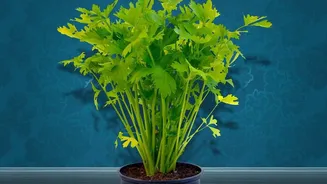
Patience in gardening is easier when you know what to expect. Different vegetables grow at different paces. Grouping them by their 'time to harvest' can help you plan what to grow and when. For quick gratification, start with fast-growing plants. Leafy greens like spinach (palak), fenugreek (methi), and coriander (dhania) can often be ready for their first harvest in just 25-30 days. Radishes are another quick win. These are perfect for beginners and for filling small gaps. The next group includes steady growers like tomatoes, chillies, brinjal, and okra (bhindi). These require more patience, typically taking anywhere from 60 to 100 days from seed to first fruit, thriving in the monsoon and summer seasons. Then there are the long-game plants, such as gourds, pumpkins, and root vegetables like carrots, which require several months but reward your patience with substantial harvests. Knowing these general timelines helps you manage your expectations and garden space effectively.
The Art of Staggered Planting
One of the biggest mistakes beginners make is planting everything at once. This leads to a 'feast or famine' situation—drowning in produce for a few weeks, followed by nothing. The solution is succession planting, also known as staggered planting. Instead of planting your entire row of spinach at once, sow a small batch every two to three weeks. By the time you finish harvesting the first batch, the second will be ready. This simple technique ensures a continuous, manageable supply of fresh vegetables throughout the season. It works wonderfully for fast-growing crops like lettuce, radishes, beans, and most leafy greens. This method not only maximizes your harvest but also transforms your garden into a dynamic, constantly producing space. As soon as one crop is harvested, you can amend the soil with compost and plant something new in its place, making the most of every square inch.
Patience: Your Most Important Gardening Tool
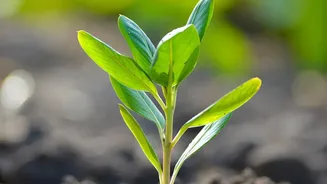
Beyond sunlight, water, and soil, the most critical ingredient for a successful garden is patience. It's tempting to want instant results, but gardening operates on nature's schedule, not ours. Plants can't be rushed. In fact, learning to wait is one of gardening's greatest lessons. Watching a seed sprout, develop leaves, flower, and finally bear fruit is a process that unfolds over weeks and months. This journey teaches observation and resilience. You learn to spot the first signs of a pest, to notice when a plant needs water, and to accept that sometimes, despite your best efforts, things don't go to plan. A garden doesn't have to be perfect from day one. It evolves over seasons, and the gardener evolves with it. This slow, deliberate process can be a powerful antidote to our fast-paced lives, offering a space for quiet reflection and a deep connection to the food you grow.