
A Tradition Reimagined
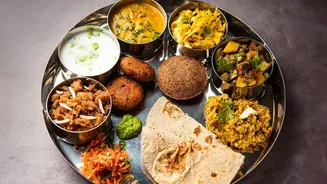
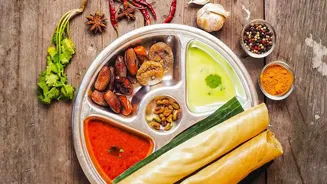
For generations, the stainless steel ‘dabba’ has been a symbol of a home-cooked meal delivered with love. Stacked high, its cylindrical containers kept roti, sabzi, dal, and rice separate, a warm reminder of home in the middle of a busy workday. This
system, perfected by Mumbai's famous dabbawalas, is a marvel of logistics. But as lifestyles change and wellness becomes a greater priority, the principles of packing a lunch are evolving. Enter the bento, a Japanese concept that focuses not just on separating food, but on creating a balanced, visually appealing, and portion-controlled meal in a single compact container. This isn't about replacing the beloved tiffin, but rather enhancing the philosophy behind it.
The Art of the Bento Box
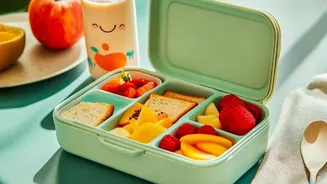
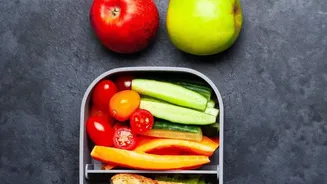
At its heart, the Japanese bento is a single-portion meal packed with care and intention. The philosophy is rooted in balance, both nutritional and aesthetic. A typical bento follows a ratio—often something like four parts carbohydrates (rice or noodles), three parts protein (fish, meat, or paneer), and two parts vegetables, with a small portion for a pickle or fruit. This structure naturally encourages variety and a well-rounded diet. The key difference from a traditional stacking tiffin is the use of a single, flat box with built-in compartments. This design keeps flavours and textures distinct, preventing a flavour mix by lunchtime. It’s a simple shift that offers powerful benefits.
Health in Every Compartment
One of the biggest drivers of the bento trend in India is health and wellness. The fixed-size compartments offer effortless portion control, a welcome feature for anyone trying to manage their food intake without the hassle of counting calories. When each section of the box is filled, you have a complete meal, discouraging the common habit of overpacking and overeating. This encourages mindful eating. Furthermore, the format makes it easy to pack a wider variety of foods in smaller quantities. Instead of just one sabzi, you can include a small portion of a dry vegetable, a fresh salad, some sprouts, and a serving of yogurt, ensuring a broader spectrum of nutrients in a single meal. This prevents lunchtime boredom and makes healthy eating more sustainable.
Packing the Perfect Indian Bento
Adopting the bento style for Indian cuisine is surprisingly intuitive, as our meals are naturally composed of multiple components. A modern four-compartment lunchbox is perfectly suited to a typical Indian thali-style meal. Think of it as a mini-thali on the go. You can fill the largest compartment with a carbohydrate like jeera rice, a few rotis, or a millet pulao. One of the smaller sections can hold your protein, such as dal, chana masala, or paneer tikka. The other two compartments are perfect for a dry vegetable dish (sabzi), a crunchy kachumber salad or raita, and perhaps a piece of fruit or a healthy sweet like a date or a small energy ball for dessert. The key is to pack tightly to prevent items from shifting and to ensure everything stays fresh and visually appealing.
More Than Just a Box
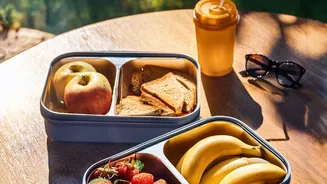
The rise of this trend is visible in the marketplace, with a growing availability of sleek, multi-compartment, leak-proof lunch boxes online and in stores across India. These modern containers, often made from food-safe, BPA-free plastic or sustainable materials, are a far cry from the utilitarian steel dabba. They come in vibrant colours and designs, making the midday meal a more joyful experience. This shift also helps reduce waste by eliminating the need for single-use plastic wrap or multiple small containers. By encouraging the packing of right-sized portions, these boxes can also help minimise food waste at home, as families get better at estimating consumption.