
The Strain on the Crown Jewels
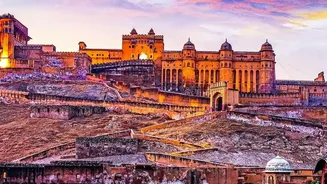
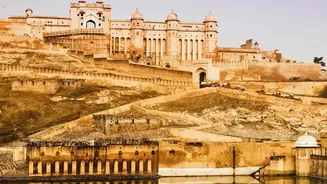
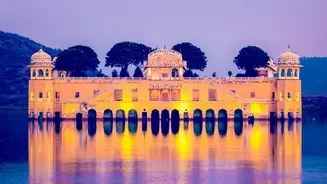
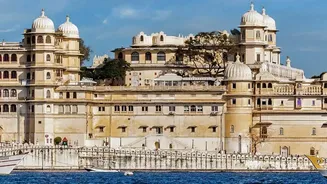
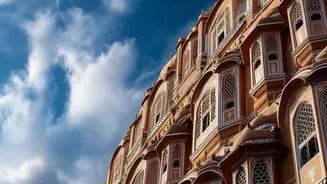
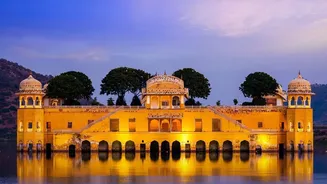
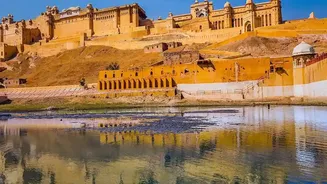
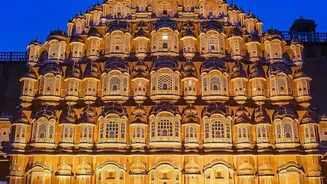
For decades, Rajasthan's tourism has revolved around a well-trodden circuit, primarily featuring Jaipur, Udaipur, and Jodhpur. These cities are magnificent, but their immense popularity has led to the familiar challenges of over-tourism. Packed monuments,
crowded markets, inflated prices, and strained local infrastructure are now common, particularly during peak season. This concentration of visitors puts immense pressure on heritage sites and can dilute the very authentic experience that travellers seek. While these cities remain essential to Rajasthan's identity, the reliance on them has created an imbalanced tourism landscape, leaving vast, equally compelling parts of the state overlooked.
A New Tourism Blueprint
Recognising this imbalance, the Rajasthan government is actively widening its tourism strategy. The state's tourism department, in collaboration with hospitality federations, is promoting what it calls experience-led and rural tourism. This initiative involves identifying and developing lesser-known destinations to distribute tourist traffic more evenly and create new economic opportunities for local communities. Upcoming events like the Rajasthan Domestic Travel Mart are being organised with the specific goal of connecting travel operators with businesses in these emerging regions, from the Shekhawati region to the tribal areas of southern Rajasthan. The plan isn't just about building new hotels; it's a multi-faceted approach involving infrastructure improvements, policy reforms like the new Homestay Scheme, and digital marketing campaigns to attract a new wave of curious travellers.
Beyond the Obvious: Discovering the Unseen
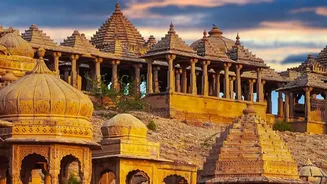
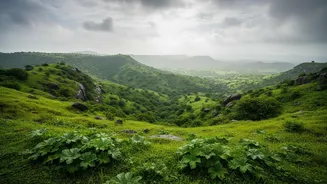
So, where should travellers look beyond the big three? The options are as diverse as Rajasthan itself. The Shekhawati region, often called an open-air art gallery, is famed for its historic havelis adorned with intricate frescoes in towns like Mandawa and Kuchaman. In the south, places like Banswara and Dungarpur offer a glimpse into tribal culture against a backdrop of lush monsoon landscapes. For wildlife enthusiasts, Jawai has become famous for its leopard safaris in a unique rocky terrain, while Sariska and Ranthambore are being promoted for immersive monsoon getaways. Destinations like Bundi, with its stunning stepwells and forts, and Karauli, known for its tranquil riverside setting, offer a quieter, more intimate heritage experience.
The Gains of Going Off the Beaten Path
This strategic shift offers a win-win scenario. For tourists, venturing into emerging areas means escaping the crowds and discovering a more authentic side of Rajasthan. It allows for deeper cultural interactions, more personal experiences, and often, better value for money. Travellers are increasingly seeking meaningful journeys over mere sightseeing, and these destinations deliver precisely that. For the state, this push is a vital step towards sustainable development. It helps preserve the overloaded heritage of major cities, spreads economic benefits to rural areas, creates new jobs, and protects local art and culture. By making lesser-known regions active participants in the tourism economy, Rajasthan is building a more resilient and balanced future for its most valuable industry.