




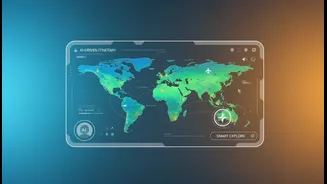




The New Way to Plan a Holiday
Traditionally, planning a trip was a manual, often tedious, process. It involved hours spent searching for flights, comparing hotel prices across dozens of websites, and reading countless blogs to build an itinerary. For a complex, multi-city journey,
this could take hours, if not days, of work. Today, AI-powered travel planners are changing this dynamic completely. Instead of rigid search filters, you can now use conversational language to tell a tool exactly what you want. A simple prompt like, "Plan a 7-day family-friendly trip to Kerala from Mumbai in December with a budget of ₹1,00,000, focusing on backwaters and beaches," can generate a detailed, day-by-day plan in seconds. This shift automates the heavy lifting, allowing you to focus on the exciting parts of your upcoming adventure.
How AI Accelerates Your Itinerary
The secret to AI's speed is its ability to process massive amounts of information instantly. These tools can analyse thousands of data points — flight schedules, hotel availability, restaurant reviews, and even historical pricing trends — to build a logical and optimised plan. Modern AI planners interpret your natural language requests, understand the intent behind them, and organise all the travel components into a structured itinerary. This means the system can suggest the most efficient route for a road trip, find hidden gems along the way, and ensure your schedule is realistic without you having to manually map every single step. The entire process, from initial idea to a full day-by-day plan, is streamlined, saving you invaluable time and effort.
Top AI Tools for Indian Travellers
The number of AI travel tools is growing, but here are a few that stand out. General assistants like ChatGPT and Google Gemini are excellent for initial brainstorming and creating a basic itinerary structure. For more dedicated planning, tools like Layla AI and Mindtrip are purpose-built for travel, offering features like collaborative editing and turning your ideas into a shareable, structured trip. Specifically for Indian travellers, platforms like TripVexa are emerging, designed with local needs in mind. They offer features like pricing in Rupees, visa information for Indians, and itinerary suggestions based on queries like "weekend getaways from Delhi under ₹15,000." For finding the best prices, the AI integrations in Google Flights and Skyscanner remain powerful for tracking fares and suggesting the cheapest times to travel.
Beyond Speed: Smarter, Personalised Trips
While speed is a major benefit, AI also makes travel planning smarter. These platforms can offer a high degree of personalisation, tailoring suggestions to your specific tastes. If you mention you're a vegetarian or prefer boutique hotels over large chains, the AI can filter its recommendations accordingly. It can also help with budget optimisation by suggesting the best times to book flights and hotels based on historical data. Furthermore, AI excels at discovering hidden gems and local experiences that might not appear in mainstream travel guides, helping you avoid tourist traps. Some advanced tools can even adapt in real-time, suggesting alternative activities if your plans are disrupted by bad weather.
A Word of Caution: The Human Touch
As powerful as AI is, it's not perfect. It's best used as a highly capable assistant, not an infallible expert. Studies and user tests have shown that AI can sometimes provide inaccurate information, such as recommending a restaurant that has closed or underestimating travel times. This phenomenon, known as "hallucination," means it's crucial to double-check key details like opening hours, booking confirmations, and visa requirements. AI recommendations can also sometimes feel generic or lack the nuanced understanding of local culture. Therefore, always treat the AI-generated plan as a fantastic starting point, a draft that you should refine with your own research and common sense before making any final bookings.