



Mandu, Madhya Pradesh: The City of Joy
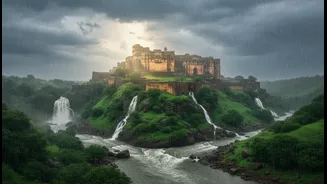
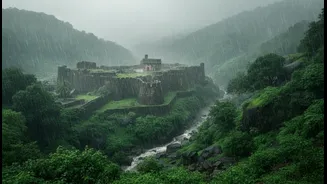
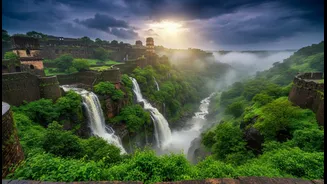
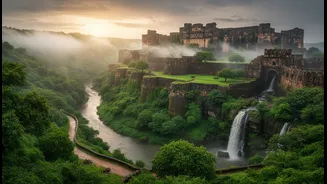
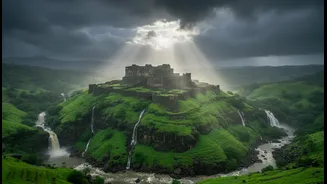
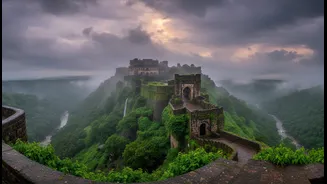
There is a reason Emperor Jehangir called Mandu the 'City of Joy' after experiencing it during the rains. This sprawling hilltop fort city transforms into a lush, romantic paradise. The iconic Jahaz Mahal, or Ship Palace, appears to float between two
artificial lakes, its reflection shimmering on the water’s surface, creating a truly magical sight. The monsoon clouds often descend upon the Rani Roopmati Pavilion, which offers panoramic views of the verdant Narmada valley below, enveloping visitors in mist and folklore. The entire fortress, with its beautiful domes and Afghan architecture, becomes a green haven, making it a celebration of nature and history combined.
Kumbhalgarh, Rajasthan: The Great Wall in the Clouds
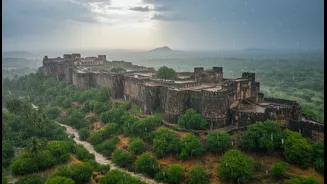
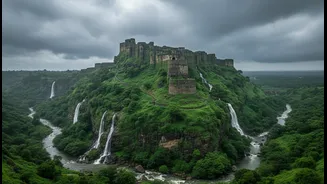
While many think of Rajasthan as a dry desert, the monsoon paints a different picture, especially at Kumbhalgarh. This UNESCO World Heritage site is famous for its formidable wall, the second longest in the world, which snakes for 38 kilometres through the Aravalli Hills. During the rainy season, the surrounding hills shed their brown coat for a carpet of emerald green. The fort itself often gets shrouded in low-hanging clouds, creating an ethereal atmosphere. The Badal Mahal, or 'Palace of Clouds,' truly lives up to its name at this time, offering stunning, misty views of the valleys below. With fewer crowds than in the peak winter season, a monsoon visit allows for a more peaceful and intimate exploration of this architectural marvel.
Lohagad, Maharashtra: The Iron Fort of the Sahyadris
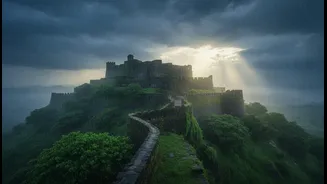
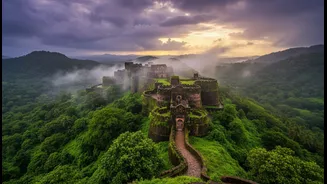
For trekkers and nature lovers, the Sahyadri range in Maharashtra is a monsoon playground, and Lohagad, the 'Iron Fort,' is one of its crown jewels. This beginner-friendly trek near Lonavala becomes exceptionally beautiful from June to September. The path to the fort, lined with glistening stones, winds through vibrant greenery, past seasonal waterfalls, and often disappears into thick fog. From the top, the views of the lush valley, the shimmering Pawna Lake, and the adjacent Visapur Fort are spectacular. A highlight is the Vinchu Kata, a long, narrow ridge that resembles a scorpion's tail, which offers a thrilling walk amidst the clouds. Enjoying hot chai and snacks from local vendors at the summit is a quintessential part of the experience.
Mehrangarh, Jodhpur: The Sun Fort Under Stormy Skies
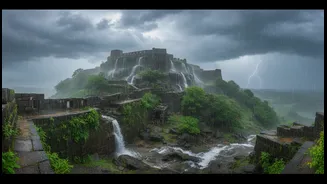
Rising 400 feet above the city of Jodhpur, Mehrangarh Fort is an imposing structure in any season. However, the monsoon adds a layer of dramatic beauty to its grandeur. The red sandstone walls seem to glow against dark, stormy skies, and the panoramic view of the 'Blue City' from the ramparts becomes even more captivating with freshly washed rooftops and clearer air. While Jodhpur receives less rainfall than other regions, the change is palpable. The arid landscape gets a hint of green, and the cooler temperatures make exploring the fort's vast courtyards and intricate palaces, like the Moti Mahal and Phool Mahal, a much more pleasant experience. The soft, diffused light of the overcast sky is a photographer's dream, highlighting the fort's rich textures and colours.
Neemrana, Rajasthan: A Palace in the Green Hills
Located on the Delhi-Jaipur highway, the Neemrana Fort-Palace is a stunning 15th-century heritage hotel built into the Aravalli Hills. During the monsoon, the dry hills surrounding the fort come alive with patches of green, offering a refreshing view from the palace's many terraces and balconies. The multiple levels of the fort, with their hanging gardens and two swimming pools, become even more inviting in the cooler, rain-washed weather. Exploring its secret passageways and historic courtyards feels like stepping back in time. While it's a popular weekend getaway year-round, the monsoon provides a unique atmosphere of romance and tranquility, away from the scorching heat of the plains.