







The Great Tomato Disappearance
Let’s be honest, 2023 was a tough year for the tomato. Prices soared to unprecedented levels, turning the humble tamatar into a luxury item. For a cuisine so deeply reliant on its tangy, umami-rich base for curries, sauces, and dips, this was a national
crisis played out in millions of kitchens. Suddenly, the base of countless dishes was off-limits for many. Social media was flooded with memes about tomatoes being the new gold, but beneath the humour was a real culinary challenge: how do you cook Indian food without one of its most fundamental ingredients? This moment of scarcity, however, didn't lead to despair. Instead, it sparked a wave of creativity and a return to forgotten basics, forcing a nationwide rethink of the daily menu.
An Old Hero Makes Its Return
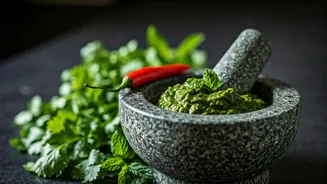
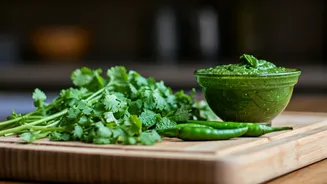
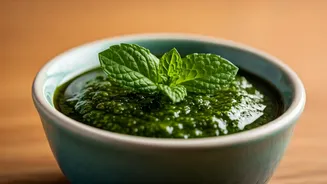
Enter the hero of our story: hari chutney. The classic, no-fuss blend of mint (pudina) and coriander (dhania). As tomato-based ketchup and chutneys became too expensive, households across India turned to this evergreen classic. It was a rediscovery of what we already knew. This wasn't a substitute; it was an upgrade in freshness and a reminder of a different kind of flavour profile. Its bright, zesty, and spicy kick provided the perfect counterpoint to rich and savoury foods. It was the splash of green that could liven up a dal-rice meal, the perfect partner for a samosa, and a vibrant spread for a simple sandwich. Its return wasn’t just about economics; it was a sensory reset, reminding us of the power of fresh herbs.
More Than Just a Condiment
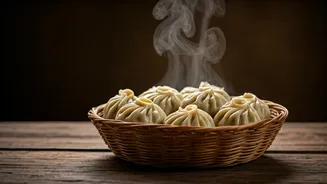
To call it just a 'chutney' or a 'dip' feels like an understatement. In its purest form, mint-coriander chutney is a culinary multi-tool. It's the lifeblood of street food, generously drizzled over chaat or served alongside steaming hot momos. It’s the secret ingredient in the iconic Bombay sandwich, its cool fire cutting through the layers of potato and cucumber. But its utility extends far beyond being a sidekick. Blend it with yogurt to create a refreshing raita or a marinade for paneer and chicken tikka. Stir a spoonful into plain rice to instantly elevate it. Thin it out with a bit of water and lemon juice to make a dressing for a kachumber salad. Its versatility is its strength, proving that a few simple, fresh ingredients can perform a dozen different roles in the kitchen.
The Art of the Perfect Green
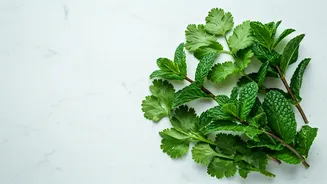
While the recipe is simple, achieving the perfect balance is an art form passed down through generations. The foundation is, of course, fresh coriander and mint leaves. The common wisdom is a 2:1 ratio of coriander to mint, as too much mint can lend a bitter, almost medicinal taste. To this base, you add the heat: green chillies, adjusted to your personal tolerance. A small piece of ginger adds a warm, pungent depth. The crucial element that brings it all together is the souring agent—typically a generous squeeze of lemon or lime juice, which not only provides the tang but also helps preserve that brilliant green colour. Salt is a must, but some families swear by a pinch of black salt (kala namak) for an extra savoury, sulphurous note. Blended with a tiny splash of cold water to get things moving, the result is a chutney that’s simultaneously cool, hot, tangy, and herbaceous.
Twists on a Timeless Classic
The beauty of this chutney lies in its adaptability. Every household has its own secret twist. For a thicker, more sandwich-friendly consistency, some add a roasted chana dal or a few peanuts to the blender. A small piece of raw onion can introduce a sharp, delightful pungency. In some coastal regions, a spoonful of freshly grated coconut is added for a subtle sweetness and creamy texture that pairs beautifully with seafood. For those who find the flavour too sharp, a tiny pinch of sugar can round out the edges and balance the acidity of the lemon. And to make it last longer, many swear by freezing it in ice cube trays—a perfect portion ready to be dropped into a curry or thawed for a quick snack.