
Choose Your Celestial Theatre
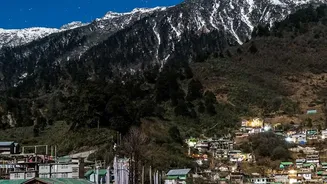
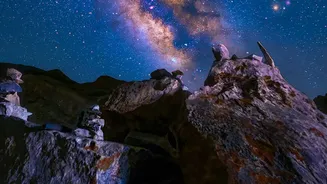
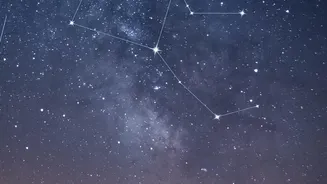
India’s diverse geography offers a spectacular choice of dark-sky locations. The key is to get as far away from city light pollution as possible. High-altitude deserts are prime spots, with Ladakh and Spiti Valley in the Himalayas offering some of the clearest
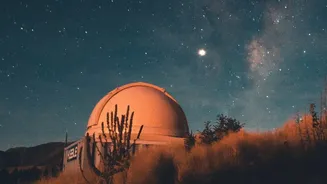
skies in the world. Hanle in Ladakh is home to India’s first designated Dark Sky Reserve, making it a top-tier destination for serious stargazers. Its high altitude and dry climate ensure exceptionally clear views. Other excellent choices include the vast, flat expanse of the Rann of Kutch in Gujarat, where the white salt desert can create a surreal feeling of being surrounded by stars. For those in the south, the coffee estates of Coorg in Karnataka and certain remote parts of the Western Ghats offer surprisingly dark skies, especially during winter months.
Time Your Trip with the Cosmos
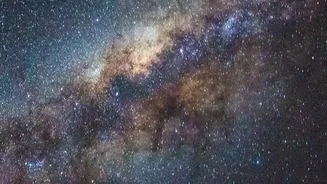
The best time for stargazing in India is highly dependent on your chosen location. For high-altitude Himalayan spots like Ladakh and Spiti, the ideal window is from May to September, when the roads are open and the weather is most accommodating. For most other parts of the country, including the Rann of Kutch and Coorg, the post-monsoon and winter months from October to March offer the clearest, most stable skies. Equally important is the lunar calendar. The single most critical factor for a successful stargazing trip is planning it around the new moon. A full moon is bright enough to wash out all but the brightest stars, rendering the Milky Way invisible. Aim for the five-day window around the new moon for the darkest possible conditions.
Pack the Right (and Simple) Gear
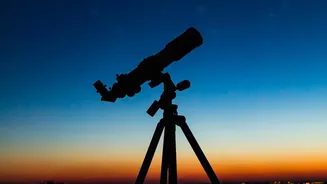
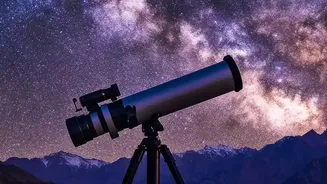
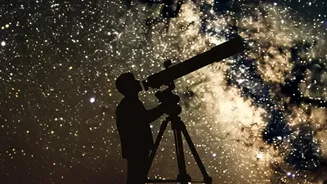
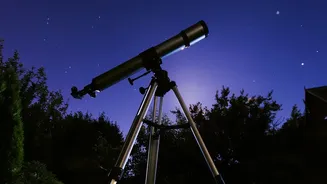
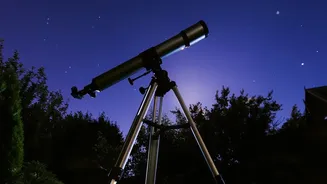
You don't need an expensive telescope to have a rewarding experience. For beginners, the most essential items are simple. Start with a pair of binoculars, which are perfect for scanning the Milky Way and spotting star clusters. Next, a red-light torch is non-negotiable. It allows you to see your surroundings without ruining your night vision, which can take up to 30 minutes to fully develop. White light from a standard torch or phone screen will instantly reset your eyes. No matter the location, even in a desert, nights get cold. Pack multiple warm layers of clothing. Finally, bring a comfortable mat or a reclining chair; you’ll be looking up for a long time.
Let Your Smartphone Be Your Guide
Your phone can be your most powerful stargazing accessory, provided you use it correctly. Numerous apps can help you identify constellations, planets, and even satellites in real-time. Apps like SkyView, Star Walk 2, and Stellarium Mobile allow you to simply point your phone at the sky to see what you're looking at. Many have a 'red light mode' to protect your night vision. For those interested in astrophotography, PhotoPills is an invaluable tool for planning shots, showing the position of the Milky Way, moon, and sun at any given time and location. Before you leave, download the apps and an offline map of your destination, as remote areas will likely have no network connectivity.
Prioritise Safety in Remote Locations
Remote travel in India requires extra precaution. Inform someone of your detailed itinerary and expected return date. Ensure your vehicle is in good condition and you have a full tank of fuel, a spare tyre, and a basic toolkit. Mobile connectivity will be sparse to non-existent, so a downloaded offline map is crucial. Carry a comprehensive first-aid kit, along with any personal medications. In high-altitude areas like Ladakh, acclimatise properly for a few days to avoid acute mountain sickness. When choosing your stargazing spot for the night, be aware of local wildlife and avoid setting up in isolated areas without guidance. It's often best to stay at a reputable local homestay or camp that can provide advice and a safe environment.