





The Problem with Refined Sugar
Refined white sugar, or sucrose, is the ubiquitous crystal in our kitchens. It’s highly processed from sugarcane or sugar beets, a method that strips away all of the plant’s original fibre, vitamins, and minerals. What’s left is pure, concentrated sweetness.
This is why it's often referred to as providing 'empty calories'—it offers energy in the form of calories but virtually no other nutritional value. When consumed, it causes a rapid spike in blood glucose levels, leading to a subsequent crash that can leave you feeling tired and craving more sugar. Over time, a diet high in refined sugars is linked to a host of health issues, including weight gain, inflammation, and an increased risk of chronic diseases.
Enter Wild Honey: Nature's Liquid Gold
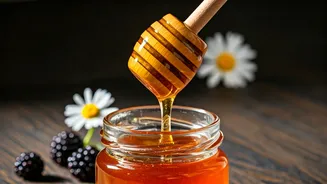
Wild, raw honey is a world away from processed sugar. It's a natural sweetener made by bees from the nectar of flowers. Unlike commercially processed honey, which is often filtered and pasteurised (heated), raw honey is left in its natural state. This means it retains beneficial compounds like enzymes, antioxidants, and pollen. While honey is still composed of simple sugars (mainly fructose and glucose), it typically has a slightly lower glycaemic index (GI) than table sugar, meaning it raises blood sugar levels more slowly. Its potent antioxidant properties, including flavonoids and phenolic acids, also help combat oxidative stress in the body. The key is to look for 'raw' or 'wild' honey, as this ensures you’re getting the full spectrum of its natural benefits.
The Power of Dates: Fibre-Packed Sweetness
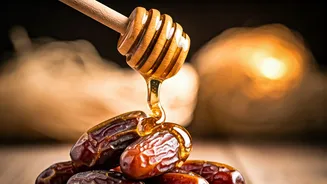
Dates are not just a sweetener; they are a whole food. When you eat a date, you’re getting more than just sugar. You’re also consuming a significant amount of dietary fibre, which is crucial for digestive health and plays a key role in slowing down sugar absorption. This prevents the dramatic blood sugar spikes associated with refined sugar. Furthermore, dates are a nutritional powerhouse packed with essential minerals like potassium (important for heart health and blood pressure control), magnesium, and copper. They also contain various vitamins and antioxidants. This combination of natural sugar, fibre, and micronutrients makes dates a far more complex and beneficial choice than empty-calorie sugar.
A Head-to-Head Comparison
So, how do they stack up? Refined sugar is pure sucrose with a high GI, offering nothing but sweetness. Wild honey has a lower GI and contains antioxidants and enzymes, but it is still a liquid sugar. Dates have a low-to-medium GI, and their real advantage is the package they come in: they are a whole fruit loaded with fibre, vitamins, and minerals. The fibre in dates makes them the most satiating of the three, helping you feel fuller for longer. For this reason, while all three should be used in moderation, dates offer the most 'nutritional bang for your buck' by providing sustained energy and valuable nutrients alongside their natural sweetness.
Making the Swap: Practical Tips
Integrating these natural sweeteners into your daily routine is easier than you think. Instead of sugar in your morning chai or coffee, try stirring in a small spoonful of wild honey after the drink has cooled slightly to preserve its enzymes. For breakfast, top your oatmeal or dahi with chopped dates instead of sugar or syrup. You can create a simple date paste (by soaking and blending dates) to use as a sweetener in kheer, ladoos, or baked goods like cakes and muffins. This not only adds sweetness but also moisture and a rich, caramel-like flavour. When making smoothies, a couple of dates can provide all the sweetness you need, along with a boost of fibre.
A Word of Caution: Moderation is Key
While honey and dates are nutritionally superior to refined sugar, it's crucial to remember that they are still sources of sugar and are high in calories. The body ultimately metabolises the sugars in honey and dates in a similar way to other sugars. Therefore, they are not a 'free pass' to indulge without limits. The goal is to make a smarter swap, not to simply increase your overall sugar intake. Think of them as an upgrade, not a health food to be consumed in large quantities. A mindful approach is essential. Use them to satisfy a sweet craving with an added nutritional benefit, but always prioritise portion control as part of a balanced diet.