








An Anxious Return to Class
After an extended summer break, schools across Uttar Pradesh are set to reopen on June 25. The vacation, originally scheduled to end earlier, was prolonged by the state government until June 24 due to a severe and persistent heatwave, a move made to prioritize
the safety and health of students. While teachers and non-teaching staff returned to their posts between June 22 and June 24 to finalize preparations for the new academic session, the reopening comes with a sense of caution. The decision, impacting all institutions under the Basic Education Council and recognized schools, reflects a new standardized academic calendar that aims to provide more uniformity and avoid repeated local holiday extensions during periods of extreme heat.
The Lingering Threat of Extreme Heat
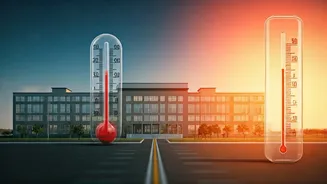
Although the peak of the heatwave has passed for some, its effects linger, posing a significant risk to children. The India Meteorological Department (IMD) has warned that heatwave conditions are likely to persist in parts of East Uttar Pradesh for several days even as schools reopen. Children are uniquely vulnerable to heat stress; they dehydrate faster, have a lower capacity to sweat, and are less likely to recognize the need to rest or rehydrate while playing. Exposure to extreme heat can lead to a range of illnesses, from dehydration and heat exhaustion to life-threatening heatstroke. Experts stress that high temperatures also impact concentration and learning ability, making the return to classrooms a health challenge as much as an academic one.
From Searing Heat to Soaking Rains
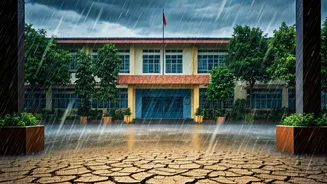
The other side of the weather coin is the approaching Southwest Monsoon. While it brings longed-for relief from the heat, it presents its own set of challenges for schools. The IMD has forecast the monsoon's advance into parts of Uttar Pradesh in late June. However, long-range forecasts suggest that UP might receive below-normal rainfall this season, though short-term heavy showers remain a possibility. For schools, this means preparing for potential waterlogging on premises, transportation disruptions for buses and students, and an increased risk of water-borne and vector-borne diseases. Ensuring clean drinking water, functional sanitation, and safe buildings free from leaks and flooding becomes paramount.
The Official Checklist for Safety
Recognizing these twin threats, authorities have issued directives for schools. Preparatory work assigned to teachers before students' return included ensuring cleanliness of the premises, kitchens, and toilets, arranging for pure drinking water, and checking overall infrastructure. Guidelines for extreme weather often include a checklist for schools: ensuring classrooms are well-ventilated, avoiding outdoor assemblies or sports during peak sun hours, having oral rehydration solutions (ORS) and first-aid kits readily available, and sensitizing teachers to recognize early signs of heat stress. Similarly, for the monsoon, schools are expected to have plans for drainage, ensure electrical safety, and conduct drills for emergency situations.
A Parent's Guide to Safe Schooling
While schools implement safety measures, parents play a crucial role in protecting their children. For heat, this means ensuring children are well-hydrated before they leave for school, packing a water bottle, and dressing them in light, cotton clothing. Parents should also educate children on the importance of drinking water throughout the day and reporting to a teacher if they feel unwell. As the monsoon arrives, equipping children with raincoats and waterproof footwear is essential. It is also wise to discuss transportation safety, such as what to do if the school bus is delayed by rain. Above all, parents should monitor their children for any signs of illness—be it heat-related exhaustion or a fever during the rainy season—and keep them home to recover if necessary.